

Moscow Issues a Sharp Diplomatic Rebuttal
Russia escalated its rhetoric in mid-January 2026 after the United States signaled potential military action against Iran. Officials in Moscow described the threats as unacceptable interference in the affairs of a sovereign nation, framing Washington’s posture as reckless and destabilizing.
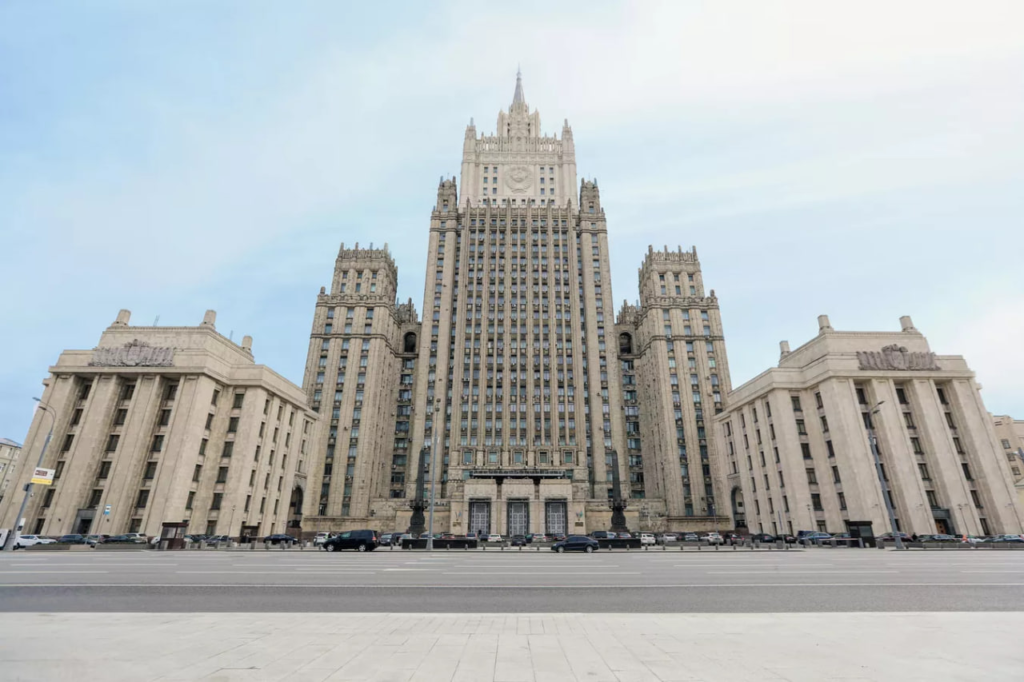
The Russian Foreign Ministry emphasized that coercive measures risk inflaming an already volatile region. The statement reflected growing frustration in Moscow over what it sees as an expanding pattern of U.S. unilateralism.
Strategic Alignment Between Russia and Iran
Russia’s defense of Iran is rooted in long-standing strategic cooperation. Over the past decade, Moscow and Tehran have deepened ties across defense, energy, and regional security, often positioning themselves as counterweights to Western influence.
By condemning U.S. threats, Russia reinforces its role as a diplomatic and strategic partner to Iran. This alignment also serves Moscow’s broader goal of challenging U.S. dominance in global security affairs.
Sovereignty and International Law Narratives
Russian officials framed their criticism around the principles of sovereignty and non-interference. They argued that threats of force undermine international law rather than uphold it, despite Washington’s claims of acting in the interest of global security.
This narrative aligns with Russia’s broader diplomatic messaging, which emphasizes a multipolar world order where no single power dictates outcomes. Moscow has increasingly used this framing to rally support among countries wary of Western intervention.
Recommended Article: Global Trade Enters a Fragmented Era as Tariffs Redefine Supply…
Implications for Middle East Stability
Russia warned that military escalation involving Iran could trigger wider regional instability. The Middle East remains sensitive to shocks, with conflicts in neighboring regions and fragile political balances already straining security.
Any confrontation involving Iran could disrupt global energy markets, threaten shipping routes, and draw in regional actors. Moscow positioned itself as a voice of caution, urging restraint to avoid cascading consequences.
U.S.–Russia Relations Under Strain
The episode adds another layer of tension to already strained relations between Russia and the United States. Diplomatic channels remain open, but trust has eroded following repeated clashes over security, sanctions, and geopolitical influence.
Public condemnations such as this reduce room for quiet negotiation. Analysts note that both sides increasingly communicate through public statements aimed as much at global audiences as at each other.
Domestic and Global Messaging by the Kremlin
Beyond foreign policy, Russia’s stance also serves domestic messaging. By opposing U.S. threats, the Kremlin reinforces its narrative of standing up to Western pressure and defending international balance.
Globally, the message is equally strategic. Moscow signals to partners and non-aligned states that it is willing to challenge U.S. actions and advocate alternative approaches to conflict resolution.
What This Signals for 2026 Geopolitics
Russia’s warning highlights a broader shift toward sharper geopolitical competition in 2026. As power blocs harden, diplomatic disputes are more openly framed as ideological and systemic clashes.
Whether this confrontation leads to escalation or renewed diplomacy remains uncertain. What is clear is that Russia intends to play an active role in shaping the response to U.S. actions, particularly in regions central to global energy and security.