Asia Becomes the Center of Bitcoin Market Activity
Bitcoin’s global trading structure is quietly but decisively changing in early 2026. While U.S. markets once dictated most major price movements, a growing share of Bitcoin liquidity is now concentrated during Asian trading hours. This shift is reshaping how and when volatility emerges across the crypto market.
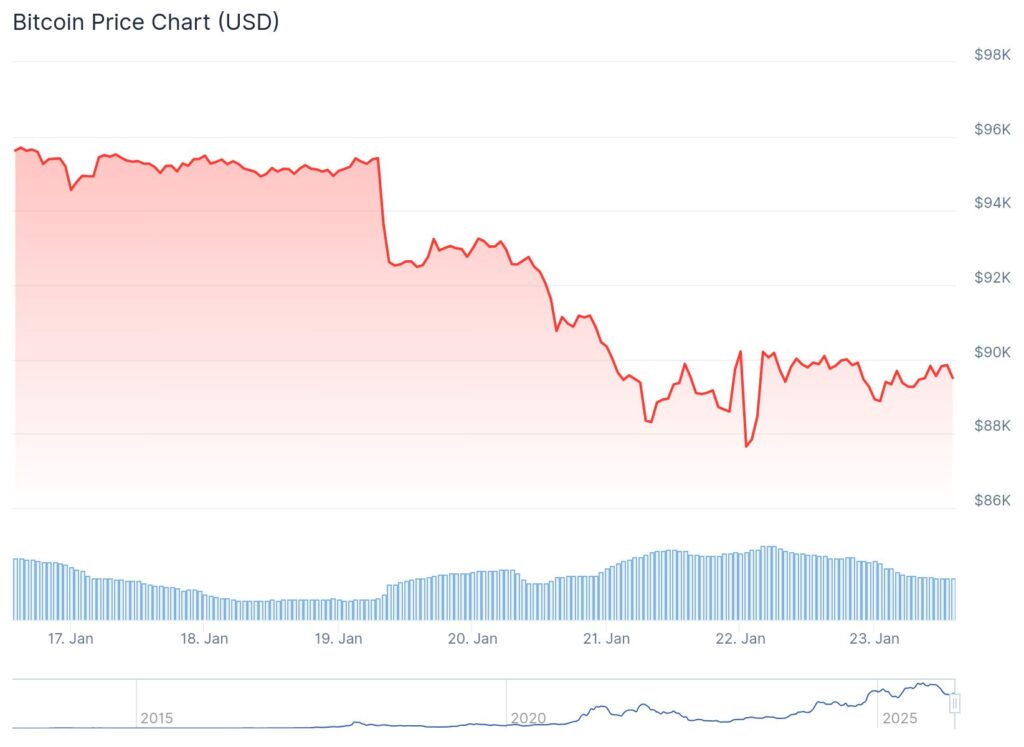
Data from major exchanges shows that price breakouts, liquidations, and trend reversals are increasingly occurring while U.S. traders are offline. Rather than reacting to Wall Street opens, Bitcoin is often setting direction overnight, driven by activity in East Asia.
Institutional Participation Expands Across the Region
The rise in Asian liquidity is closely tied to institutional participation. Asset managers, proprietary trading firms, and family offices across Singapore, Hong Kong, Japan, and South Korea have expanded their exposure to digital assets.
Regulatory clarity in several jurisdictions has lowered barriers for professional capital. Licensed custodians, regulated derivatives platforms, and clearer tax treatment have made Bitcoin easier to integrate into traditional portfolios. For many institutions, Bitcoin is no longer a speculative edge case but a macro-sensitive asset held alongside equities, currencies, and commodities.
Volatility Moves Outside U.S. Trading Hours
As liquidity deepens during Asian sessions, volatility patterns have shifted. Large price moves now frequently occur during what were previously low-activity windows for Western markets.
This transition forces global traders to rethink risk management. Stop-loss placement, leverage usage, and overnight exposure now carry greater importance. Funds that once reduced exposure outside U.S. hours increasingly maintain active positions around the clock.
Regional Macro Events Influence Bitcoin Pricing
Bitcoin’s decentralized nature ensures no single country controls its pricing. However, regional liquidity concentration amplifies the impact of local macro developments. Currency movements, interest rate expectations, and regulatory signals from Asian economies now exert greater influence on short-term price action.
Policy announcements from regional central banks or regulatory agencies can ripple through Bitcoin markets faster than comparable developments elsewhere. This dynamic reinforces Bitcoin’s evolution into a globally responsive macro asset rather than a market driven by a single financial center.
Recommended Article: Bitcoin Becomes a Treasury Asset for Mid-Sized Firms, Not Just…
Derivatives Markets Reflect the Shift
Futures and options activity further illustrates Asia’s growing influence. Open interest during Asian hours has risen steadily, particularly on perpetual contracts. Liquidations during overnight sessions increasingly set intraday trends for the following U.S. and European trading windows.
This structure mirrors mature global markets, where price discovery rotates geographically rather than clustering in one region.
Implications for U.S. ETF Flows
U.S.-listed Bitcoin ETFs remain an important source of long-term demand, but their influence on short-term pricing appears to be diminishing. ETF inflows now often follow price moves rather than initiate them.
Asian-driven volatility sets the tone, while ETF flows reinforce or dampen trends later in the trading cycle. This reversal challenges assumptions that U.S. capital automatically leads market direction.
A More Balanced Global Market Emerges
The redistribution of liquidity does not weaken Bitcoin. Instead, it strengthens market resilience by reducing dependency on any single geography. A more evenly distributed trading base lowers systemic risk and improves market depth.
For long-term investors, this shift underscores Bitcoin’s maturation. It is increasingly behaving like a global financial instrument rather than a regionally driven speculative asset.
What Comes Next for Bitcoin Liquidity
Traders and analysts are watching whether this trend accelerates through 2026. Further regulatory clarity, increased institutional adoption, and expanded derivatives access could deepen Asia’s role even more.
Bitcoin’s market structure is evolving into a truly continuous global system—one where price discovery never sleeps and leadership rotates with the sun.