

Innovation Enters a More Constrained Phase
By early 2026, the technology sector has entered a noticeably more constrained phase of innovation. After years of rapid expansion fueled by cheap capital and globalized supply chains, companies now face structural limits tied to energy availability, regulation, and geopolitical tension.
This shift does not signal stagnation, but rather a recalibration of priorities. Technology leaders increasingly emphasize resilience, efficiency, and risk management over speed, according to recent industry analysis.
Energy Demand Becomes a Binding Constraint
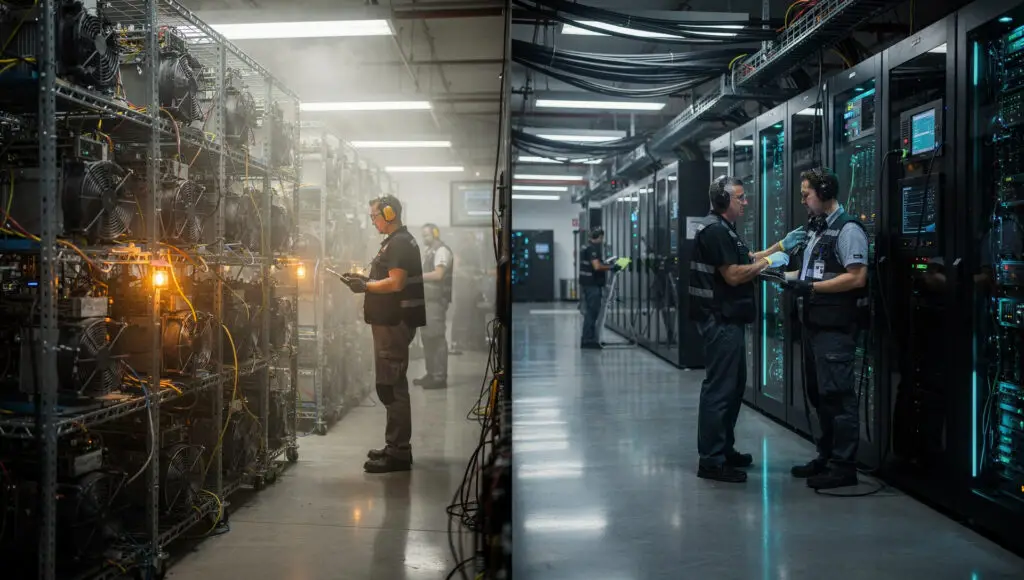
Energy availability has emerged as one of the most significant constraints on technology deployment. Data centers supporting cloud computing and artificial intelligence consume vast amounts of electricity, placing strain on power grids worldwide.
Utilities and regulators struggle to approve new capacity fast enough to meet demand. In some regions, energy shortages now influence where technology infrastructure can be built, a trend highlighted in infrastructure planning reports.
Semiconductors Remain Central to Strategic Competition
Semiconductors continue to underpin nearly every modern technology, from consumer electronics to defense systems. As a result, chip supply chains remain deeply politicized and strategically sensitive.
Governments invest heavily in domestic manufacturing to reduce reliance on foreign suppliers. These investments prioritize security and reliability over cost efficiency, according to a global manufacturing review.
Recommended Article: Technology Enters a New Phase as Innovation Meets Global Constraints
Cybersecurity Risks Escalate With Connectivity
As digital systems expand, cybersecurity threats have grown in scale and sophistication. Ransomware attacks, supply-chain vulnerabilities, and AI-enhanced intrusions increasingly affect critical infrastructure and public services.
Organizations now treat cybersecurity as an enterprise-wide risk rather than a technical issue. Board-level oversight has become common, reflecting the severity of potential disruptions, according to a cybersecurity governance brief.
Consumer Technology Reaches Market Maturity
Consumer technology markets in 2026 show clear signs of maturity. Smartphones, laptops, and wearable devices continue selling steadily, but innovation has shifted toward incremental improvements rather than disruptive leaps.
Manufacturers increasingly focus on services, subscriptions, and ecosystem integration to sustain revenue. This strategic pivot reflects changing consumer expectations, as documented in recent market data.
Emerging Technologies Advance Incrementally
Emerging fields such as quantum computing, advanced robotics, and next-generation networking continue progressing, though breakthroughs remain gradual. Researchers emphasize long development cycles and technical complexity.
Investors now adopt more patient capital strategies, supporting long-term research rather than immediate returns. This realism marks a maturation of technology funding, according to scientific innovation research.
Sustainability Shapes Technology Strategy
Environmental considerations now play a central role in technology planning. Energy efficiency, emissions reduction, and sustainable materials influence design and investment decisions.
Regulators, investors, and customers increasingly demand accountability. Sustainability has shifted from a reputational issue to a competitive requirement, according to environmental technology commentary.
Outlook for Technology in the Rest of 2026
Looking ahead, technology’s path in 2026 appears shaped by constraint as much as creativity. Innovation continues, but within tighter operational, regulatory, and physical boundaries.
Success increasingly depends on execution, coordination, and adaptability. Industry leaders argue those who adjust fastest will define the next phase of technological progress, a view echoed in sector-wide analysis.