

Extreme Weather Sends Shock Through Bitcoin’s Mining Network
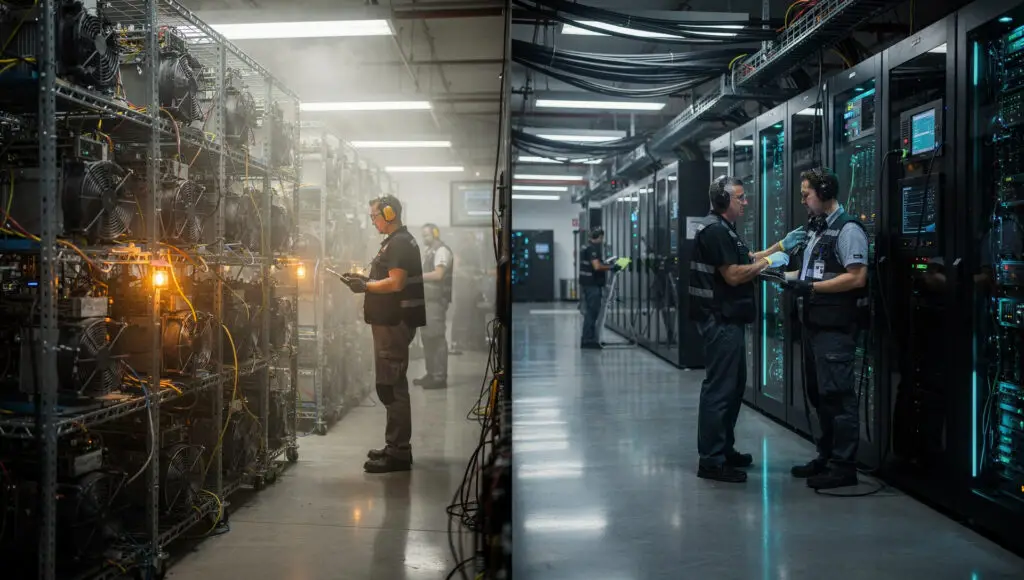
A severe winter storm sweeping across large parts of the United States has delivered a sharp and sudden blow to the Bitcoin mining sector. As temperatures plunged and electricity demand surged, miners across multiple regions were forced to scale back operations, leading to a dramatic decline in network processing power.
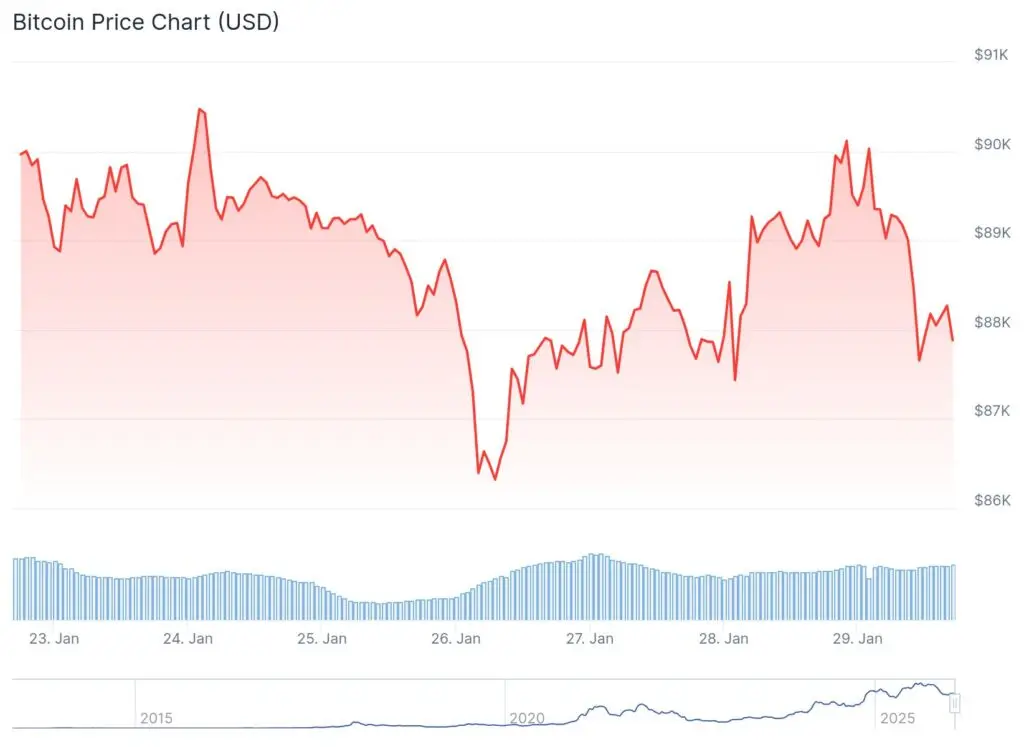
According to data from Bitinfocharts, Bitcoin’s hash rate fell by approximately 37% between January 23 and January 25. The drop underscores how closely mining activity remains tied to physical infrastructure and local energy conditions, a reality highlighted in recent network analysis.
Why Bitcoin Miners Shut Down During Power Stress
Bitcoin mining is energy-intensive, relying on uninterrupted electricity to operate high-performance processors. During extreme cold, residential and commercial heating demand spikes, straining power grids and forcing utilities to prioritize essential services.
To avoid exacerbating grid stress, many mining operators voluntarily shut down or reduced capacity. Industry experts note that these shutdowns are often pre-arranged with energy providers, allowing miners to act as flexible load participants, according to energy market reports.
Historic Weather Conditions Amplify the Impact
The scale of the storm amplified its effects on mining operations. Snowfall exceeded 30 centimeters in some regions, halting transportation and closing schools, while dangerous icing conditions affected millions of people across southern and northeastern states.
The US National Weather Service reported that more than 200 million people were impacted by hazardous winter conditions. These extreme circumstances placed unprecedented pressure on regional power systems, indirectly disrupting crypto mining infrastructure, as detailed in emergency response coverage.
Recommended Article: Bitcoin’s Store-of-Value Narrative Tested by Inflation and State Debt
Geographic Concentration Raises Systemic Risks
The US has become one of the world’s dominant hubs for Bitcoin mining following regulatory crackdowns in other regions. States such as Texas, New York, and parts of the Midwest host large concentrations of industrial-scale mining facilities.
While this concentration benefits regulatory clarity and capital access, it also increases exposure to localized weather events. Analysts warn that regional shocks can now ripple through the global network, a vulnerability discussed in infrastructure risk research.
Network Resilience Prevents Broader Disruption
Despite the steep hash rate decline, the Bitcoin network itself continued operating normally. Automatic difficulty adjustments and distributed node participation helped absorb the shock without interrupting block production.
This resilience reflects Bitcoin’s core design principles. Even when a significant portion of miners go offline, the system adapts to maintain consensus, a feature emphasized in technical protocol documentation.
Economic Consequences for Mining Firms
Temporary shutdowns carry financial consequences for miners. Lost production time reduces revenue, while restarting operations can incur additional costs related to equipment stress and maintenance.
However, some miners benefit from demand-response agreements that compensate them for curtailing energy use during grid emergencies. These arrangements can partially offset losses and even strengthen relationships with utilities, according to industry reports on energy integration.
Climate Risk Becomes a Strategic Consideration
The storm has renewed debate over climate risk in crypto mining. As extreme weather events become more frequent, miners must consider geographic diversification, energy sourcing, and infrastructure hardening.
Operators increasingly explore renewable energy, grid-scale storage, and mobile mining units to mitigate exposure. Climate resilience is emerging as a strategic priority rather than an environmental talking point, according to sustainability-focused analysis.
Policy and Regulatory Implications
Events like this winter storm also influence policy discussions around mining. Regulators and grid operators assess whether large-scale mining poses risks or offers flexibility during energy emergencies.
Supporters argue miners can stabilize grids through rapid load reduction, while critics warn of excessive strain during peak demand. These competing narratives shape ongoing regulatory debates, as outlined in energy policy coverage.
What the Hash Rate Drop Signals for Bitcoin in 2026
While dramatic, the hash rate decline appears temporary. As weather conditions normalize, miners are expected to gradually restore capacity, returning network power to prior levels.
However, the episode serves as a reminder that Bitcoin’s digital infrastructure remains grounded in physical reality. Energy reliability, climate resilience, and geographic diversity will play growing roles in shaping mining strategy throughout 2026, according to long-term network commentary.