Wartime Momentum Gives Way to Sluggish Growth
After several years of defying Western expectations, Russia’s economy is showing clear signs of stagnation. The surge driven by military spending following the invasion of Ukraine has begun to lose steam, revealing deeper structural weaknesses that had been masked by wartime demand.
Economic growth has slowed sharply as falling energy prices, labor shortages, and long-term demographic decline weigh on output. While Russia avoided the collapse once predicted by Western leaders, its ability to sustain rapid expansion now appears limited.
Falling Energy Revenues Erode Fiscal Cushion
Oil and gas revenues, long the backbone of Russia’s federal budget, have declined significantly. Lower global oil prices and tighter enforcement of sanctions have reduced export earnings, cutting into funds used to support both social spending and military operations.
Although Russia has redirected energy exports toward Asia, particularly China and India, these volumes have not fully compensated for the loss of European markets. As a result, the share of fossil fuel revenue in the federal budget has dropped sharply compared with prewar levels.
Military Spending Crowds Out Civilian Priorities
Russia’s defense spending has doubled as a share of GDP since the start of the war, absorbing resources that once supported healthcare, education, infrastructure, and welfare programs. Budget reallocations have reshaped the state around wartime priorities, leaving public services increasingly strained.
To close fiscal gaps, authorities have introduced higher corporate taxes, expanded income tax brackets, and raised value-added tax rates. These measures have placed additional pressure on households already grappling with persistent inflation and rising living costs.
Recommended Article: Elon Musk Faces Expanding European Scrutiny as Tech Regulation Tightens
Demographic Decline Intensifies Economic Pressure
Beyond sanctions and energy markets, Russia faces a mounting demographic challenge. Population decline driven by low birth rates, emigration, and wartime casualties has reduced the available workforce, contributing to acute labor shortages.
Unemployment remains unusually low, not because of economic strength, but due to a shrinking labor pool. This imbalance has pushed wages higher in some sectors while limiting productivity growth across the broader economy.
Inflation Controls Slow Growth Further
Efforts to rein in inflation have compounded economic stagnation. High interest rates, tightened lending conditions, and the withdrawal of subsidized mortgage programs have reduced consumer spending and investment.
While these measures have helped stabilize prices, they have also cooled economic activity at a time when growth is already fragile. Analysts warn that prolonged monetary tightening could deepen stagnation without addressing underlying structural issues.
Can Russia Sustain the War Financially?
Despite mounting pressures, Russia retains options to fund the war in the near term. Low sovereign debt levels allow for increased domestic borrowing, while additional tax hikes and asset sales remain politically feasible.
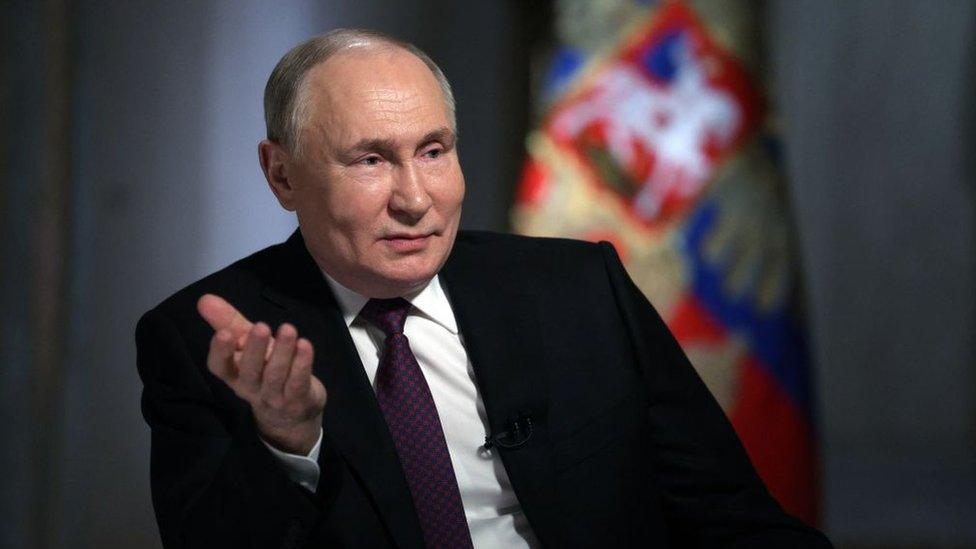
President Vladimir Putin has shown willingness to prioritize military objectives over economic comfort, suggesting the Kremlin can maintain current spending levels through at least the next two years. However, this strategy risks eroding long-term economic stability.
Economic Fatigue and Political Implications
Public optimism about the economy has begun to soften after years of wartime resilience. Polling indicates a growing share of Russians believe economic conditions are worsening, reflecting the gradual impact of higher taxes, inflation, and reduced public services.
While economic dissatisfaction has not yet translated into visible political opposition, the weakening war economy may influence Moscow’s willingness to engage in negotiations. Recent participation in renewed peace talks suggests economic constraints are becoming an increasingly important factor in strategic decision-making.