Russia’s Economic Slowdown Begins to Strain the War Economy

Russia’s Economic Slowdown Begins to Strain the War Economy

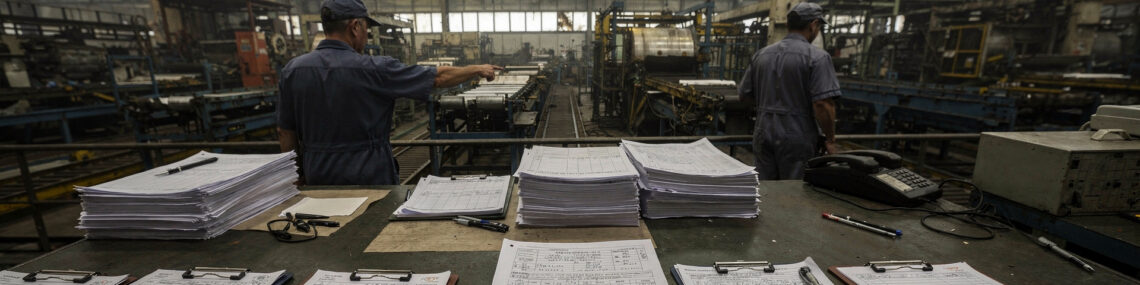
Wartime Momentum Gives Way to Sluggish Growth After several years of defying Western expectations, Russia’s economy is showing clear signs of stagnation. The surge driven by military spending following the invasion of Ukraine has begun to lose steam, revealing deeper structural weaknesses that had been masked by wartime demand. Economic growth has slowed sharply as…

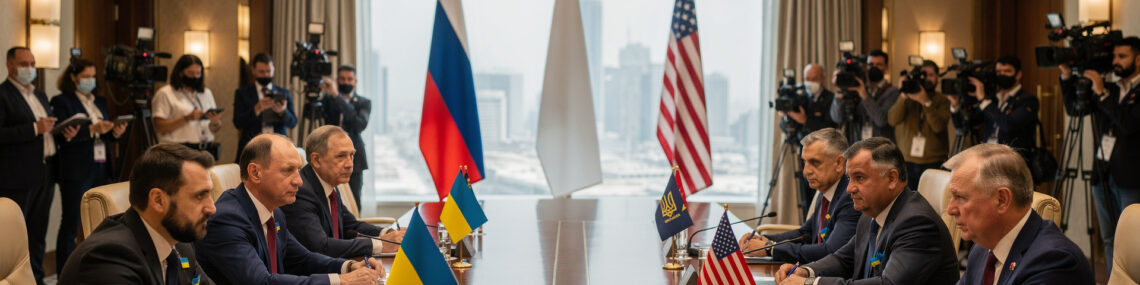
Russia Peace Talks Progress and Global Market Impact

Clara Whitmore, an award-winning investigative journalist with decades of experience covering conflict diplomacy and institutional accountability, evaluates developments like prisoner exchanges through an evidence-first, signal-versus-structure lens. Drawing on her reporting across multi-party negotiations, she argues that such exchanges often sustain diplomatic momentum without resolving the underlying geopolitical constraints that define conflict trajectories. What was actually…

Russia Locks In Wartime Economy as Temporary Controls Become Permanent Policy

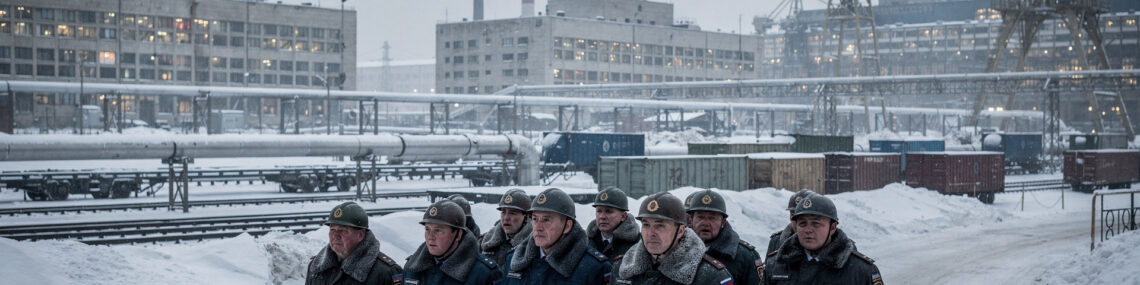
Wartime Measures Become the New Economic Baseline Russia entered 2026 no longer treating its war-driven economic controls as temporary. What began as emergency stabilization measures following the invasion of Ukraine have now hardened into long-term policy architecture. Budget frameworks, industrial output targets, and labor allocation are Russia’s economic model, signaling that the government expects prolonged…

Russia Institutionalizes Wartime Economy as Emergency Measures Become Permanent

Emergency Economic Controls Become Permanent Policy Russia’s economic model in 2026 no longer resembles a temporary response to conflict. What began as emergency controls following the invasion of Ukraine have hardened into a permanent governing framework. Fiscal policy, industrial planning, and labor allocation are now explicitly structured around sustaining a long-term war economy rather than…

Why Russia’s Economy Is Unlikely to Collapse Even If Oil Prices Fall

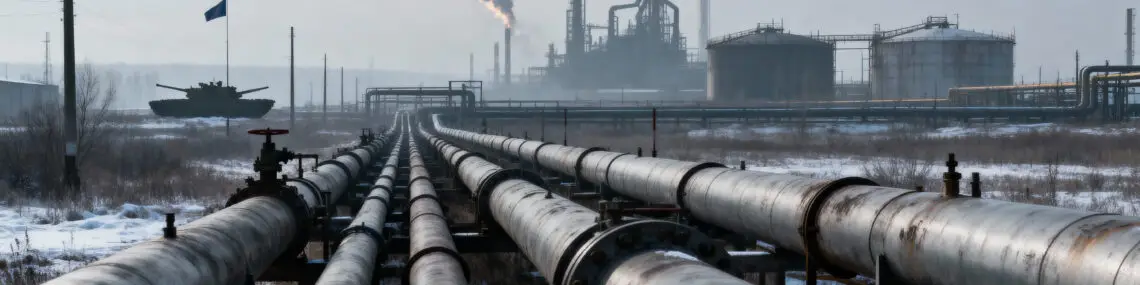
Oil Price Fears and Kremlin Calculations As global markets react to geopolitical shocks, oil prices remain a central concern for Moscow. Russia has relied on crude exports for decades, making any sustained drop in prices an immediate threat to state revenues. The prospect of expanded Venezuelan output has intensified these concerns, yet falling oil prices…

The End of the Illusion of Order in Global Politics

The Postwar Promise of International Law After the devastation of the Second World War, global leaders sought to prevent future catastrophe through shared legal frameworks. Institutions such as the United Nations were created to anchor diplomacy in law rather than force. International agreements aimed to limit warfare, protect sovereignty, and encourage peaceful conflict resolution. This…

Bitcoin Reclaims $90,000 as Rising Oil Prices and War Tensions Disrupt Global Markets

Bitcoin Surges Amid Renewed Global Uncertainty Bitcoin climbed back above $90,000 as investors reacted to renewed geopolitical instability. The move followed reports of fresh military strikes targeting critical infrastructure. Market sentiment shifted rapidly as hopes for a near-term peace agreement faded. Thin holiday liquidity magnified the price reaction across crypto markets. Traders rotated capital toward…