

Global Perception of the United States Turns Sharper
International surveys and diplomatic signals increasingly suggest that perceptions of the United States are hardening. Political volatility and confrontational rhetoric have altered how allies and rivals assess American intentions.
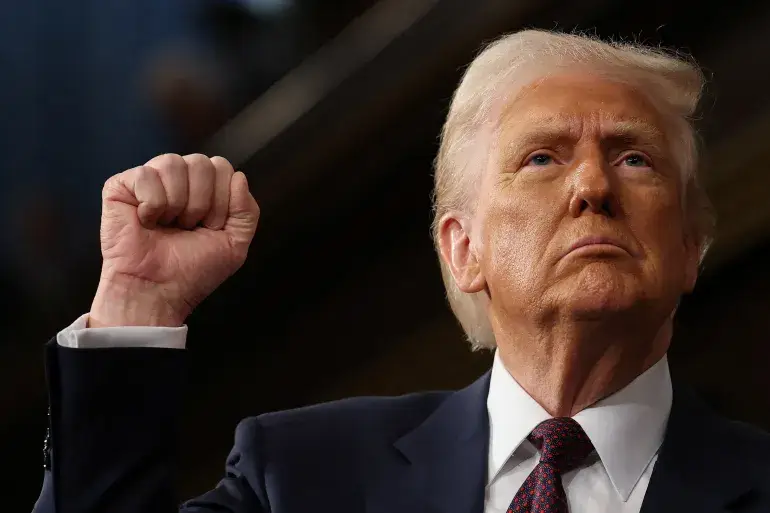
Under the renewed leadership of Donald Trump, global messaging has shifted toward economic nationalism and transactional diplomacy. This repositioning has unsettled long-standing partnerships across Europe and Asia.
Allies Reassess Strategic Dependence
Several traditional allies are quietly re-evaluating their reliance on U.S. security guarantees. Defense planners in Europe and parts of Asia are discussing contingency frameworks that assume reduced American engagement.
The recalibration reflects concern that abrupt policy pivots could undermine multilateral commitments. Even symbolic threats to trade agreements or military arrangements can trigger structural shifts in alliance thinking.
Trade Tensions Reinforce Strategic Anxiety
Escalating trade rhetoric has compounded geopolitical uncertainty. Tariff threats and economic pressure campaigns have fueled narratives portraying Washington as an unpredictable partner.
Markets tend to respond swiftly to such uncertainty, and cross-border investment flows often retreat amid diplomatic friction. Economic nationalism, while politically resonant domestically, can amplify reputational costs abroad.
Recommended Article: Trump Moves to Repeal Obama-Era Climate Finding, Sparking Legal Showdown
European Policy Circles React to Washington

Within the European Union, policymakers have accelerated conversations about strategic autonomy. Discussions increasingly focus on energy security, defense procurement, and industrial resilience.
Leaders such as Emmanuel Macron have publicly advocated for deeper integration to reduce exposure to geopolitical swings. The broader objective is not confrontation but insulation against volatility.
Asian Economies Navigate Strategic Balance
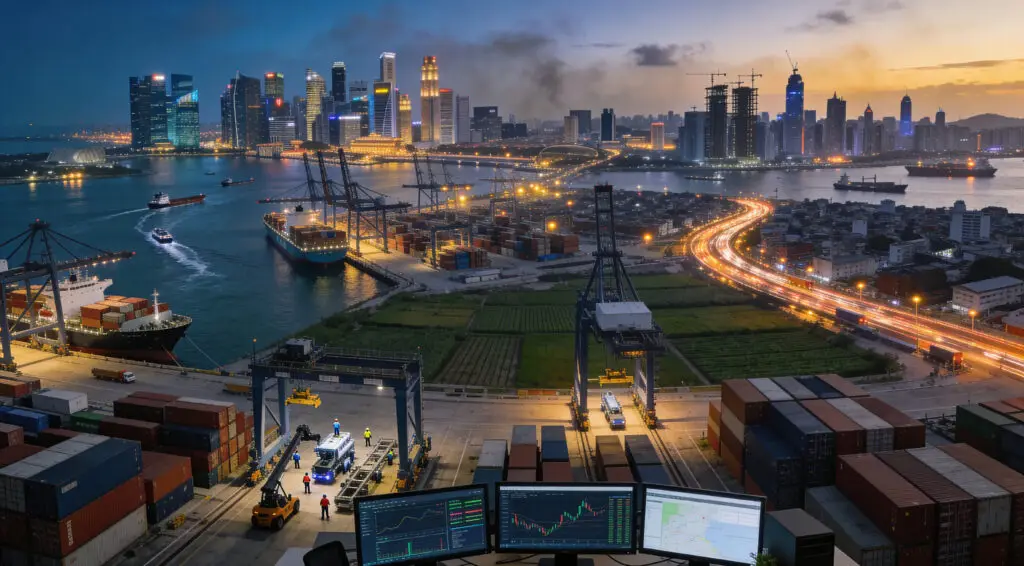
Across Asia-Pacific economies, governments are recalibrating diplomatic language and hedging policy positions. Nations deeply integrated into global supply chains face heightened sensitivity to superpower competition.
Regional blocs are also exploring trade diversification to mitigate concentration risks. The emphasis is on flexibility, ensuring that sudden geopolitical escalations do not destabilize economic planning.
Domestic Politics Shapes Foreign Policy Signals
Domestic political priorities often translate into assertive foreign policy narratives. Strong rhetoric may resonate with voters but can reverberate globally in unexpected ways.
Perception, in geopolitics, frequently matters as much as policy substance. When rhetoric implies disengagement or unilateral action, partners respond by accelerating contingency planning.
Long-Term Implications for Global Order
If perceptions of the United States as a destabilizing force persist, the long-term architecture of global cooperation could gradually fragment. Strategic hedging becomes more common when predictability declines.
However, global alliances are rarely dismantled overnight. Much will depend on whether policy rhetoric converts into sustained structural change or remains episodic political theater.