


Bitcoin Surges Following Inflation Surprise
Bitcoin pushed back above the $70,000 threshold after a turbulent start to the month, supported by economic data that suggested inflation may be easing faster than anticipated. The recovery marked a psychological victory for investors who had watched the asset slide dangerously close to the $60,000 zone during the recent downturn.
The rebound followed the latest Consumer Price Index release, which showed inflation rising slightly less than economists expected. Even a modest deviation from forecasts can shift market expectations dramatically, particularly when traders are searching for confirmation that monetary conditions could soon become more favorable.
Federal Reserve Rate Expectations Shift
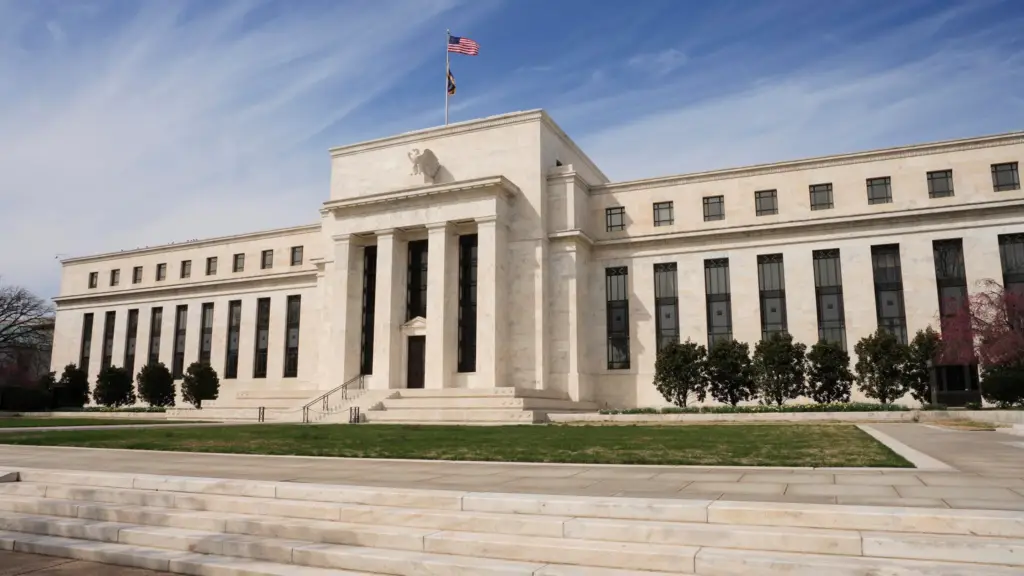
Cooling inflation has strengthened the narrative that the Federal Reserve could begin cutting interest rates sooner than previously projected. Lower borrowing costs typically benefit higher-risk assets because they encourage capital to flow away from defensive instruments and into growth-oriented markets.
Prediction platforms such as Kalshi and Polymarket reflected the shift almost immediately, with traders increasing the probability of a near-term rate cut. These markets often serve as real-time sentiment gauges, capturing how quickly expectations evolve after major economic releases.
Market Capitalization Climbs Above $1.4 Trillion
Bitcoin’s recovery helped push its global market capitalization back above $1.4 trillion, reinforcing its status as one of the world’s most significant financial assets. Maintaining that scale is critical because size often attracts institutional participation and enhances liquidity.
Large market caps can also reduce volatility over time by broadening the investor base. When diverse participants—from hedge funds to pension managers—enter the ecosystem, price discovery tends to become more efficient.
Recommended Article: Bitcoin Could Slide to $50K Before Rebound, Crypto Bull Warns
Crypto Equities Rally Alongside Bitcoin
The rebound extended beyond digital tokens into publicly traded crypto-linked firms. Shares of Coinbase surged sharply as investors rotated back into companies perceived as direct beneficiaries of renewed trading activity.
Meanwhile, MicroStrategy—now widely recognized for its aggressive Bitcoin treasury strategy—also recorded strong gains. The company recently disclosed another sizable BTC purchase, underscoring its conviction despite enduring mark-to-market losses during the downturn.
Treasury Strategies Highlight Balance-Sheet Risk
Corporate Bitcoin accumulation can amplify both upside potential and financial vulnerability. When prices rise, treasury-heavy firms benefit from asset appreciation; when markets fall, unrealized losses can weigh heavily on earnings reports.
This dynamic has sparked ongoing debate about whether holding large crypto reserves represents visionary strategy or excessive exposure. Either way, such companies have become important barometers for institutional confidence.
Recent Sell-Off Still Casts a Shadow
Despite the rally, memories of the recent drawdown remain fresh. Bitcoin fell sharply from its prior peak above $120,000, shedding billions in value as investor sentiment deteriorated amid tightening financial conditions.
Rapid corrections often serve as stress tests for emerging asset classes. They reveal how markets behave when speculative momentum fades and participants must decide whether to hold through volatility or exit positions.
Research Firms Point to Possible Local Bottom
Analytics firm K33 Research suggested that the drop toward $60,000 may have represented a “local bottom,” citing signs of capitulation across derivatives activity, funding rates, and exchange flows. Such conditions frequently appear near turning points when weaker hands transfer assets to longer-term holders.
However, identifying a bottom in real time is notoriously difficult. Markets often require multiple tests of support before a durable trend reversal becomes evident.
Fear Indicator Signals Lingering Anxiety
Even with prices rebounding, the Crypto Fear & Greed Index remains entrenched in “extreme fear” territory—a level historically associated with major market stress events. Persistent caution indicates that many investors are not yet convinced the worst has passed.
Contrarian traders sometimes view extreme fear as a buying opportunity, reasoning that pessimism can become overextended. Still, sentiment indicators alone rarely dictate market direction without supportive macro conditions.
Liquidity Trends Could Define the Next Phase
Bitcoin’s trajectory increasingly hinges on global liquidity cycles. When central banks signal easing, speculative markets tend to rally; when policy tightens, risk appetite typically contracts.
Investors are therefore watching economic releases with heightened sensitivity. Each data point has the potential to reshape expectations about the availability of capital.
Outlook Suggests Recovery With Volatility Ahead
While reclaiming $70,000 is a notable milestone, analysts caution that volatility is likely to remain a defining feature of the crypto landscape. Markets transitioning from correction to recovery often experience sharp swings as participants reposition portfolios.
Ultimately, Bitcoin’s resilience reflects a maturing asset navigating the same macro crosscurrents as traditional markets. Whether this rebound evolves into a sustained rally may depend largely on inflation trends, monetary policy decisions, and the willingness of institutional investors to reengage with risk.