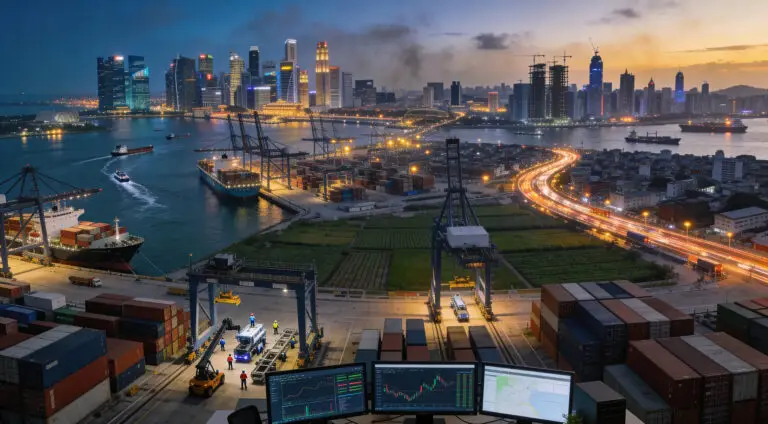
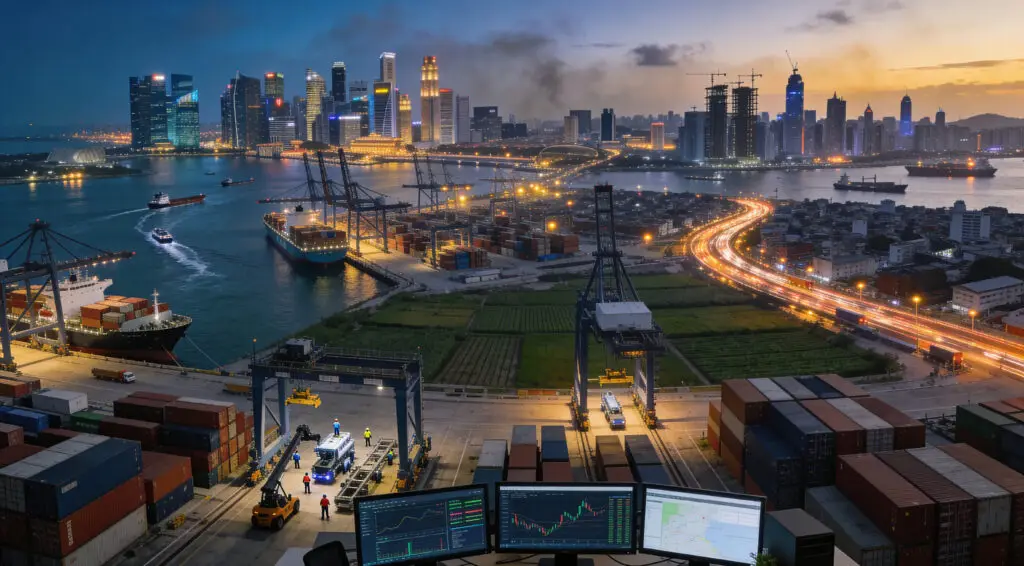
The Strait of Hormuz is the main economic fault line
The fastest way this conflict hits the world economy is through energy logistics. Shipping through the Strait of Hormuz has slowed sharply amid attacks and threats, and analysts warn that disruptions can quickly transmit into prices everywhere.
Al Jazeera reports the strait carries about one-fifth of the oil consumed globally and significant gas flows, making it a chokepoint markets treat like a global “circuit breaker.” Even partial paralysis forces rerouting, delays, and higher freight and insurance costs.
Oil and gas price spikes can re-ignite inflation
Oil prices already jumped above roughly $79 per barrel after trading around the low $70s days earlier, reflecting a market repricing of supply risk. That alone can raise transport, food distribution, and manufacturing costs.
If higher energy prices persist, inflation expectations can lift again—especially in import-dependent regions. Central banks then face a harder tradeoff: protect growth with cuts, or restrain inflation with tighter policy for longer.
Supply chains take a direct hit through shipping and insurance
Beyond oil, the conflict is pushing up war-risk premiums and complicating delivery schedules. Al Jazeera cites a major drop in traffic and a “huge spike” in freight costs for routes out of the Gulf region.
Rerouting ships (including around longer paths such as the Cape of Good Hope) extends lead times and adds costs. For businesses, that means higher working capital needs, more inventory buffering, and a greater chance of shortages in time-sensitive inputs.
Recommended Article: Republican Leaders Rally Behind Trump After Iran Strikes
Asia and Europe feel the squeeze first
The bulk of crude flowing through Hormuz goes to Asia—Al Jazeera cites U.S. EIA figures showing China, India, Japan, and South Korea take nearly 70% of shipments. So the first-order growth shock lands where energy import bills surge the most.
Europe also has specific vulnerabilities: Al Jazeera notes that around 30% of Europe’s jet fuel supply originates from or transits via the strait. Aviation costs can jump quickly, feeding into travel prices and cargo rates.
The U.S. is less dependent, but not insulated
Even as U.S. production reduces direct reliance on Middle Eastern crude, global pricing still matters. A sustained rise in Brent benchmarks typically filters into U.S. gasoline and diesel with a lag, while higher shipping and insurance costs ripple through import prices.
There can be “winners” inside the U.S., too: Al Jazeera highlights that as a net energy producer, higher prices can benefit U.S. oil producers even while consumer-facing sectors get squeezed.
Financial markets reprice risk—and that can tighten conditions
Geopolitical shocks often trigger a “risk-off” rotation: equities wobble, safe havens strengthen, and credit spreads can widen. If banks and investors demand higher compensation for risk, borrowing gets more expensive and growth slows.
That tightening can become self-reinforcing if businesses delay hiring and investment while households face higher energy and transport costs. In short: even without physical shortages, uncertainty can reduce activity.
Crypto and other risk assets become a real-time stress gauge
Because crypto trades 24/7, it often becomes the first venue where investors de-risk on weekend headlines—then traditional markets “catch up” when they reopen. That doesn’t mean crypto causes the macro move, but it can signal how quickly sentiment is deteriorating.
At the same time, the corporate “Bitcoin treasury” trade is already under pressure in this downturn cycle. DL News describes shareholder revolts, treasury sales, collapsing premiums/discounts to NAV, and capital concentrating into the largest names as the broader strategy unwinds.