Oil Prices Surge as Geopolitical Tensions Intensify
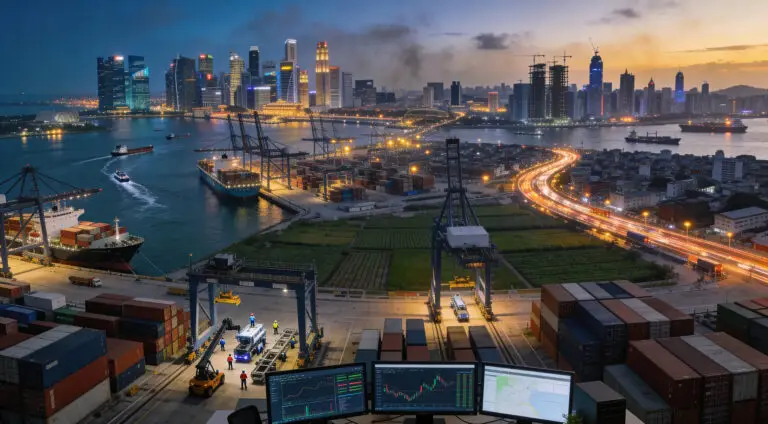
Global oil prices have climbed sharply as geopolitical tensions raise concerns about potential disruptions to energy supply routes. Traders are closely watching developments in the Middle East that could affect crude shipments.
Energy markets are highly sensitive to political instability, especially near key transit points such as the Strait of Hormuz. Even the possibility of supply interruptions can quickly drive oil prices higher.

Energy Costs Act as Hidden Tax on Consumers
Economists often describe rising energy prices as a hidden tax on households because they reduce disposable income. When gasoline and heating costs increase, families have less money available for other spending.
This shift in spending patterns can slow economic growth across multiple sectors. Consumer-driven economies like the United States are particularly vulnerable to these changes.
Household Finances Already Under Pressure
According to economists at Renaissance Macro, many American households currently have limited financial cushions. Real income growth has remained relatively modest over the past year.
As a result, even moderate increases in gasoline prices can significantly affect household budgets. Higher transportation and energy costs quickly translate into reduced purchasing power.
Federal Reserve Faces New Inflation Challenge
Rising oil prices also create complications for the Federal Reserve as it manages inflation and interest rate policy. Higher energy costs often push overall inflation upward across the economy.
If inflation begins accelerating again, the central bank may need to delay potential interest-rate cuts. Such decisions can influence borrowing costs, investment activity, and overall financial conditions.
Energy Prices Ripple Across the Entire Economy
The impact of rising oil prices extends far beyond the energy sector itself. Transportation companies, airlines, and manufacturers all face higher operational expenses when fuel costs increase.
These rising costs often pass through supply chains and eventually appear in consumer prices. Businesses frequently adjust pricing strategies to maintain profitability during energy shocks.
Oil Market Volatility Influences Global Financial Markets
Oil price volatility can quickly spread across global financial markets. Sharp price increases often trigger reactions in equities, currencies, and commodities simultaneously.
Institutions such as the International Energy Agency and OPEC closely monitor these movements. Their assessments frequently shape investor expectations about future energy supply and demand.
Investors Watch Key Oil Price Thresholds
Market analysts are closely monitoring crude oil prices as they approach critical levels. Some economists warn that prices near $95 per barrel could significantly strain consumer spending.
If energy costs remain elevated for an extended period, the economic effects could become more widespread. Policymakers, investors, and businesses are therefore watching oil markets with increasing concern.