Marcus V. Thorne, CFA, a veteran investment analyst with over 15 years in macro risk and portfolio strategy, evaluates trade policy through its impact on supply chains, inflation, and corporate earnings visibility. Drawing from experience across multiple geopolitical cycles, he views the current wave of U.S. trade investigations as a structural shift toward enforcement-driven policy that directly affects global production networks and cost structures.
What is the US actually investigating and why now?
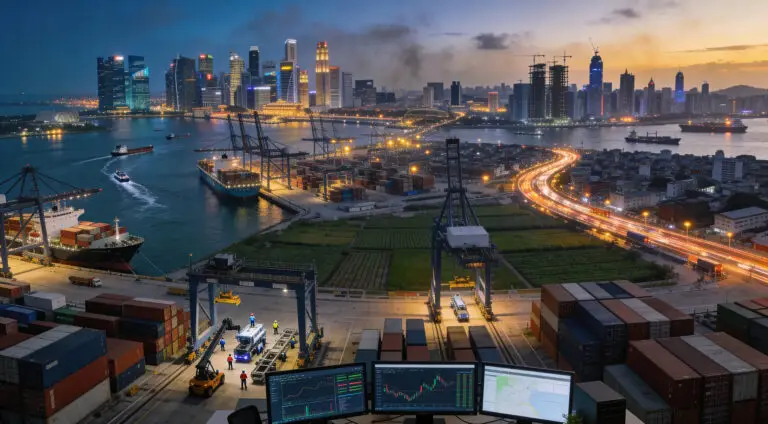
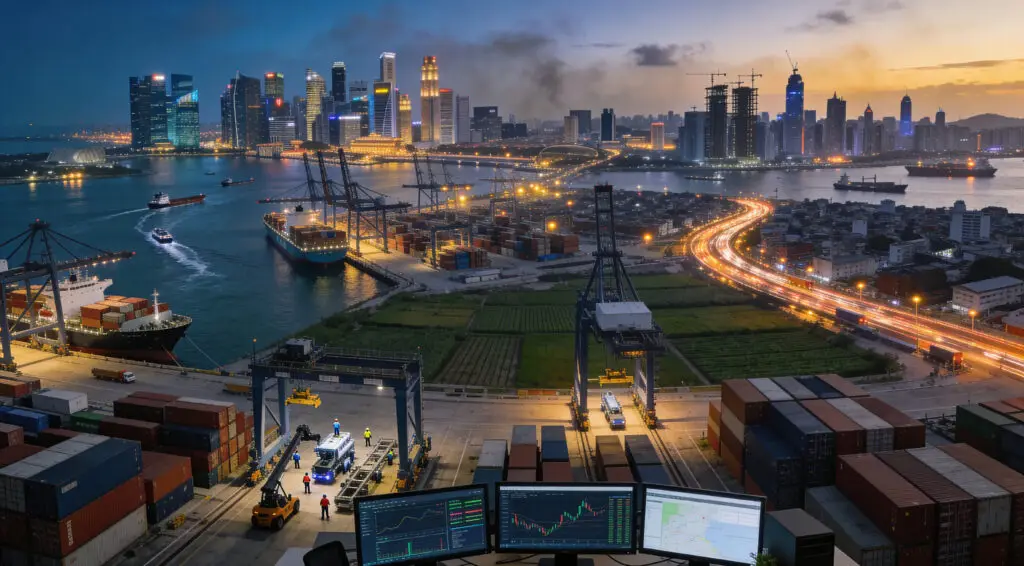
As of early 2026, the United States has initiated a series of trade investigations targeting supply chains linked to alleged forced labor practices and industrial overcapacity in key manufacturing sectors.
Under Section 301 of the Trade Act of 1974, the U.S. government has the authority to impose tariffs or other trade measures in response to practices deemed unfair or distortive. According to recent statements from the Office of the United States Trade Representative, these investigations are part of a broader effort to address structural imbalances and enforce compliance within global trade systems.
In our analysis, this reflects continuity rather than change: U.S. trade policy is increasingly centered on enforcement, resilience, and strategic supply chain control.
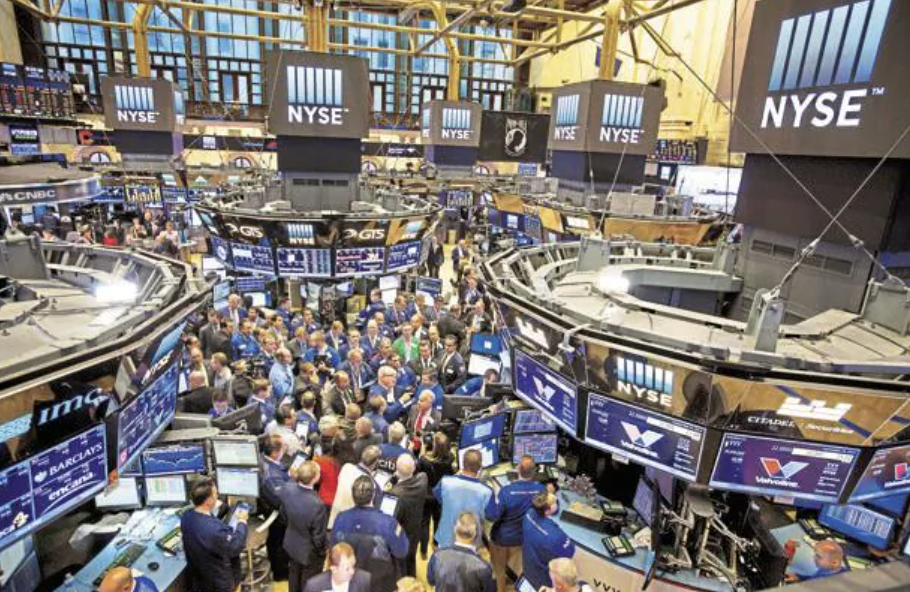
Image source: Mint
Why are Southeast Asian economies under scrutiny?
Seven Southeast Asian economies are included in the current investigations, reflecting their central role in global manufacturing and export networks.
These include Indonesia, Malaysia, the Philippines, Singapore, Thailand, Vietnam, and Cambodia.
When evaluating supply chain dynamics, we observed that these countries collectively account for a significant share of global exports in electronics, textiles, and intermediate goods. In several sectors, Southeast Asia has become a primary alternative to China-centric manufacturing, increasing its exposure to regulatory scrutiny.
According to the Office of the United States Trade Representative, the investigations focus on whether labor practices or state-supported production advantages create conditions that distort fair competition.
How do forced labor concerns translate into economic risk?
The core issue is cost distortion, which directly affects pricing and competitiveness.
In our evaluation:
- Alleged forced labor can reduce production costs below market-based levels
- Lower costs allow exporters to undercut competitors in global markets
- This creates pricing pressure on U.S. domestic industries and compliant producers
According to U.S. trade enforcement arguments, such distortions justify intervention through tariffs or restrictions. If violations are confirmed, potential outcomes include:
- Targeted tariffs, often historically ranging between 10% and 25% under Section 301 actions
- Import restrictions on affected goods
- Compliance and certification requirements for exporters
These measures would directly influence trade flows, sourcing decisions, and corporate cost structures.
What does this mean for inflation and supply chains?
The key question is whether enforcement measures will translate into higher costs across the economy.
In our analysis:
- Tariffs increase import costs, particularly for intermediate goods used in manufacturing
- Companies may pass these costs through to consumers, contributing to inflation
- Supply chain disruptions can amplify pricing pressure if alternative sourcing is limited
According to the Federal Reserve, trade-related cost shocks can influence inflation persistence, particularly when supply-side constraints are already present.
This creates a clear trade-off:
- Protection of domestic industries
- Increased price pressure across consumers and businesses
What is the role of industrial overcapacity in these probes?
Beyond labor concerns, the investigations target structural imbalances in global production.
We observed that overcapacity especially in manufacturing sectors can lead to:
- Excess supply entering global markets
- Downward pressure on international prices
- Competitive strain on producers operating under market-based conditions
According to trade enforcement perspectives, state-supported production can artificially suppress prices, extending the scope of investigations beyond labor practices to broader industrial policy concerns.
How are legal constraints shaping US trade strategy?
Recent legal developments are influencing how tariffs are applied.
According to rulings from the Supreme Court of the United States, limitations on the use of emergency economic powers have increased reliance on established legal frameworks such as Section 301.
In our analysis, this represents a shift toward more legally durable enforcement mechanisms, reducing the risk of judicial challenges while maintaining policy flexibility.
What are the broader risks for global trade and alliances?
The investigations introduce uncertainty across global supply chains and geopolitical relationships.
We observed that key risks include:
- Disruption of established sourcing networks
- Delays or complications in trade negotiations
- Increased geopolitical tension between trading partners
- Strategic diversification away from U.S.-linked supply chains
In response, some countries may accelerate regional trade agreements or diversify export markets to reduce dependency on U.S. demand, contributing to fragmentation in global trade flows.
At the same time, some economists argue that enforcement actions, while addressing fairness concerns, may reduce efficiency and increase costs across global production systems, highlighting the trade-off between resilience and economic optimization.
Market Transmission Channels
| Factor | Immediate Impact | Medium-Term Risk |
|---|---|---|
| Trade Investigations | Policy uncertainty | Prolonged disputes |
| Tariff Risk | Higher import costs | Inflation pressure |
| Supply Chains | Disruption in sourcing | Structural realignment |
| Southeast Asia Exposure | Export uncertainty | Slower regional growth |
| Legal Constraints | Policy adjustment | Reduced flexibility |
Is this a structural shift in US trade policy?
This is not a temporary development it reflects a long-term enforcement posture.
In our evaluation, the expansion of Section 301 investigations indicates that the United States is prioritizing supply chain security and competitive fairness over traditional free trade expansion. According to current policy direction, enforcement tools are likely to remain central in managing global economic competition.
For markets:
- Expect higher volatility in trade-sensitive sectors
- Monitor tariff announcements and compliance rulings
- Watch for inflation spillovers linked to rising input costs
The key takeaway is that trade policy is increasingly strategic rather than purely economic, and markets are beginning to price in the long-term implications of that shift.