Israel Emerges As Central Player In Rising Conflict
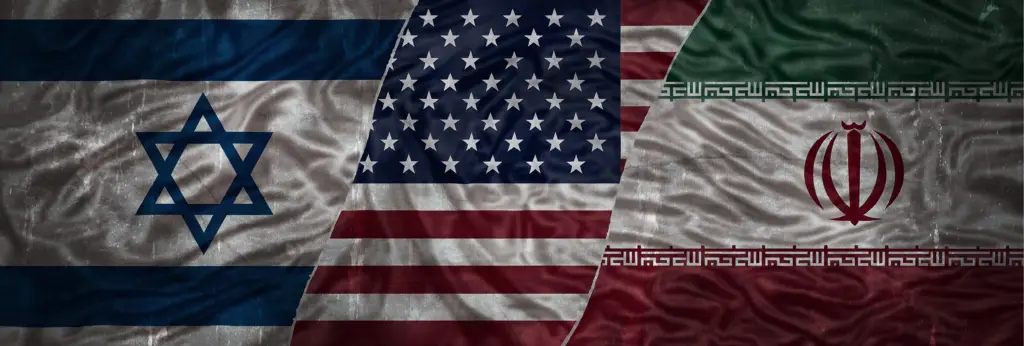
Israel has taken a central role in the escalating conflict involving the United States and Iran. Its actions have significantly influenced the direction of recent developments.
Although the conflict appears primarily between Washington and Tehran, Israel’s involvement is substantial. Analysts consider it both an instigator and active participant.
This evolving role has shifted regional dynamics considerably. It has also increased the complexity of the ongoing confrontation.
US Policy Shift Toward Iran Reflects Strategic Changes
The United States has recently adopted a more aggressive stance toward Iran. This shift marks a departure from earlier efforts to avoid direct confrontation.
Several factors contributed to this policy change, including geopolitical calculations and domestic political considerations. The evolving security environment also played a role.
Israel’s influence is widely seen as a key factor in shaping this approach. Its strategic interests align with increased pressure on Iran.
Historical Tensions Shape Current Geopolitical Landscape
Relations between the United States and Iran have been strained since the late twentieth century. The 1979 revolution marked a turning point in bilateral relations.
Since then, sanctions, military tensions, and diplomatic disputes have defined interactions. These long-standing issues continue to influence current events.
Understanding this historical context is essential for analyzing today’s conflict. It provides insight into motivations and strategic decisions.
Proxy Conflicts Gave Way To Direct Confrontation
For years, tensions between the parties were managed through proxy conflicts. These indirect engagements limited direct military confrontation.
However, recent developments have shifted toward direct exchanges. This change has increased the risk of broader escalation.
The transition reflects evolving strategies and changing regional power dynamics. It signals a more dangerous phase in the conflict.
Military Actions Reshape Regional Power Balance
Recent military operations have significantly altered the balance of power in the region. Key infrastructure and strategic positions have been targeted.
These actions have weakened certain capabilities while strengthening others. The result is a more volatile security environment.
Both sides continue to assess their strategic advantages. This ongoing evaluation influences future decisions.
Israel Prepared For Conflict Through Strategic Measures
Israel undertook extensive preparations in anticipation of potential conflict. These included strengthening defense systems and securing critical infrastructure.
Military readiness was enhanced through deployment of advanced technologies and resources. Civil defense measures were also reinforced.
These preparations reflect expectations of sustained hostilities. They also indicate confidence in defensive capabilities.
Prolonged Conflict Likely As Strategic Goals Diverge
The conflict is expected to continue due to differing strategic objectives. Both sides aim to achieve outcomes that may be incompatible.
Iran seeks to maintain its regional influence and sovereignty. Meanwhile, the United States and Israel pursue security and deterrence goals.
This divergence makes resolution challenging. As a result, the conflict may evolve into a prolonged and complex struggle.