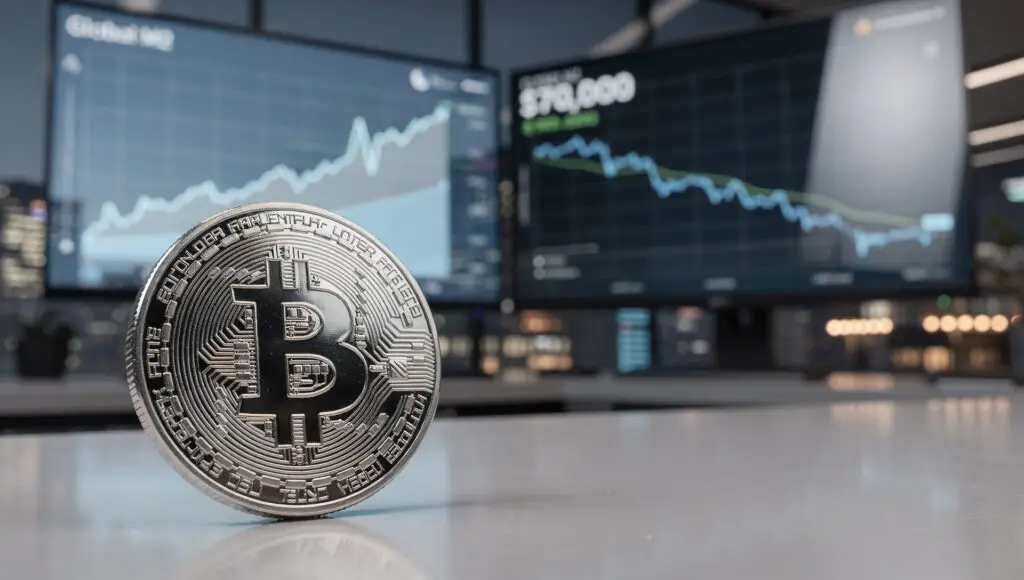


Iran Conflict Triggers Global Inflation Concerns
The ongoing Iran conflict is raising serious concerns about rising global inflation. Energy prices have surged sharply following disruptions in supply chains.
Economists warn that prolonged instability could push consumer prices higher worldwide. This would affect both developed and emerging economies.
The situation threatens to undermine recent progress in stabilizing inflation. Policymakers are closely monitoring developments as risks increase.
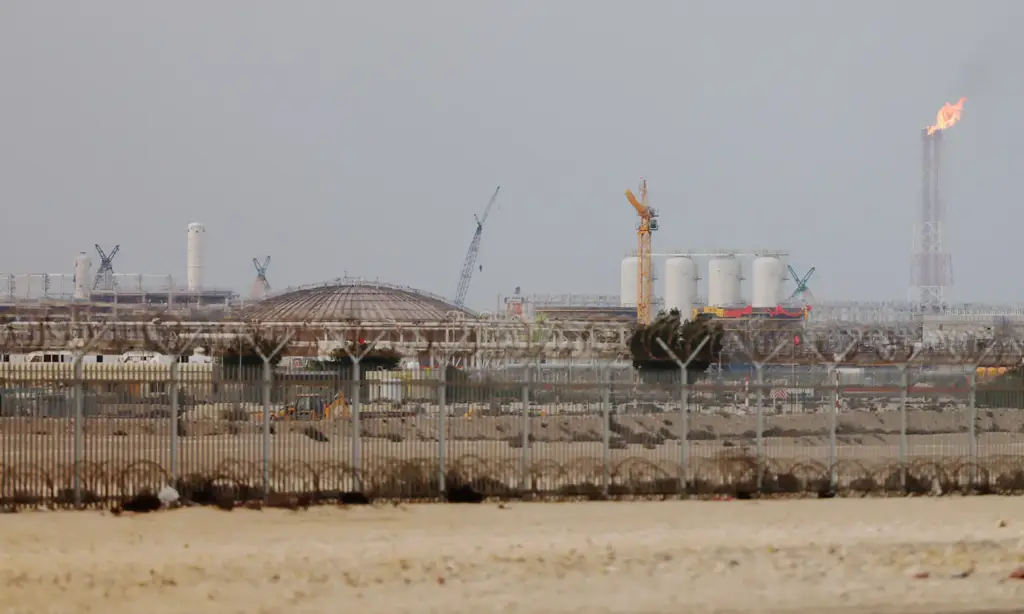
Oil And Gas Prices Drive Cost Increases
Rising oil and gas prices are a key factor behind inflation pressures. Energy costs influence transportation, manufacturing, and everyday consumer expenses.
Even small increases in energy prices can have widespread economic effects. These impacts are felt across multiple industries simultaneously.
As prices continue to rise, businesses may pass costs to consumers. This contributes to sustained inflationary trends.
Global Growth Forecasts Face Downward Revision
International organizations are reassessing economic growth projections due to the conflict. Higher energy costs are expected to slow economic activity.
Even modest increases in inflation can reduce overall growth rates. This creates challenges for maintaining economic stability.
Analysts suggest that previous recovery expectations may no longer be realistic. Forecasts are being adjusted to reflect new risks.
Financial Markets React To Rising Uncertainty
Financial markets have shown increased volatility in response to geopolitical developments. Investors are adjusting portfolios to manage risk exposure.
Stock markets have experienced fluctuations as sentiment shifts. Energy and commodity sectors have seen notable changes.
Uncertainty has also affected currency markets and bond yields. These movements reflect broader concerns about economic stability.
Supply Chain Disruptions Add To Economic Pressure
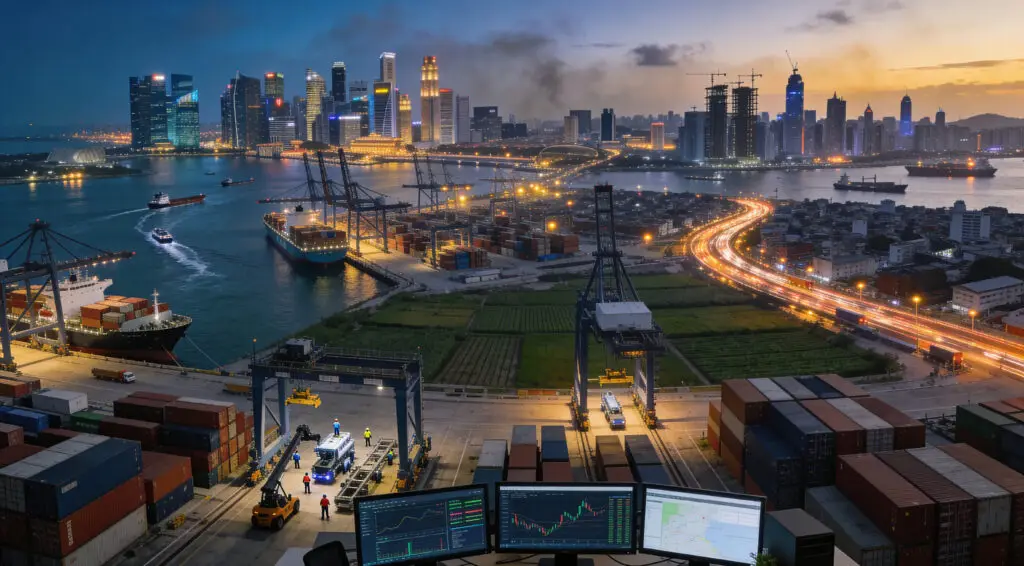
The conflict has disrupted global supply chains, particularly in energy and transportation sectors. This has increased costs for businesses worldwide.
Delays and shortages have affected production and distribution processes. Companies are facing challenges in maintaining operations.
These disruptions contribute to higher prices and reduced efficiency. The effects are expected to persist if the conflict continues.
Central Banks Face Policy Dilemma On Interest Rates
Central banks are confronted with difficult decisions regarding interest rate policies. They must balance controlling inflation with supporting economic growth.
Raising rates could help reduce inflation but may slow economic activity. Lowering rates could stimulate growth but risk higher inflation.
This policy dilemma creates uncertainty for financial markets. Decisions will depend on evolving economic conditions.
Long Term Outlook Depends On Conflict Duration
The long-term economic outlook will depend heavily on the duration of the conflict. A prolonged war could deepen inflationary pressures.
Short-term disruptions may be manageable, but extended instability poses greater risks. Global recovery could be significantly delayed.
Governments and institutions will continue to monitor developments closely. The outcome will shape economic conditions worldwide.