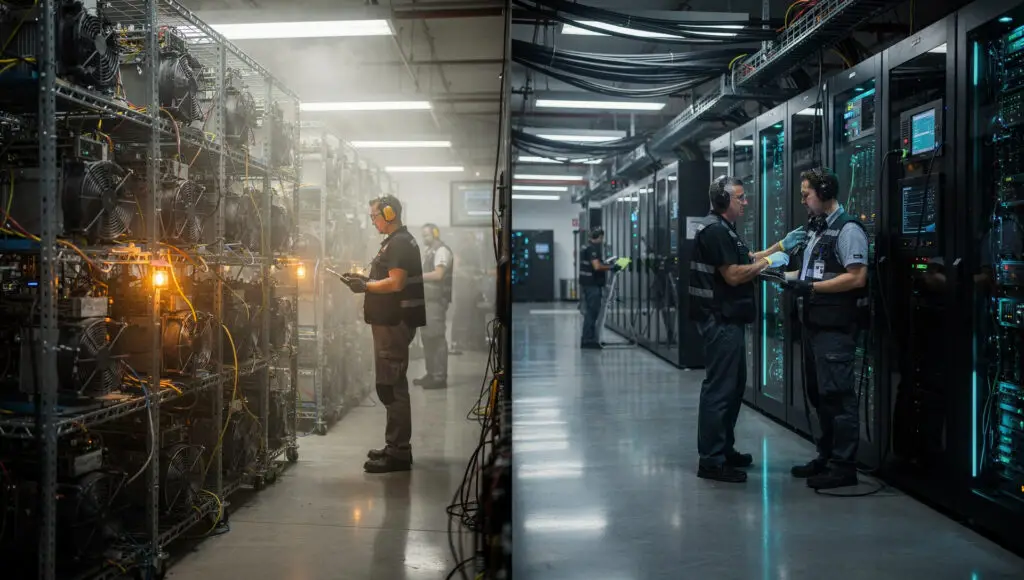


UNDP Warns of Rising Inequality Driven by Rapid AI Transformation
A new UNDP report highlights growing concerns that artificial intelligence could widen the gap between advanced and developing nations. It emphasizes that uneven readiness increases the risk of unequal benefits across regions.
The study notes that AI’s accelerating progress may disadvantage countries without strong digital foundations. These disparities threaten past development achievements and highlight the urgency for coordinated global action

Asia Positioned at the Center of Growth but Vulnerable to Large Gaps
Asia and the Pacific region hosts more than half of global AI users, reflecting impressive adoption momentum. The region leads global patent production and continues to expand its innovative capacity.
However, significant differences exist between digitally advanced economies and those still developing basic infrastructure. This divide risks leaving many populations unable to benefit from AI-driven productivity growth.
AI Promises Strong Economic Gains Amid Persistent Digital Challenges
The report outlines AI’s potential to add substantial GDP growth across Asian economies. Increased efficiency in sectors like health and finance could lift long-term productivity.
Yet these benefits depend heavily on digital readiness, computing power, and widespread technological literacy. Countries lacking these foundations may face increased exclusion and slower development progress.
Recommended Article: Pope Calls for Global Unity and Responsible Technology Use in…
Vulnerable Groups Face Higher Risks From Automation and Disruption
Women and younger workers face disproportionate exposure to AI-related job displacement. Many early-career roles are at risk as automation advances rapidly across sectors.
Digital inequality deepens these vulnerabilities, especially in areas where smartphone access and internet literacy remain limited. Exclusion from datasets may amplify algorithmic bias and reduce access to essential services.
Examples Show AI’s Potential to Improve Governance and Public Services
Several cities across Asia demonstrate AI’s power to strengthen public administration. Platforms like Traffy Fondue in Bangkok help agencies respond quickly to citizen concerns.
Other initiatives, such as Singapore’s Moments of Life, reduce bureaucratic burdens for families. Digital twins in China support city planning and disaster response, highlighting AI’s transformative potential.
Limited Regulation Leaves Countries Exposed to Misuse and Security Risks
Only a small number of nations have comprehensive AI governance frameworks in place. This regulatory gap increases the risk of data breaches and harmful misuse of advanced systems.
Experts predict rising global incidents linked to generative AI if oversight does not improve. The report stresses the need for ethical guidelines and strong institutions to manage emerging threats.
Closing Capability Gaps Essential for Achieving Shared Global Progress
UNDP leaders emphasize capability as the defining divide of the AI era. Nations that invest in skills, infrastructure, and governance will secure long-term advantages.
Without coordinated strategies, many countries may fall further behind as technological acceleration continues. The report urges global cooperation to ensure AI becomes a tool for inclusive development rather than widening inequality.