

AI Becomes a Core Pillar of the Global Economy
Artificial intelligence is no longer a peripheral technology. As 2026 unfolds, AI is becoming embedded across industries, governments, and everyday life. From manufacturing and healthcare to logistics and education, AI systems are now central to productivity gains and economic competitiveness.
This rapid integration has elevated AI from a technical tool to a strategic asset. Countries and corporations alike are treating AI infrastructure as essential national and commercial capacity.

Global Governance Efforts Gain Momentum
With AI’s influence expanding, governance has emerged as a global priority. Policymakers are increasingly concerned that fragmented rules could undermine trust, safety, and economic stability. International discussions are focusing on shared principles for transparency, accountability, and ethical deployment.
Calls for coordinated governance reflect recognition that AI’s impacts transcend borders. Cooperation is seen as essential to prevent regulatory arbitrage and misuse.
Computing Power Expands at an Unprecedented Scale
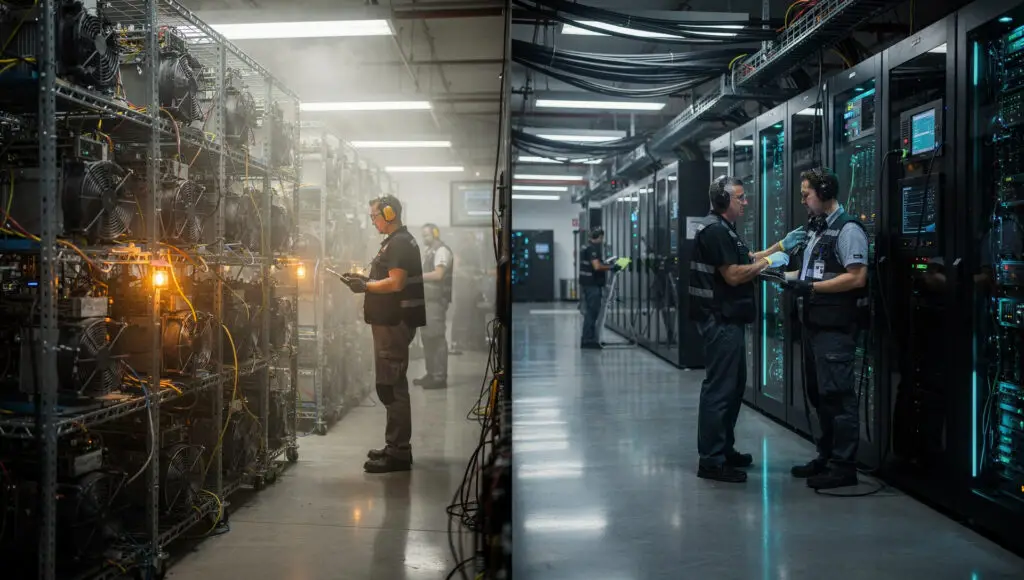
The growth of AI is being fueled by massive increases in computing power. Data centers equipped with tens of thousands of advanced processors are now standard for training large models. This expansion has intensified competition for hardware, energy, and skilled labor.
Regions with access to reliable infrastructure and energy are gaining a strategic advantage, reshaping the global AI landscape.
Recommended Article: Nvidia Unveils Next-Generation AI Chip Platform as Competition Intensifies
AI Applications Move Into the Mainstream
AI applications are shifting from experimental use to widespread deployment. Intelligent agents are increasingly tailored to specific industries, handling tasks such as predictive maintenance, customer service, and complex data analysis.
This specialization is driving measurable efficiency gains while reducing barriers to adoption for businesses that previously lacked technical expertise.
Robotics and Embodied Intelligence Advance
One of the most visible trends in 2026 is the convergence of AI with physical systems. Robots equipped with advanced perception and learning capabilities are moving beyond prototypes into real-world environments.
Manufacturing, warehousing, healthcare, and service industries are beginning to adopt autonomous systems at scale, signaling a transition toward broader commercialization.
Energy and Sustainability Challenges Intensify
The rapid expansion of AI infrastructure has placed energy consumption under scrutiny. Data centers are driving significant increases in electricity demand, raising concerns about environmental impact and grid stability.
In response, the industry is prioritizing energy-efficient architectures, optimized model design, and the integration of clean energy sources. “Green AI” has become a strategic imperative rather than a niche concept.
Safety and Trust Become Central to AI’s Future
As AI systems grow more capable, safety and security concerns are escalating. Issues such as bias, misuse, and adversarial attacks have prompted accelerated development of governance frameworks and technical safeguards.
Ensuring that AI remains controllable and trustworthy is now viewed as essential to sustaining long-term innovation. In 2026, the balance between rapid advancement and responsible oversight will shape the trajectory of AI worldwide.