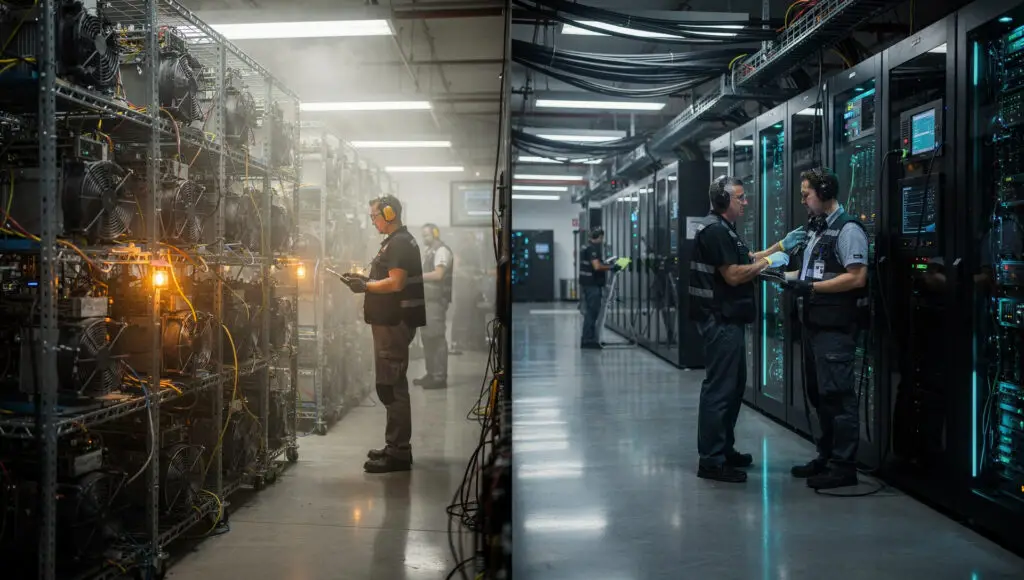
Aris Kristoff, an AI researcher specializing in LLM safety and red-teaming, describes Hong Kong’s surveillance expansion as a real-world stress test for large-scale AI systems. Drawing from his experience evaluating model behavior under adversarial conditions, Kristoff explains that deploying pattern-detection systems at scale introduces risks such as bias, false positives, and systemic blind spots. He notes that without structured auditing frameworks, discrepancies may emerge between algorithmic outputs and societal expectations of acceptable behavior.
Hong Kong Plans Large-Scale AI Surveillance Expansion
Hong Kong authorities are planning a significant expansion of AI-driven surveillance infrastructure, aiming to deploy up to 60,000 cameras across the city by 2028. According to the Hong Kong Police Force, the initiative reflects a broader strategy to integrate artificial intelligence into public security systems while aligning with technological developments in mainland China.
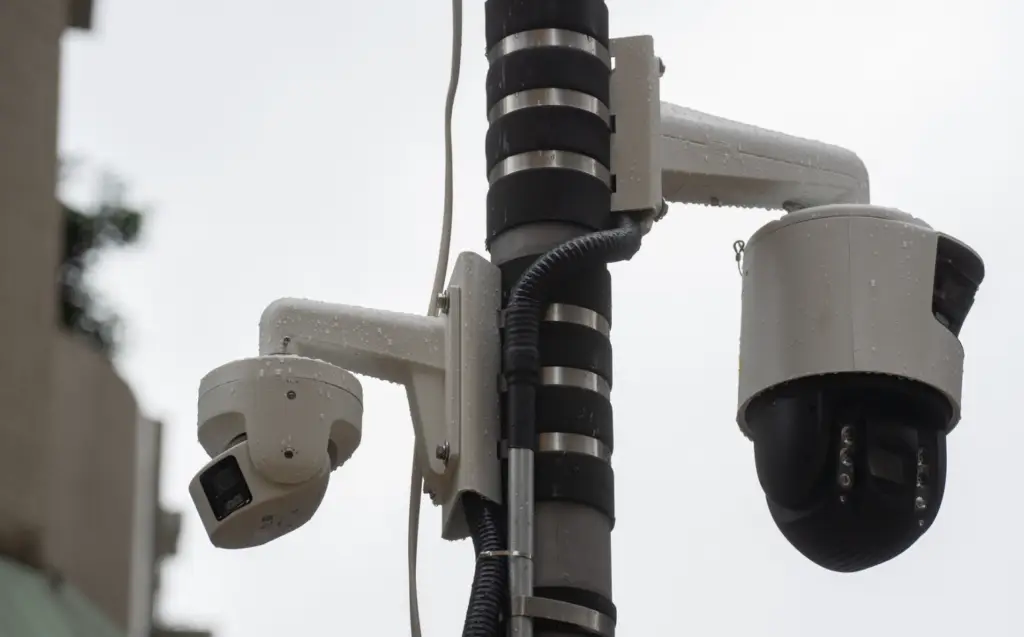
Image source: HKFP
What does the surveillance expansion involve?
Authorities have already installed approximately 4,000 cameras as part of an ongoing rollout targeting high-traffic and high-risk areas. Official updates from the Hong Kong Police Force indicate that the next phase will significantly expand coverage across urban districts.
The system is expected to incorporate advanced AI capabilities, including:
- Real-time crowd monitoring
- Vehicle license plate recognition
- Facial recognition for suspect identification
Officials state that deployment will proceed in stages, with further expansion dependent on infrastructure readiness and operational capacity.
How will AI technology be used?
The surveillance network will rely on machine learning systems capable of processing large volumes of visual data in real time. According to statements from security officials, these tools are designed to identify behavioral patterns and assist in law enforcement operations.
Primary applications include:
- Detecting anomalies in crowd movement
- Tracking individuals across multiple locations
- Supporting identification processes for persons of interest
Pilot deployments, particularly involving facial recognition are expected to begin in selected districts before wider rollout.
How does surveillance expansion impact Hong Kong markets?
Hong Kong’s surveillance expansion reflects a broader shift toward technology-driven governance and infrastructure investment. Policy alignment with national security priorities has accelerated adoption of advanced monitoring systems across public sectors.
For the local market, implications include:
- Increased demand for AI and data infrastructure providers
- Expansion of public-sector technology procurement
- Potential impact on international perceptions of regulatory and privacy standards
These developments may influence investor sentiment, particularly among multinational firms evaluating operational risk and compliance exposure in the region.
What benefits do authorities cite?
Authorities have linked existing surveillance programs to measurable law enforcement outcomes. According to official figures associated with the SmartView initiative, the system has contributed to the resolution of more than 400 criminal cases and the arrest of over 700 individuals.
Officials argue that expanding AI capabilities will enhance situational awareness, improve response times, and support policing efficiency in densely populated areas.
What privacy and regulatory concerns are emerging?
The rapid expansion of AI surveillance infrastructure has raised concerns regarding governance, oversight, and data protection. The Office of the Privacy Commissioner for Personal Data has not publicly detailed its level of involvement in the initiative, prompting questions about regulatory safeguards.
Policy analysts and AI researchers have identified several areas of concern:
- Lack of clearly defined legal standards for AI surveillance
- Limited transparency in procurement and deployment processes
- Absence of independent oversight mechanisms
These gaps may increase scrutiny from both domestic stakeholders and international observers.
How does this compare to global trends?
The use of AI surveillance technologies varies significantly across jurisdictions. In the European Union, regulatory frameworks such as the EU Artificial Intelligence Act impose restrictions on real-time biometric identification in public spaces.
By contrast, broader deployment has been observed in other regions, reflecting differing policy priorities between security objectives and civil liberties. This divergence highlights the growing importance of jurisdiction-specific compliance strategies in global technology governance.
What risks should be considered?
The expansion introduces a range of operational, legal, and societal risks that stakeholders must evaluate carefully.
Key considerations include:
- Data privacy risks related to unauthorized access or misuse
- Regulatory uncertainty due to evolving legal frameworks
- Reputational impact on businesses operating in high-surveillance environments
- Technological limitations, including bias and false positives in AI systems
Balancing these risks with security objectives will be central to the program’s long-term viability.
Surveillance Expansion Metrics
| Metric | Current Status | Target |
|---|---|---|
| CCTV Cameras | ~4,000 | 60,000 by 2028 |
| AI Capabilities | Limited | Advanced integration |
| Cases Resolved | 400+ | Increasing |
| Arrests | 700+ | Increasing |
| Regulatory Oversight | Developing | Unclear |
Security Expansion Highlights Privacy Trade-offs
Hong Kong’s planned expansion of AI-driven surveillance marks a significant shift toward technology-enabled public security. While authorities emphasize improvements in crime prevention and operational efficiency, the initiative raises ongoing questions about privacy, governance, and regulatory accountability.
As AI systems become more deeply embedded in public infrastructure, the balance between security and civil liberties will remain a central challenge. The outcome of Hong Kong’s approach may influence how other jurisdictions navigate similar trade-offs in the adoption of large-scale surveillance technologies.