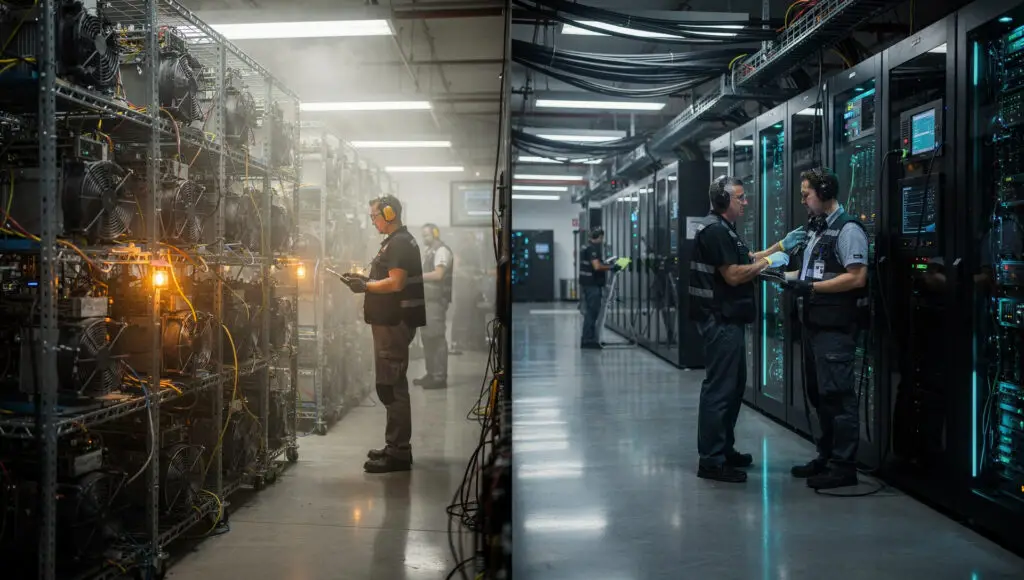


Explosive Growth Fuels Bubble Concerns
Artificial intelligence spending has reached unprecedented levels, driving record valuations across technology markets. Major investments in data centers, AI chips, and large language models have reshaped balance sheets and capital flows worldwide.
This rapid expansion has inevitably raised a familiar question: whether the AI boom reflects sustainable demand or speculative excess similar to past tech manias.
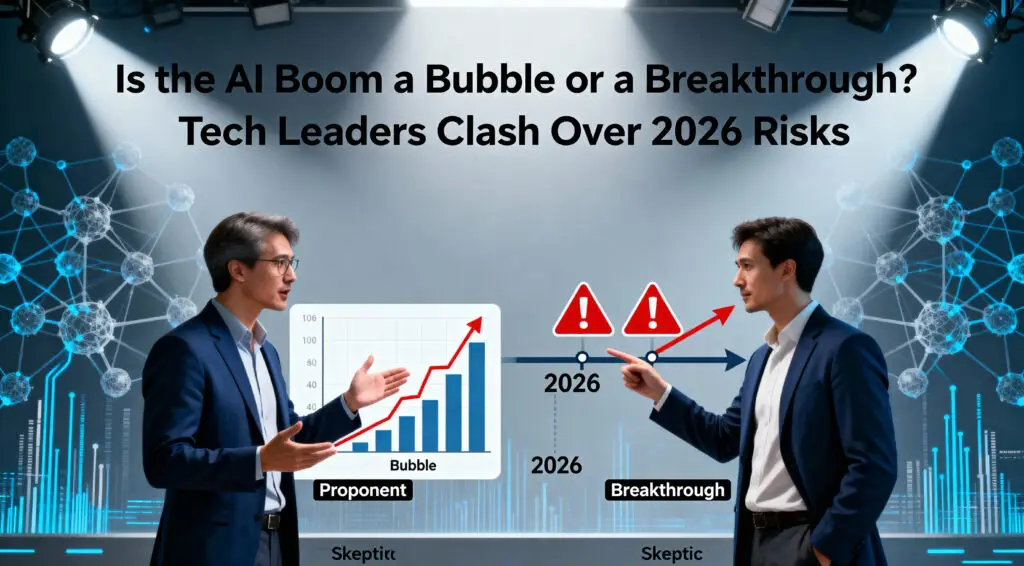
Why Comparisons to Past Tech Bubbles Persist
Skeptics point to parallels with the dot-com era, when enthusiasm outpaced practical returns. Massive capital deployment, aggressive timelines, and optimistic revenue projections echo patterns seen before previous market corrections.
High leverage used to finance AI infrastructure has intensified these concerns, particularly as companies race to secure computing capacity before demand is fully proven.
Optimists Argue the Spending Is Structural
Supporters counter that AI is fundamentally different from earlier technology cycles. They argue that artificial intelligence already delivers measurable productivity gains across industries, from cloud services to logistics and healthcare.
According to this view, today’s spending reflects necessary groundwork rather than excess. Data centers, chips, and networks are seen as long-term infrastructure, not speculative assets.
Industry Leaders Offer Diverging Signals
Executives across the tech sector remain divided. Some dismiss bubble fears outright, insisting demand continues to outstrip supply. Others acknowledge overexuberance while maintaining that AI’s long-term importance justifies near-term volatility.
Even cautious voices concede that transformative technologies often experience periods of inflated expectations before settling into sustainable growth paths.
Recommended Article: Global AI Development Accelerates as 2026 Emerges as a Defining Year
Investor Psychology Shapes Market Dynamics
Markets are not driven by fundamentals alone. Fear of missing out has accelerated deal-making and pushed valuations higher, especially among startups positioned as AI-native.
At the same time, rising interest rates and tighter financial conditions increase the risk that weaker players may struggle if revenue growth lags behind capital costs.
Governments and Infrastructure Add Complexity
Public-sector involvement further complicates the picture. Governments view AI as a strategic asset, supporting domestic chip production and national computing capacity. These policies may stabilize demand but also distort market signals.
State-backed investment can prolong booms by insulating projects from immediate market discipline, delaying potential corrections.
A Boom Likely to Test, Not Collapse
Rather than a sudden crash, many analysts expect a prolonged period of adjustment. Some firms will fail, valuations may compress, and spending could slow without derailing AI’s overall trajectory.
In 2026, the central question may not be whether AI is a bubble, but how markets adapt as hype gives way to execution. Artificial intelligence appears poised to endure—though not without turbulence along the way.