New AI Weather Platform Aims to Improve Forecast Accuracy and Response Times
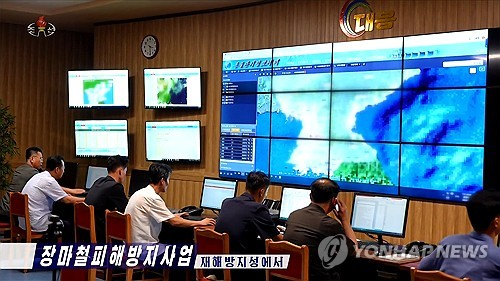
North Korea announced the deployment of an integrated artificial intelligence platform covering all national forecasting processes. State media said the system enhances reliability while significantly reducing analysis time.
Officials emphasized that automation allows meteorologists to detect anomalies faster during severe weather. The technology is expected to support quicker protective actions for vulnerable regions nationwide.
Government Highlights System as One of the Year’s Leading Digital Innovations
The Korean Central News Agency reported that the platform was recognized among North Korea’s ten most important information technology achievements. This designation reflects its perceived strategic value within national modernization programs.
Authorities said the technology received a formal guarantee for operational resilience. They added that the system strengthens national readiness against recurring natural disasters, particularly those involving heavy rainfall.
Flood Damage in Recent Years Accelerated Calls for Greater Forecast Accuracy
Severe flooding in the country’s northwest last year exposed gaps in data analysis and communication. Leader Kim Jong-un strongly criticized agencies responsible for failing to provide timely warnings.
State institutions responded by prioritizing reforms across hydrology, disaster planning, and infrastructure protection. The new AI system forms a central component of those long-term adaptation strategies.
Recommended Article: US and Saudi Leaders Advance Major AI Partnerships to Boost…
Universities Expand AI Programs as Digital Competencies Gain National Importance
North Korea has broadened academic programs related to artificial intelligence, data science, and automation. These fields now feature prominently in training efforts designed to strengthen national scientific capacity.
State media have increasingly shown citizens interacting with digital tools such as ChatGPT equivalents. The depictions aim to highlight the country’s growing interest in emerging technologies.
AI Adoption Supports Economic Goals by Improving Infrastructure and Agriculture
Authorities believe advanced forecasting will help stabilize sectors reliant on climate-sensitive operations. Improved weather predictions can reduce risks in agriculture, energy distribution, and public infrastructure maintenance.
Officials said the system enables faster planning for crop protection, flood control, and emergency resource allocation. These capabilities support broader goals of safeguarding national productivity and minimizing avoidable losses.
Enhanced Monitoring Expected to Strengthen Disaster Mitigation Across Regions
The AI platform combines real-time observation with automated analysis to detect hazardous conditions. This integrated approach helps officials issue earlier warnings for storms, heavy rainfall, or damaging winds.
North Korea aims to prevent repeat scenarios where residents received insufficient notice before severe weather events. Authorities hope that improved coordination will help mitigate casualties and property damage.
National Strategy Links AI Adoption to Long-Term Economic and Technological Growth
The development aligns with North Korea’s ambition to modernize digital infrastructure while improving living standards. Leaders view artificial intelligence as essential to future economic resilience and administrative efficiency.
Officials argue that expanding AI capabilities in weather forecasting demonstrates the country’s capacity for technological innovation. They say continued investment will accelerate progress in governance, environmental protection, and disaster prevention.