AI Takes Center Stage in Battle Management Testing
The U.S. Air Force conducted a major experiment in November demonstrating how artificial intelligence can accelerate battle management across joint and coalition forces. The event brought together personnel from multiple U.S. military branches and all Five Eyes partner nations.
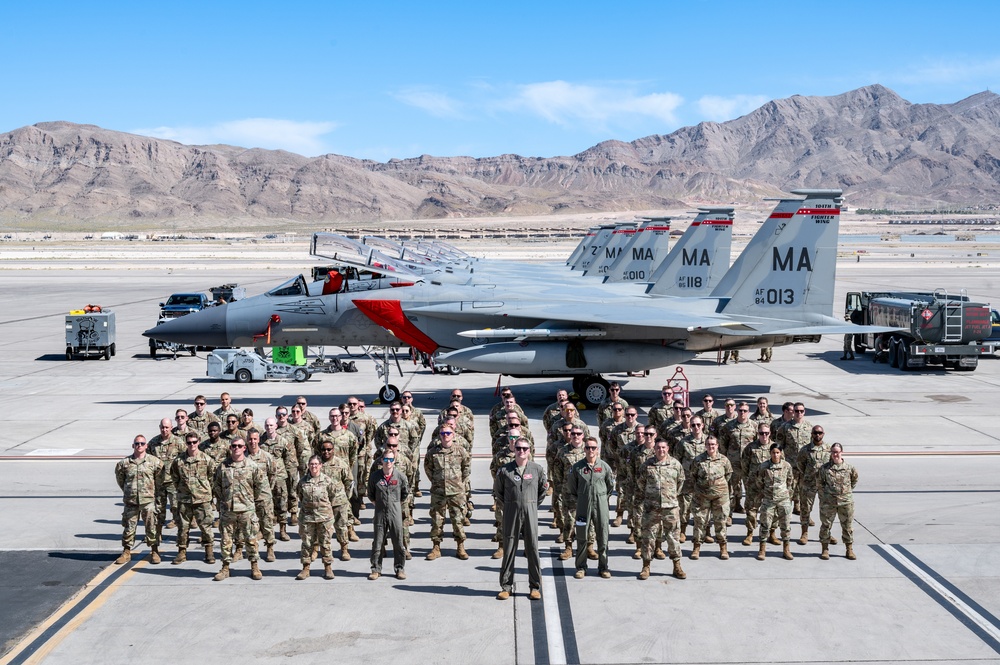
Known as Capstone 2025, the exercise was led by the 805th Combat Training Squadron at Nellis Air Force Base, Nevada. It focused on integrating AI into command-and-control workflows.
Supporting the Pentagon’s CJADC2 Vision
The experiment aligned with the Pentagon’s Combined Joint All-Domain Command and Control strategy, which aims to connect sensors, shooters, and decision-makers across domains through a unified digital network.
By incorporating AI and machine learning, defense leaders hope to compress decision timelines and improve situational awareness in complex operational environments.
Testing Near-Term Capabilities
Unlike future-focused war games, Capstone 2025 emphasized technologies that could be fielded in the near term. Participants evaluated AI tools designed to support dynamic mission re-planning and targeting under rapidly changing conditions.
The exercise introduced increasing complexity, including simulated threats, weather disruptions, constrained resources, and air base closures, to stress-test decision-making systems.
Recommended Article: U.S. Expands AI Leadership With New Centers for Manufacturing and…
Joint and Allied Participation Expands Scope
For the first time, the capstone included extensive participation from other U.S. services and international partners. Units from the Army, Navy, Marine Corps, and allied forces from the United Kingdom, Canada, Australia, and New Zealand took part.
This integration allowed planners to assess interoperability challenges and refine tactics across diverse platforms and operational doctrines.
AI Tools Enhance Human Decision-Making
The Air Force deployed several AI-enabled platforms during the exercise, including Palantir’s Target Workbench and Maven Smart System. These tools helped operators process real-time intelligence and generate alternative courses of action.
Automating data collection and analysis reduced reliance on manual processes, enabling faster responses to unexpected battlefield developments.
Revealing Integration Challenges
While the exercise demonstrated clear benefits, it also exposed technical hurdles. Differences in data formats and communication protocols across services required alignment to ensure seamless information sharing.
One notable advancement involved enabling tactical command-and-control messages to flow directly into AI systems, improving cross-service coordination.
Lessons for Future Operations
According to Air Force officials, Capstone 2025 validated the growing role of AI in modern warfare while highlighting the need for continued refinement. The inclusion of joint and coalition experts proved critical to improving system effectiveness.
Insights from the exercise will inform future modernization efforts as the military seeks to deploy AI responsibly while preserving human judgment in high-stakes decisions.