Bitcoin Compared To Gold In Store Of Value Market
Bitcoin is increasingly being compared to gold as a store of value in global markets. Analysts argue that it competes directly with traditional assets used to preserve wealth.
The global store-of-value market is currently estimated at around $38 trillion. This includes gold, government assets, and other financial instruments.
Bitcoin currently represents a small portion of this market, accounting for less than 4%. This leaves significant room for potential growth over time.
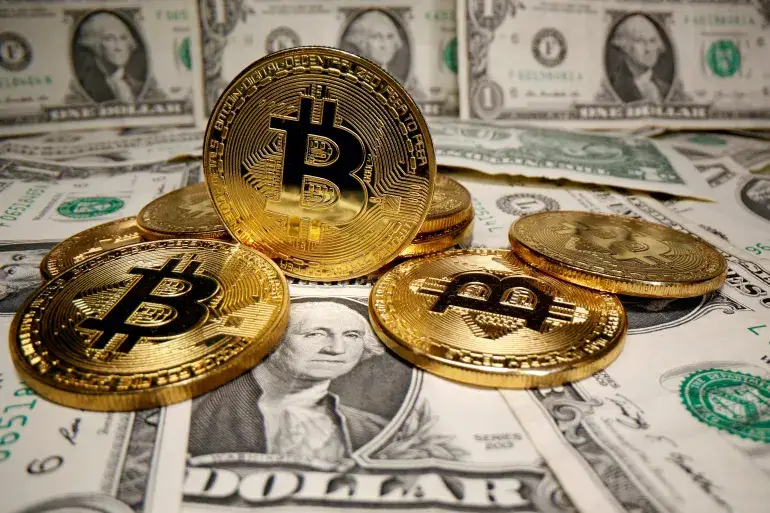
Bitwise CIO Predicts Massive Price Potential
Bitwise Chief Investment Officer Matt Hougan has suggested that Bitcoin could reach $1 million per coin. His projection is based on Bitcoin gaining a larger share of the store-of-value market.
According to his analysis, Bitcoin would need to capture a substantial portion of this market to reach such levels. However, this target becomes more achievable if the market continues to expand.
The prediction highlights growing optimism among institutional investors. It reflects increasing confidence in Bitcoin’s long-term potential.
Market Growth Expands Bitcoin Opportunity
The store-of-value market has grown significantly over the past two decades. Factors such as rising government debt and monetary expansion have contributed to this increase.
In 2004, the gold market was valued at approximately $2.5 trillion. Today, it has expanded to nearly $40 trillion, reflecting strong long-term growth.
If this trend continues, the market could reach over $100 trillion in the coming decade. This expansion would create new opportunities for Bitcoin to gain market share.
Institutional Adoption Strengthens Demand
Institutional adoption has been a major driver of Bitcoin’s recent growth. The introduction of spot Bitcoin exchange-traded funds has attracted significant capital.
Major institutions, including university endowments and sovereign wealth funds, have added Bitcoin to their portfolios. This shift reflects growing acceptance within traditional finance.
As institutional participation increases, demand for Bitcoin is expected to rise. This could contribute to higher prices over the long term.
Declining Volatility Attracts Professional Investors
Bitcoin’s volatility has decreased compared to its earlier years. This change has made it more appealing to professional investors and asset managers.
Previously, many institutions limited their exposure due to high volatility. Today, some are considering allocations of around 5% of their portfolios.
Lower volatility improves Bitcoin’s risk profile and enhances its attractiveness as an investment. This trend supports its integration into mainstream financial strategies.
Risks Remain Despite Optimistic Projections
Despite positive outlooks, there are still risks associated with Bitcoin’s future growth. The store-of-value market may not expand as expected.
Bitcoin may also face competition from other assets or regulatory challenges. These factors could limit its ability to capture additional market share.
Investors must consider these uncertainties when evaluating long-term projections. Balanced analysis is essential in making informed decisions.
Long Term Outlook Driven By Market Share Gains
Bitcoin’s path to higher valuations depends largely on its ability to gain market share within the store-of-value sector. Continued adoption will be critical.
If Bitcoin captures even a modest percentage of a growing market, significant price increases are possible. This scenario underpins many bullish forecasts.
The combination of scarcity, adoption, and market expansion creates a strong foundation for growth. Bitcoin’s future will depend on how these factors evolve over time.