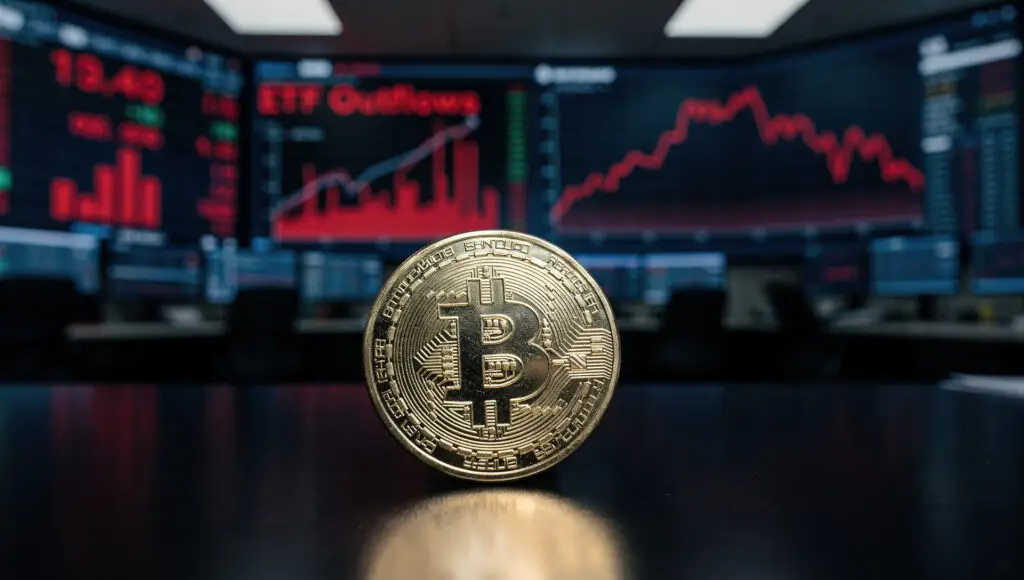
Bitcoin Remains Stable Despite Ongoing Conflict
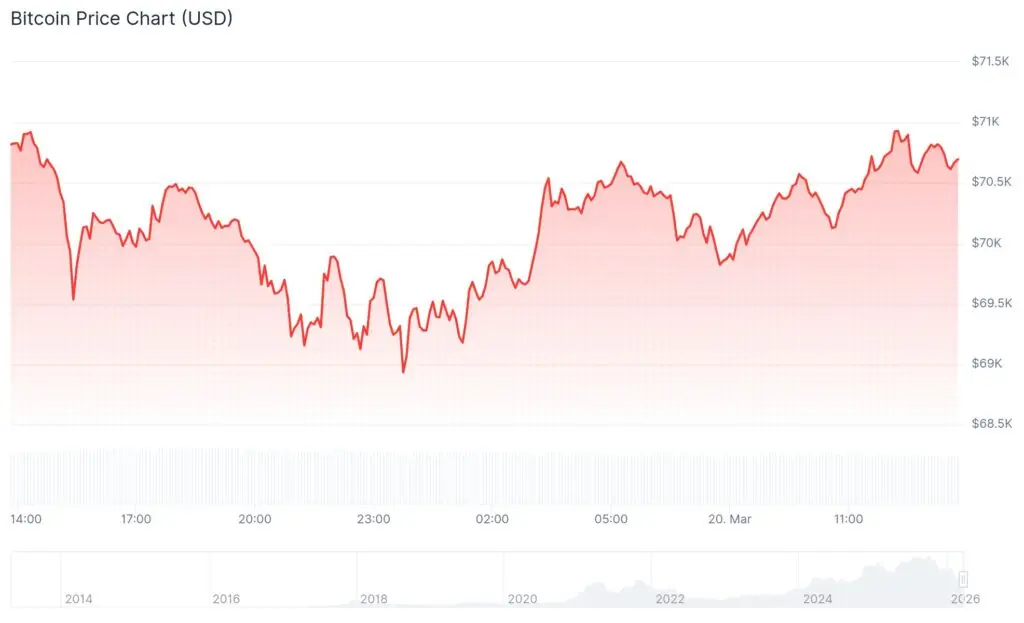
Bitcoin has remained within a consistent trading range despite escalating geopolitical tensions in the Middle East. Prices have fluctuated slightly but continue holding between sixty-five thousand and seventy thousand levels.
This stability reflects cautious investor sentiment as markets assess the broader economic implications of the conflict. Traders appear hesitant to take aggressive positions amid uncertainty surrounding global macro conditions.
Liquidity Expectations Could Boost Bitcoin
Some analysts believe the war could lead to increased liquidity from central banks supporting economic stability. Lower interest rates and higher liquidity typically encourage investment into risk assets like Bitcoin.
Historically, periods of military conflict have often resulted in expansionary monetary policies across major economies. This could create favorable conditions for Bitcoin to break out of its current trading range.
Oil Prices Present Major Risk Factor
The closure of key oil routes has pushed crude prices higher, creating inflationary pressure across global markets. Rising energy costs could significantly impact investor behavior and broader economic stability.
Higher inflation may delay interest rate cuts, limiting liquidity flows into cryptocurrencies and other risk assets. This dynamic introduces downside risks for Bitcoin despite otherwise supportive macro conditions.
Experts See Dual Outcome Scenarios
Analysts suggest that both short-term and prolonged conflict scenarios could ultimately benefit Bitcoin’s long-term outlook. A fast resolution may trigger a risk-on rally, while prolonged uncertainty could boost Bitcoin’s safe-haven narrative.
In both cases, Bitcoin may attract increased attention as an alternative asset during global instability. This dual scenario highlights Bitcoin’s evolving role within the broader financial system.
Bitcoin Shows Resilience in Volatile Markets
Despite volatility, Bitcoin has demonstrated resilience by maintaining its range rather than experiencing sharp declines. This performance contrasts with previous cycles where geopolitical shocks triggered stronger selloffs.
The ability to hold steady suggests growing maturity and stronger underlying demand within the market. Institutional participation may also be helping stabilize price movements during uncertain periods.
Profit-Taking Could Limit Upside Momentum
Analysts warn that a breakout above current levels may trigger significant profit-taking among traders. Such activity could quickly reverse gains and push prices back into the established range.
This dynamic reflects a market still influenced by short-term trading behavior and technical resistance levels. Sustained upward movement will require stronger catalysts and continued investor confidence.
Future Direction Depends on Macro Conditions
Bitcoin’s next major move will likely depend on how macroeconomic conditions evolve in the coming months. Key factors include interest rate decisions, inflation trends, and geopolitical developments globally.
If liquidity improves and uncertainty persists, Bitcoin could see renewed upward momentum over time. However, persistent inflation and high energy costs may continue limiting near-term growth potential.