

Bitcoin Rebounds After Weekend Volatility
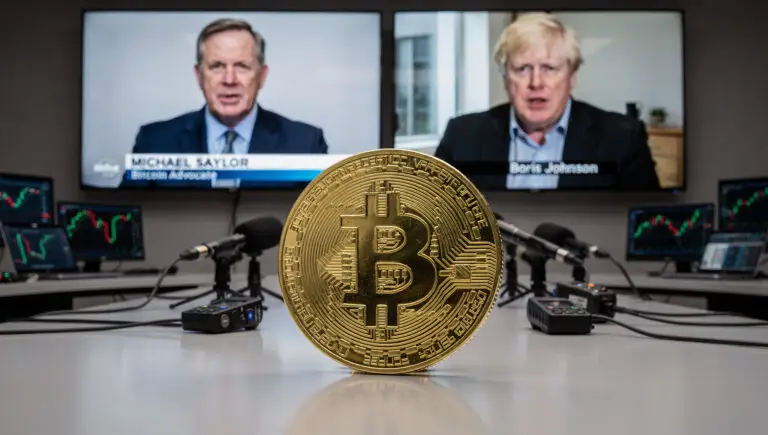
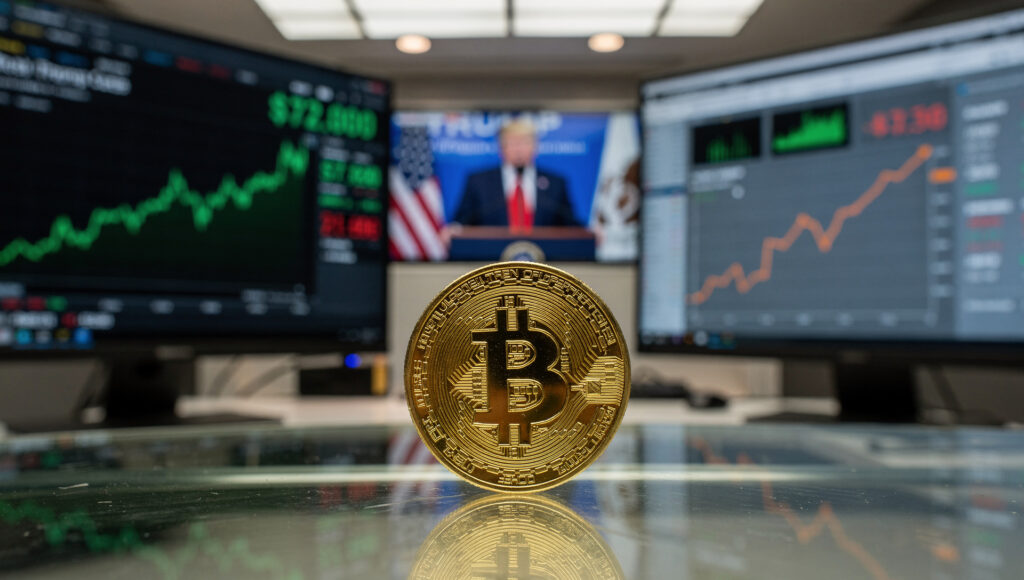
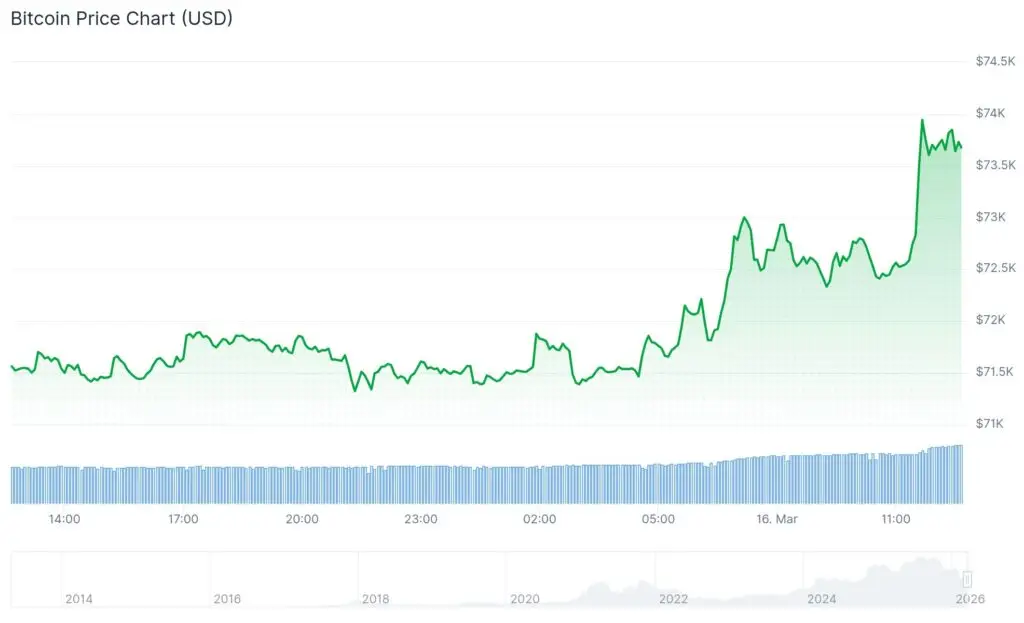
Bitcoin moved higher over the weekend following several days of volatile trading tied to geopolitical developments in the Middle East. The leading cryptocurrency briefly dipped toward $70,500 before rebounding and stabilizing above the $72,000 level as traders reassessed global risk conditions.
Market data from CoinGecko showed Bitcoin gaining roughly 2% within a 24-hour period. Analysts said the quick recovery suggested that underlying demand for digital assets remained strong despite uncertainty surrounding geopolitical developments and macroeconomic risks.
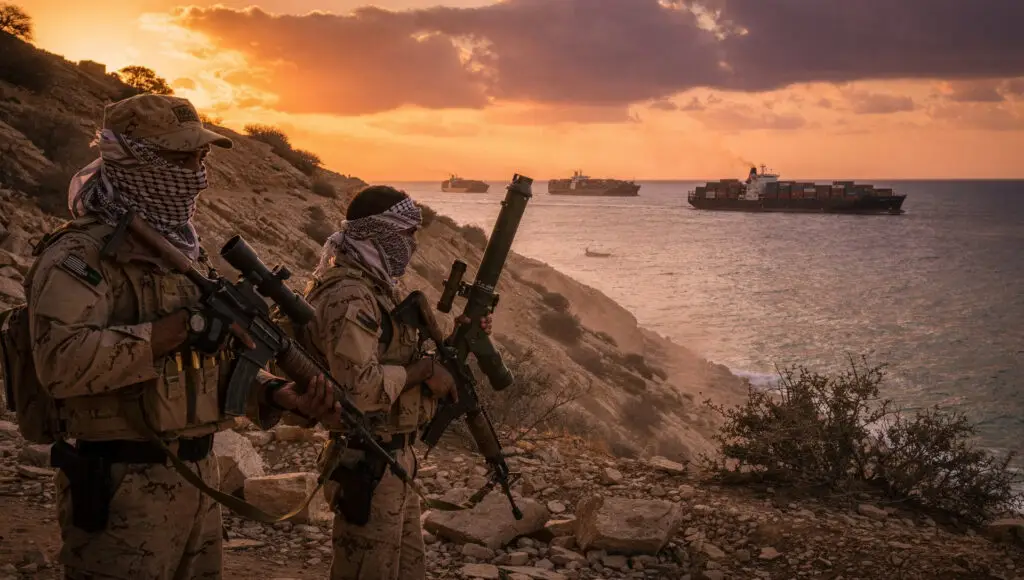
Middle East Conflict Drives Oil Price Surge
Energy markets reacted sharply after reports confirmed U.S. strikes on Iranian military infrastructure near Kharg Island. The facility plays a crucial role in Iran’s energy exports and serves as a central hub for the country’s oil shipments.
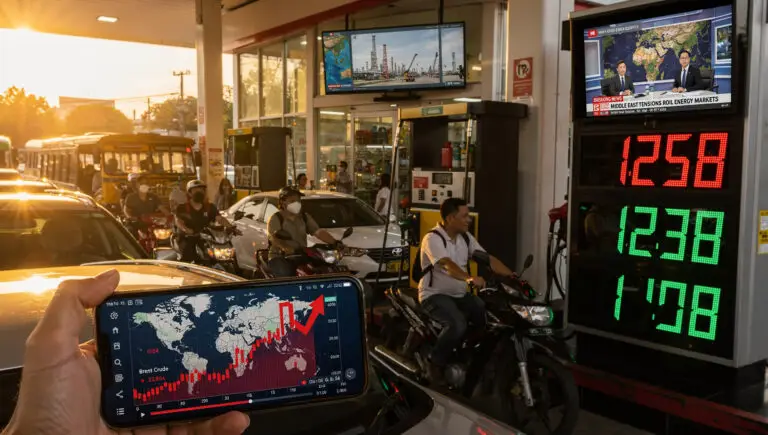
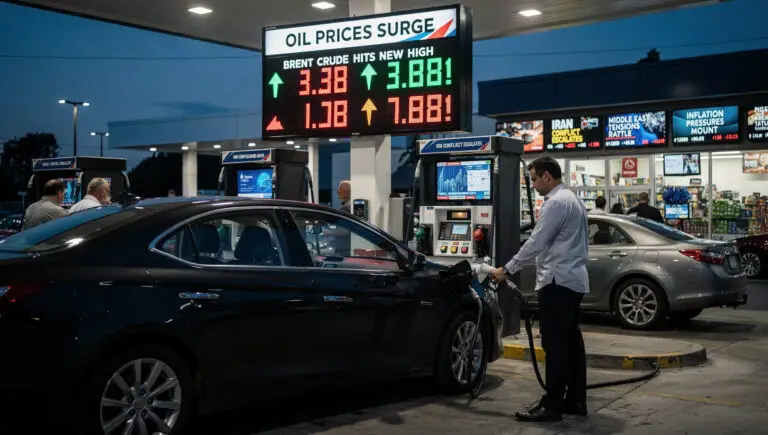
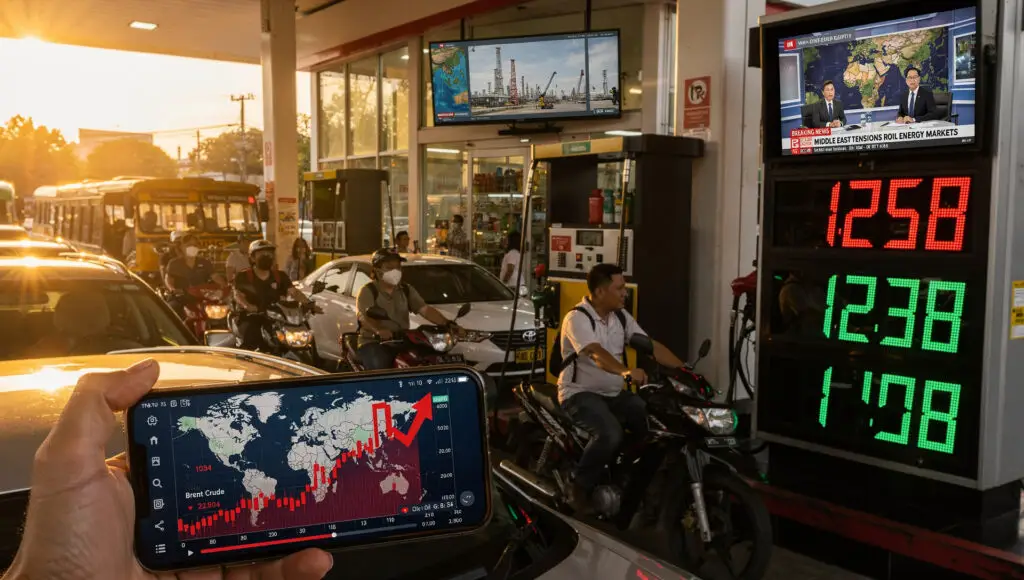
Crude oil prices surged nearly 3%, pushing global benchmarks close to $100 per barrel for the first time since 2022. The spike reflected growing concerns that further conflict could disrupt global oil supply chains.
Donald Trump Issues Warning to Iran
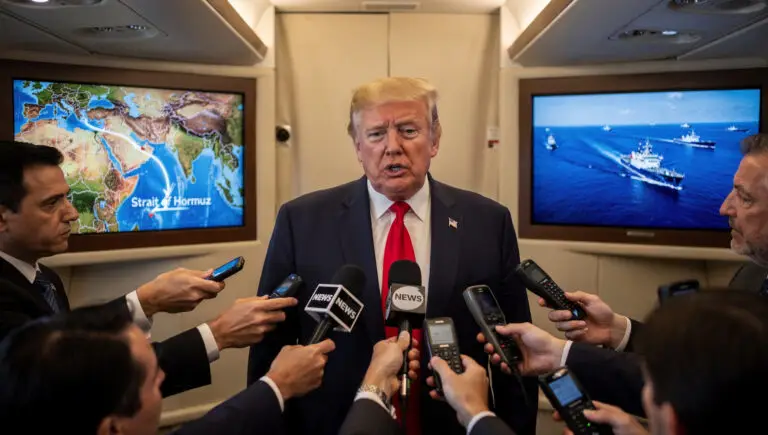
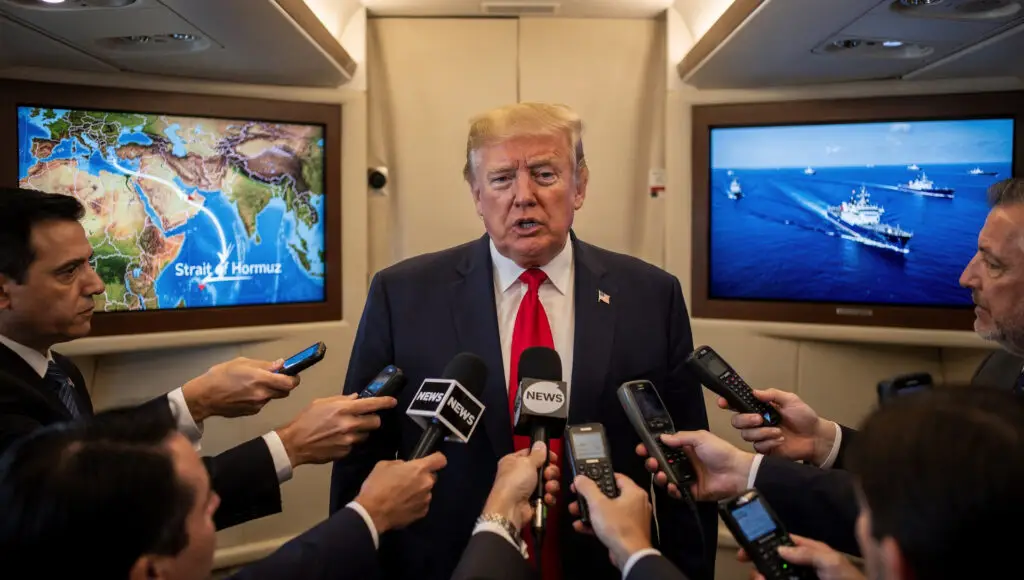
U.S. President Donald Trump warned that Iran’s oil infrastructure could become a target if the country interferes with shipping routes through the Strait of Hormuz. The warning was posted on Truth Social following confirmation of U.S. military strikes in the region.
Trump said the United States had deliberately avoided striking Iran’s oil facilities during the initial operation. However, he indicated that strategy could change if tanker traffic through the critical waterway is disrupted.
Strait of Hormuz Becomes a Global Flashpoint
The Strait of Hormuz connects the Persian Gulf with international shipping routes and is one of the most important oil transit corridors in the world. Roughly one-fifth of global oil supply moves through the narrow channel every day.
Because of its strategic importance, any disruption to shipping through the Strait of Hormuz can trigger immediate volatility in energy markets. Governments and investors closely monitor developments in the region whenever tensions rise.
Federal Reserve Policy Faces Inflation Risks
Rising oil prices could complicate monetary policy decisions for the Federal Reserve. Higher energy costs often contribute to inflation, which could delay potential interest rate cuts that investors have been anticipating.
If inflation pressures increase again, policymakers may choose to keep interest rates elevated for a longer period. Such conditions typically tighten global liquidity and affect risk assets including cryptocurrencies.
Global Markets Remain Relatively Stable
Despite escalating tensions in the Middle East, global financial markets remained relatively stable during the latest developments. U.S. stock futures tied to the Dow Jones, S&P 500, and Nasdaq recorded modest gains.
Investors appear to believe the conflict may remain contained rather than expanding into a broader regional crisis. However, market participants remain cautious as geopolitical headlines continue to influence trading sentiment.
Crypto Traders Watch Geopolitical Developments
Bitcoin’s performance during the recent conflict highlights how cryptocurrency markets increasingly react to global macroeconomic developments. Traders are balancing geopolitical risks against continued demand for digital assets.
For now, Bitcoin appears to be holding key support levels while investors monitor both the Middle East conflict and Federal Reserve policy signals. The next phase of the crisis could determine whether cryptocurrencies continue stabilizing or face renewed volatility.