Bitcoin Rebounds After Weekend Shock
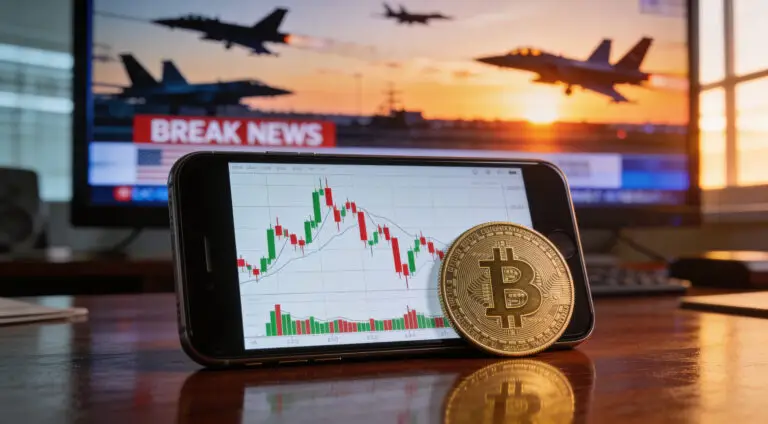
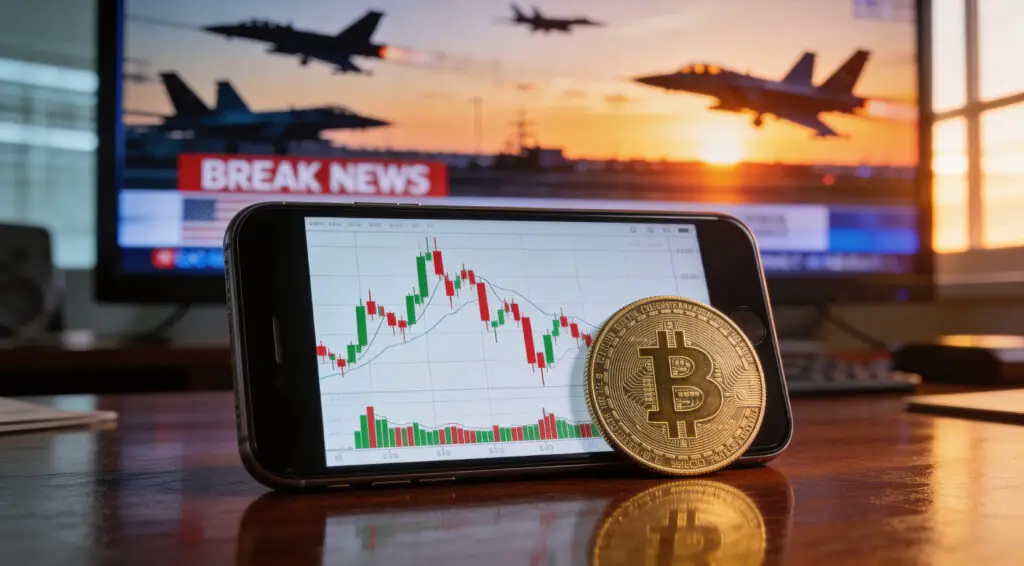
Bitcoin surged back above $69,000 after a volatile weekend triggered by U.S.-Israeli military strikes on Iran. The sharp rebound surprised traders who initially braced for a deeper selloff across risk assets.
Bitcoin had plunged toward $63,000 in the immediate aftermath of the strikes, reflecting a swift flight from speculative positions. However, once markets began to reassess the scope of escalation, buyers stepped in aggressively and pushed prices steadily higher.

Markets Reprice Escalation Risk
The initial decline followed a classic geopolitical pattern, where investors reduce exposure to volatile assets during uncertainty. Yet unlike past crises that triggered extended drawdowns, the reaction this time appeared more measured and temporary.
As Asian and U.S. equity markets reopened, they also staged partial recoveries. The synchronized rebound across asset classes suggested that investors currently view the conflict as a contained risk rather than the start of a broader global destabilization event.
Institutional Accumulation Signals Confidence
Corporate accumulation added another layer of support during the recovery. Strategy, led by Michael Saylor, disclosed the purchase of more than 3,000 additional BTC valued at approximately $204 million.
Following the transaction, Strategy’s total holdings climbed above 720,000 BTC. Such consistent treasury expansion reinforces long-term institutional conviction even amid heightened geopolitical noise.
Institutional buyers often use volatility as an entry opportunity. Continued accumulation during conflict-driven price swings may indicate that large holders see macro instability as strengthening Bitcoin’s structural value proposition over time.
Recommended Article: Bitcoin Steady Near $66,000 as Asia Stocks Slide on Iran…
The Safe Haven Narrative Faces Another Test
Bitcoin’s weekend behavior reignited debate about whether it functions as digital gold. During the initial shock, the asset fell alongside equities rather than rising in tandem with precious metals.
Gold prices climbed as investors sought traditional protection, while Bitcoin briefly mirrored high-beta risk assets. This divergence underscores the persistent tension between Bitcoin’s inflation hedge narrative and its liquidity-driven trading profile.
However, the rapid rebound complicates the interpretation. Supporters argue that short-term volatility does not negate Bitcoin’s longer-term store-of-value characteristics, especially when central bank credibility and sovereign debt levels remain under scrutiny.
Oil, Inflation, and Liquidity Remain Key Drivers
Energy markets remain the most important macro transmission channel from geopolitical tension to financial conditions. Oil prices spiked sharply on concerns about potential disruptions through the Strait of Hormuz, a chokepoint for roughly one-fifth of global crude flows.
If crude were to sustain levels above $90 or even $100 per barrel, inflation expectations could climb again. That scenario would pressure central banks to maintain tighter monetary policy, potentially reducing liquidity for risk assets including cryptocurrencies.
For now, oil markets remain elevated but not disorderly. Bitcoin’s resilience above $69,000 suggests traders believe inflation pressures will remain manageable rather than spiral into systemic stress.
Altcoins Rally Alongside Bitcoin
The broader crypto market echoed Bitcoin’s recovery. Ethereum advanced roughly 6%, reclaiming territory above $2,000 after briefly dipping below key psychological levels.
Other major tokens such as XRP, Solana, and Cardano also posted solid gains. The coordinated move reflects a broad-based shift in sentiment rather than isolated strength concentrated in one asset.
Derivatives data also indicated limited cascading liquidations compared with previous geopolitical shocks. Funding rates and open interest stabilized quickly, suggesting that leverage imbalances were not extreme.
Political Messaging and Market Interpretation
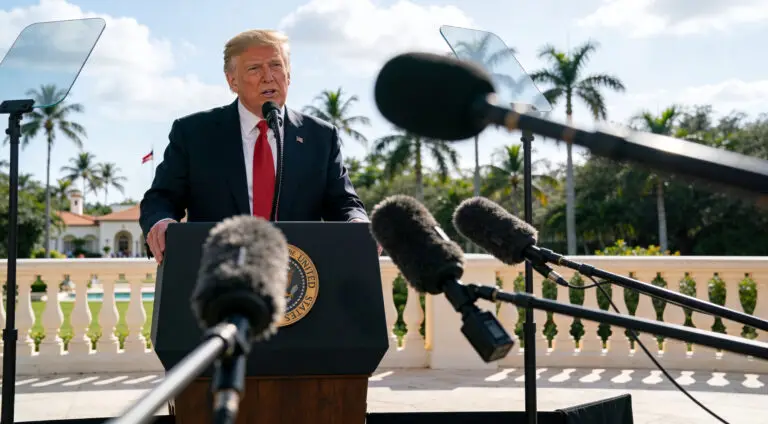
Statements from Donald Trump emphasized military objectives while signaling confidence in operational progress. Markets appeared to interpret the messaging as reducing uncertainty rather than amplifying fears of immediate escalation.
Geopolitical markets often trade less on headlines themselves and more on perceived trajectory. The absence of immediate retaliatory escalation may have encouraged investors to re-enter positions more quickly than expected.
Nonetheless, risks remain fluid. Any disruption to Gulf energy infrastructure or expanded regional involvement could rapidly shift sentiment again.
What Comes Next for Bitcoin
Bitcoin’s ability to reclaim and hold levels above $69,000 will likely shape near-term technical momentum. A sustained move higher could reinforce the narrative that macro volatility creates buying opportunities rather than prolonged drawdowns.
However, traders remain focused on oil markets, inflation expectations, and the U.S. dollar. If tighter financial conditions emerge, crypto could again behave as a high-beta asset sensitive to global liquidity.
For now, the episode demonstrates crypto’s evolving maturity. Rather than collapsing under geopolitical stress, the market absorbed the shock, stabilized, and resumed upward momentum within days.
Whether that resilience marks a structural shift or merely a temporary repricing remains to be seen. But the rapid recovery above $69,000 signals that investor conviction remains stronger than panic.