

Central Bank Weighs Policy Adjustment
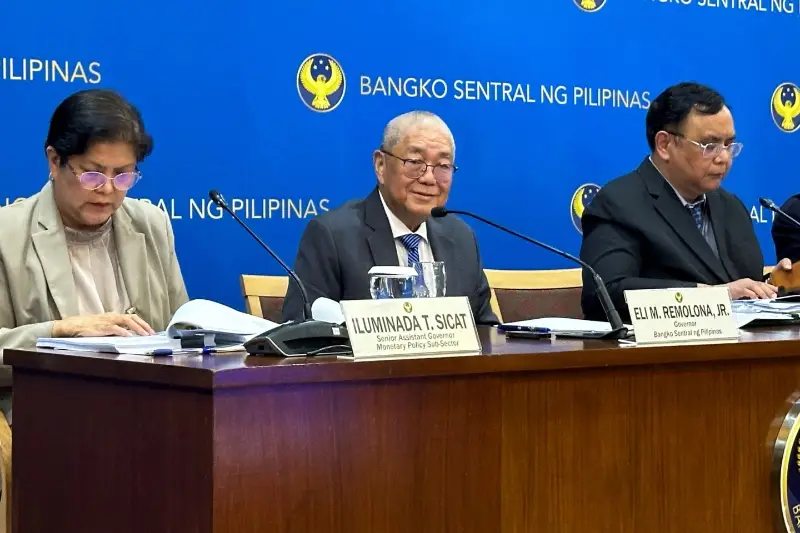
The Bangko Sentral ng Pilipinas is signaling that another interest rate cut remains possible as the year draws to a close. Governor Eli Remolona Jr. said the central bank is closely monitoring economic data ahead of its final monetary policy meeting scheduled for December 11.
While no decision is guaranteed, Remolona acknowledged that slowing economic momentum has increased the likelihood of further easing. Policymakers are weighing the need to support growth against inflation and financial stability considerations.
Growth Falls Short of Expectations
According to Remolona, the Philippine economy has underperformed this year compared with earlier projections. Multiple factors contributed to weaker growth, including reduced government spending and softer consumer confidence.
Disruptions linked to governance issues also weighed on activity, dampening momentum during the latter part of the year. These conditions have prompted a reassessment of near-term growth prospects.
A Slower Outlook for 2025
The central bank now expects economic growth in 2025 to land in the mid-4% range, below earlier expectations. This reflects continued caution among consumers and businesses as confidence recovers gradually.
Remolona emphasized that while the slowdown is concerning, it is not viewed as permanent. The BSP expects conditions to improve as reforms take hold and confidence stabilizes.
Recommended Article: K-Shaped Economy Reveals Deepening US Inequality Amid Conflicting Indicators
Recovery Expected in Stages
The BSP anticipates a modest recovery beginning around the middle of 2026, followed by stronger momentum in 2027. This phased outlook reflects the time required for policy adjustments and governance improvements to translate into measurable gains.
Rather than a sharp rebound, officials expect gradual normalization supported by improved fiscal discipline and investor confidence.
Policy Coordination With the Executive
President Ferdinand Marcos Jr. has been actively engaging with economic officials to understand the slowdown. Remolona said discussions with the president focused on identifying root causes rather than assigning blame.
The administration views the current slowdown as an opportunity to strengthen governance and rebuild trust in institutions, laying the groundwork for sustainable growth.
Confidence Indicators Show Improvement
Despite softer growth, some indicators point to improving sentiment. Equity markets have rebounded, and international credit rating agencies have reaffirmed the Philippines’ positive outlook.
These signals suggest that investor confidence may be stabilizing, offering support for a cautious policy easing approach.
The Case for a Rate Cut
Lower interest rates could help stimulate borrowing, investment, and consumption at a time when economic momentum is fragile. A December rate cut would align with efforts to support domestic demand without overstimulating inflation.
However, BSP officials stress that decisions remain data-dependent. Inflation trends and external risks will factor heavily into the final call.
Leadership Changes Ahead
Remolona also confirmed upcoming changes to the Monetary Board. Finance Secretary Frederick Go is set to assume the government’s seat starting January, replacing Executive Secretary Ralph Recto.
This transition comes at a critical time as policymakers navigate slower growth and shifting global conditions.
Balancing Support and Stability
The BSP faces the delicate task of supporting growth while preserving financial stability. Too much easing could reignite inflation, while excessive restraint risks prolonging the slowdown.
Remolona emphasized that flexibility and vigilance will guide policy decisions moving forward.
Looking Beyond the Short Term
While near-term growth is weaker than hoped, the central bank remains optimistic about the medium-term outlook. Structural reforms, improved governance, and restored confidence are expected to support stronger performance in the coming years.
As 2025 concludes, monetary policy will play a key role in shaping how quickly the Philippine economy regains its footing.