Growth Holds Up Despite a Softer Finish
China’s economy is on track to largely meet its official 2025 growth target, even as momentum slowed toward year-end. A Reuters poll estimates fourth-quarter GDP growth at 4.4%, down from 4.8% in the previous quarter and marking the weakest pace since late 2022.
Full-year expansion is projected at about 4.9%, close to Beijing’s roughly 5% goal. That outcome underscores resilience in the world’s second-largest economy after a volatile global year, helped by exporters diversifying away from U.S. markets and policymakers keeping stimulus relatively measured.
Exports Carry the Load
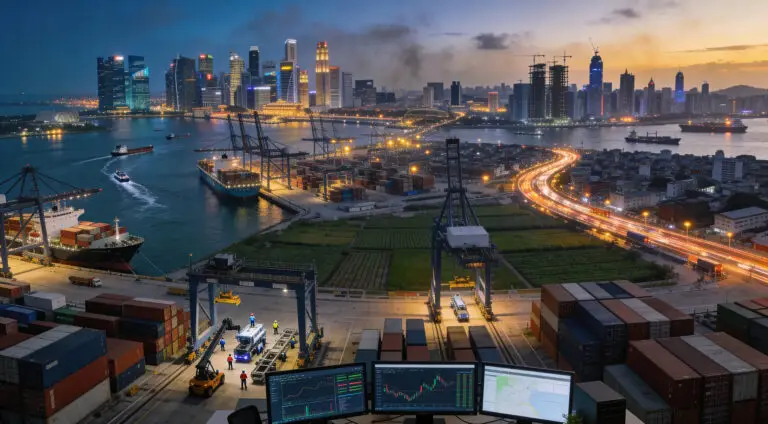
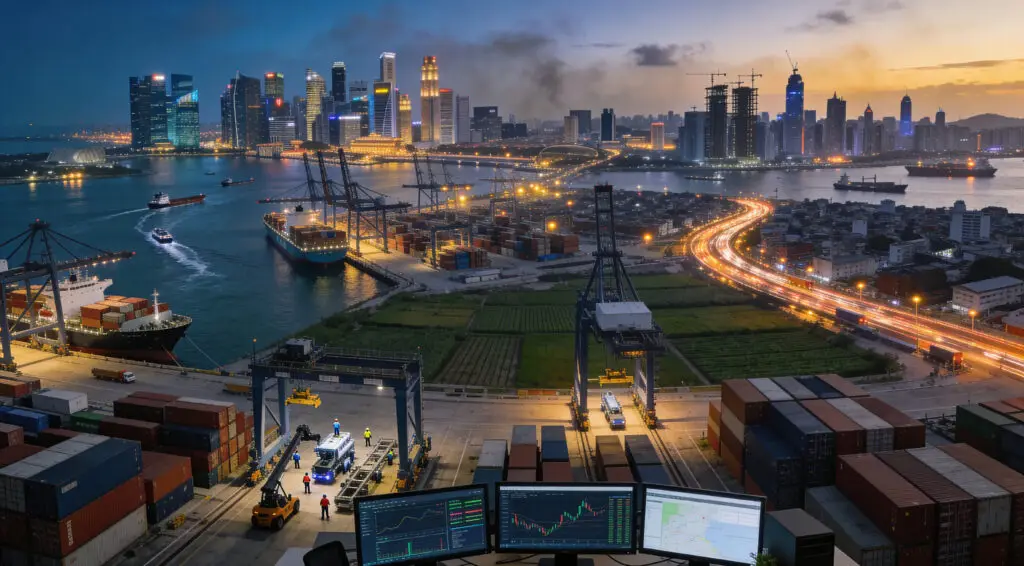
Manufacturing and trade were the main stabilizers in 2025. China reported a record trade surplus of nearly $1.2 trillion, driven by strong shipments to non-U.S. destinations as firms sought to offset tariff pressure from Washington.
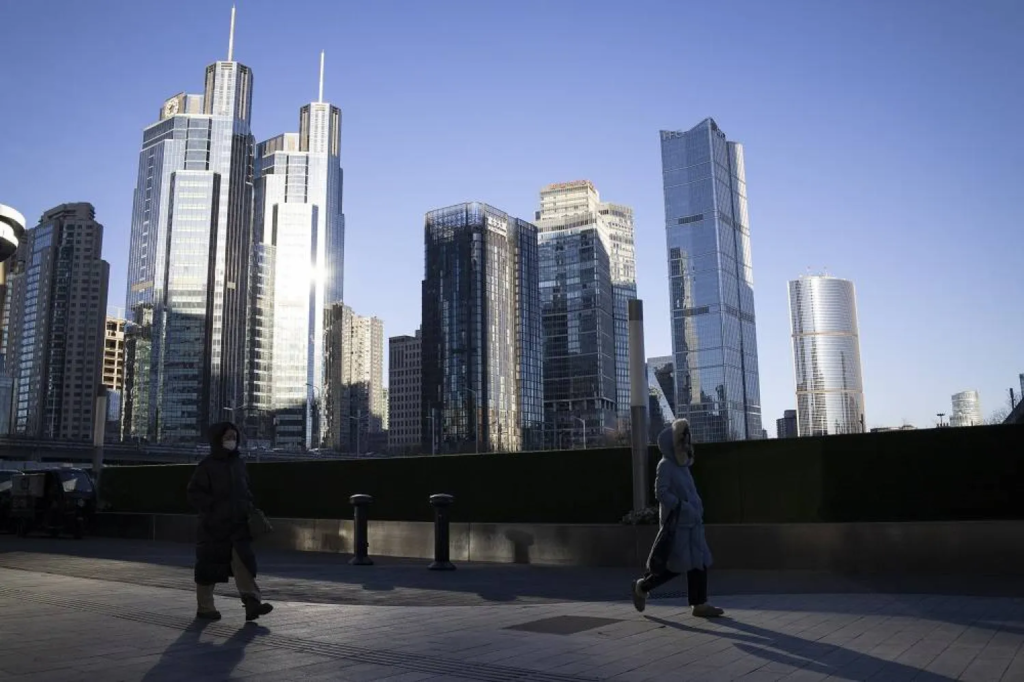
That export strength, however, highlights a growing imbalance. Domestic demand remains subdued, with consumption and private investment weighed down by a prolonged property slump and lingering deflationary pressures, leaving growth increasingly dependent on external markets.
Recommended Article: Iran Turns to Turkey as Trump’s Military Threats Push Region Toward Brink
Trade Tensions and Trump Factor
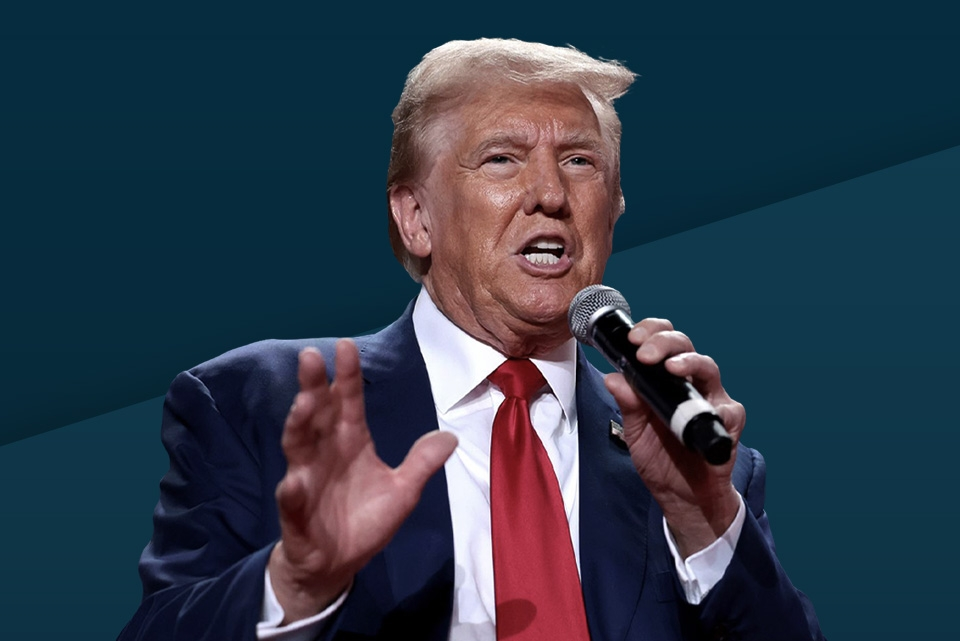
Looking ahead, economists warn that global trade protectionism could intensify headwinds. Policy uncertainty tied to Donald Trump’s administration—including threats of broad tariffs on countries trading with Iran—adds to the risk outlook for 2026.
A separate Reuters poll forecasts China’s growth easing to around 4.5% next year, increasing pressure on Beijing to deliver stronger policy support while navigating geopolitical constraints and technology-related frictions with the United States.
Policy Support Ramps Up Cautiously
Chinese leaders have pledged to maintain a “proactive” fiscal stance in 2026, with growth targets again expected near 5%. The central bank has already moved to support demand, cutting sector-specific interest rates and signaling openness to further reserve-requirement and benchmark rate reductions.
Analysts caution that near-term effects may be limited. ANZ economists note that the current policy package could leave growth weak in early 2026, suggesting more forceful measures may be required if domestic demand fails to recover.
Structural Imbalances Weigh on Households
Beyond cyclical issues, deeper structural challenges persist. Nominal GDP growth is estimated at about 4.0% in 2025—the slowest since the mid-1970s outside the pandemic—while the GDP deflator has remained negative since 2023, signaling excess supply and weak pricing power.
Beijing has vowed to raise household consumption’s share of the economy toward 45% by 2030, from roughly 40% today. Achieving that shift will require higher household incomes, a stronger social safety net, and a stabilization of property markets that have eroded household wealth.
Consumption Lags as Industry Improves
Incoming data underscore the uneven recovery. December retail sales are forecast to grow just 1.2% year-on-year, the weakest since late 2022, while factory output is expected to accelerate to about 5.0%.
Economists from S&P Global Ratings warn that excess supply and lagging domestic demand are squeezing profits and intensifying international trade frictions as firms push exports to escape fierce competition at home.
A Fragile Path Forward
China enters 2026 having met its headline growth goal, but the composition of that growth remains fragile. Strong exports have masked softness at home, while demographic pressures, property stress, and geopolitical uncertainty complicate the policy mix.
The challenge for Beijing will be to pivot toward consumption-led growth without destabilizing employment or financial markets—an increasingly delicate balancing act as global trade risks mount and structural reforms grow more urgent.