Inflation Trends Shape Consumer Confidence
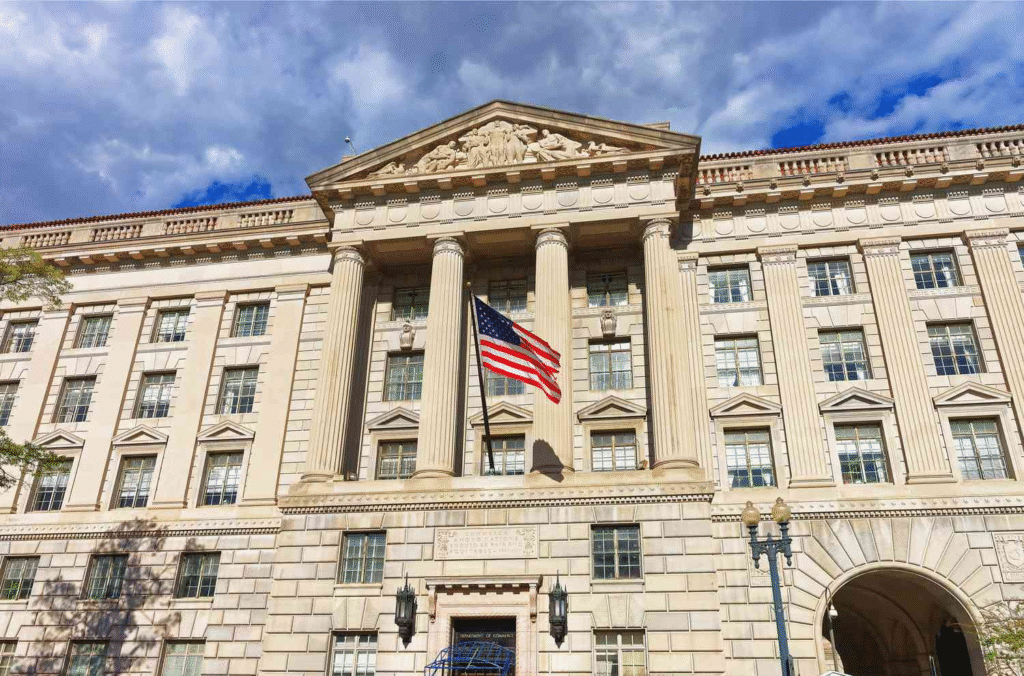
New data from the Commerce Department shows inflation remains elevated, but importantly, it is not accelerating. That stabilization offers a modest sense of relief for households still navigating higher prices for essentials like groceries, fuel, and rent. Despite lingering cost pressures, many Americans are reassessing how rising prices affect their holiday purchasing plans this year.
Consumers are increasingly attentive to month-to-month trends, and the absence of worsening inflation may help temper anxieties. While prices are not falling, the slowdown in their upward trajectory provides a slightly more predictable environment. This stability influences how households plan and budget as they head into the busiest spending season of the year.
Fed Rate Cuts Signal Shift in Economic Policy
The Federal Reserve is widely expected to cut interest rates next week by another quarter percentage point. Such a move reflects policymakers’ belief that inflation is gradually cooling, even if it remains above the preferred target. A rate cut would lower borrowing costs and potentially ease financial pressure on households carrying credit card balances or adjustable-rate loans.
Lower rates could also stimulate more consumer activity, especially for big-ticket items like cars and appliances. For many households, the expectation of a shift in monetary policy contributes to a cautious sense of optimism, even as economic signals remain mixed across sectors.
Holiday Shoppers Balance Optimism and Restraint
As the holiday season approaches, consumers are demonstrating a blend of enthusiasm and caution. Many families still intend to participate in traditional holiday shopping, travel, and gatherings, but with more mindful spending habits. Bargain-hunting is more aggressive this year, with shoppers waiting for promotions and comparing prices across multiple retailers.
Retailers are responding with targeted discounts and earlier-than-usual sales to capture limited discretionary spending. This tug-of-war between consumer budget constraints and retailer strategies is shaping a holiday landscape defined by careful decision-making rather than impulsive purchasing.
Recommended Article: Thai Economy Faces Severe Risks in 2026 as Growth Threatens…
Wage Growth Slows While Living Costs Stay High
While the labor market remains relatively stable, wage growth has slowed in recent months. Earnings are no longer rising quickly enough to offset price increases, leaving many households feeling squeezed. Middle- and lower-income families are especially sensitive to the ongoing mismatch between wages and costs.
For wealthier households, accumulated savings and strong investment gains help cushion the impact of inflation. This widening divergence contributes to varying perceptions of the economy, influencing how different groups approach holiday spending.
Savings Levels and Credit Use Drive Behavior
Americans’ ability to weather economic uncertainty increasingly depends on their financial buffers. Many households depleted savings during the past two years of inflation, making them more dependent on credit cards. As borrowing becomes costlier—despite anticipated rate cuts—high credit balances limit spending flexibility.
Still, some consumers have rebuilt modest savings, allowing them to participate in holiday events, though often at reduced levels. The balance between available credit and savings is playing a major role in shaping seasonal spending patterns.
Retailers Adjust Expectations for Seasonal Sales
Retailers are closely watching how consumer sentiment translates into real purchasing behavior. With inflation moderating but not retreating, companies anticipate steady but subdued holiday sales. Inventory strategies have become more conservative, with many retailers ordering fewer items to avoid excess stock.
Some sectors—such as electronics and home goods—expect softer demand, while others—such as travel, dining, and entertainment—are seeing renewed momentum. Seasonal hiring has also been more selective, signaling tempered expectations for last-minute shopping surges.
Consumers Look Ahead to 2026 With Mixed Feelings
As 2025 draws to a close, Americans are cautiously assessing the year ahead. Many believe the worst inflation spikes are behind them, but uncertainty remains about how long prices will stay elevated. Interest rate cuts could support stronger consumer confidence, yet global economic conditions, supply-chain pressures, and political events all contribute to unpredictable sentiment.
Overall, consumers feel neither overly optimistic nor deeply pessimistic. Instead, they are approaching the holidays with realism—balancing tradition and celebration with practical financial choices as they look toward 2026.