Oil Prices Near 100 Dollars Impact Economic Outlook
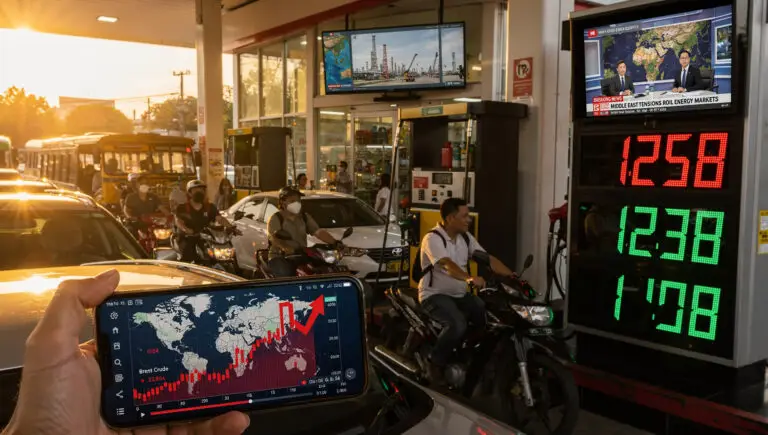
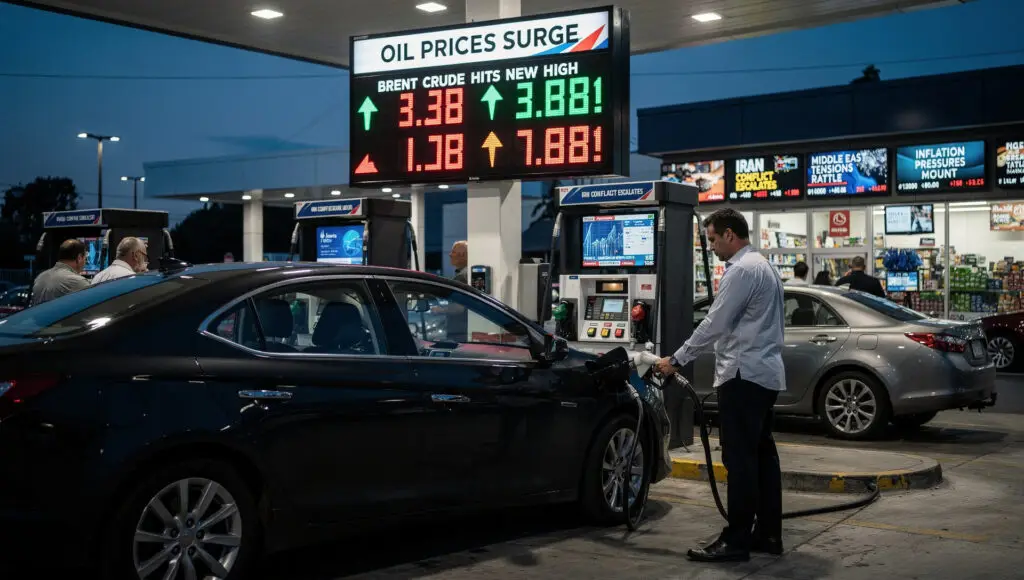
Oil prices approaching $100 per barrel are creating new challenges for the US economy. Rising energy costs are beginning to influence both consumer behavior and business activity.
Higher oil prices increase transportation and production costs across multiple industries. These effects can slow economic growth by reducing overall demand.
Although the United States is now a modest net energy exporter, the impact of higher prices remains significant. Consumers still face increased costs that affect spending patterns.
Consumer Spending Faces Pressure From Energy Costs
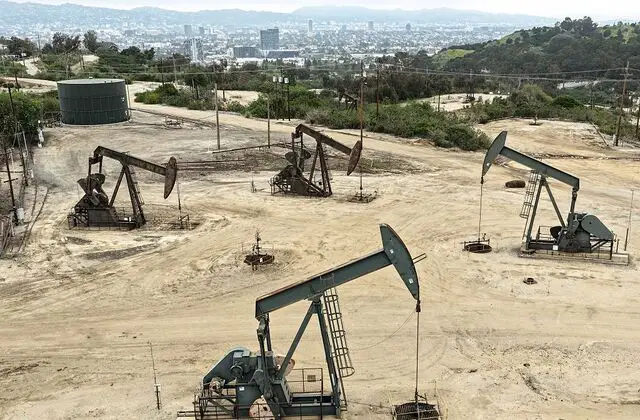
As fuel prices rise, households are forced to allocate more income toward energy expenses. This reduces the amount available for other goods and services.
Lower discretionary spending can weaken economic growth in the short term. Retail, travel, and entertainment sectors are particularly sensitive to such changes.
The overall effect is a shift in consumption patterns that can slow economic momentum. This trend is closely monitored by policymakers and economists.
Energy Sector Gains Offset Some Economic Losses
Higher oil prices can benefit domestic energy producers by increasing revenues and profitability. This creates a partial offset to the negative impact on consumers.
Increased activity in the energy sector can support job creation and investment. Regions with strong oil production may experience economic gains.
Over time, these positive effects can balance some of the initial economic pressure. However, the benefits are unevenly distributed across the economy.
Inflation Pressures Rise With Energy Costs
Rising oil prices contribute directly to higher inflation levels. Energy is a key component of overall price indices used to measure inflation.
As costs increase, businesses may pass these expenses on to consumers through higher prices. This can lead to broader inflationary pressures across the economy.
Persistent inflation can reduce purchasing power and create challenges for economic stability. It also influences central bank policy decisions.
Federal Reserve Faces Policy Dilemma
The Federal Reserve must balance controlling inflation with supporting economic growth. Rising energy prices complicate this decision-making process.
If inflation remains high, the Fed may consider maintaining or increasing interest rates. Higher rates can help control inflation but may slow economic activity.
Alternatively, easing monetary policy could support growth but risk further inflation. This creates a complex policy environment for decision-makers.
Oil Prices Must Rise Further To Trigger Rate Hikes
Economists suggest that oil prices would need to rise significantly above current levels to prompt aggressive policy changes. Sustained prices near $150 per barrel could have a stronger impact.
Short-term increases may not be enough to force immediate action from the Federal Reserve. Policymakers often look for sustained trends before adjusting policy.
This cautious approach reflects the need to balance competing economic priorities. It also highlights uncertainty in the current environment.
Long Term Effects Depend On Price Stability
The long-term impact of oil prices on the US economy will depend on how stable prices remain. Temporary spikes may have limited effects, while sustained increases could be more significant.
Stable energy markets support predictable economic conditions and planning. Volatility, on the other hand, introduces uncertainty and risk.
As global events continue to influence oil prices, monitoring trends will be essential. The outcome will shape economic growth and policy decisions in the coming years.