

Oil Price Surge Sends Shock Through Global Markets
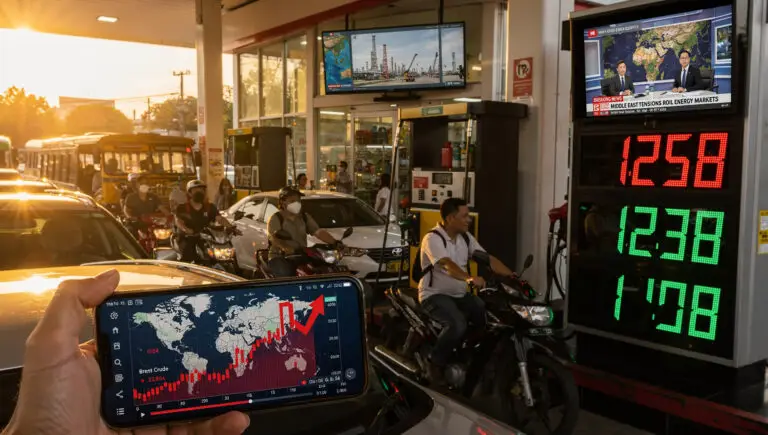
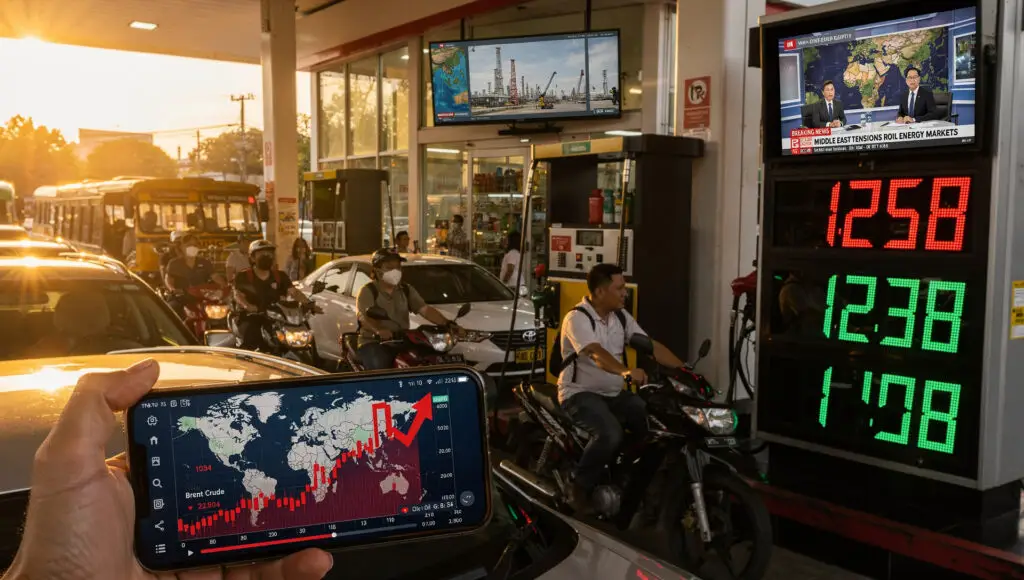
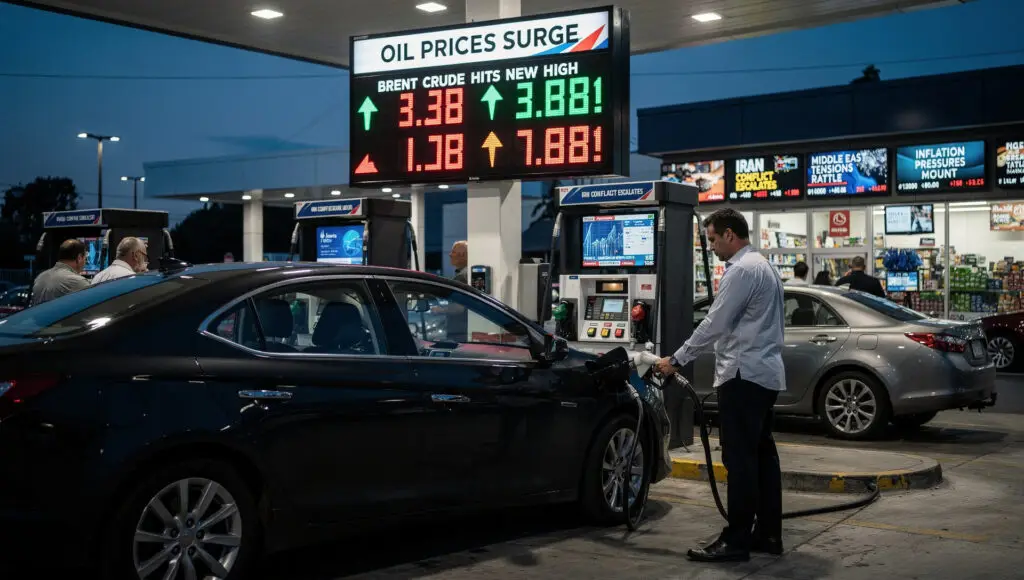
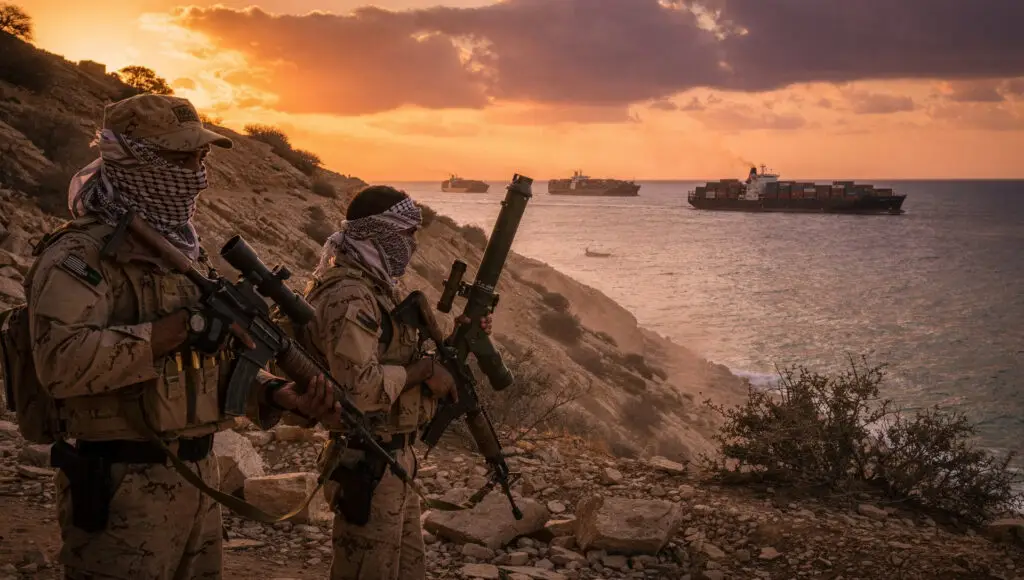
The global economy is facing renewed pressure as oil prices surge following escalating tensions in the Middle East. Energy markets reacted sharply after military developments involving Iran raised fears of supply disruptions across key shipping routes.
Oil shocks historically create difficult conditions for policymakers because they slow economic growth while increasing inflation. This combination complicates central bank efforts to maintain stability in financial markets and consumer spending.
The latest surge comes at a time when many economies were already showing signs of slowing momentum. As a result, analysts warn the current energy shock could intensify existing economic vulnerabilities.
Inflation Was Already Proving Difficult to Control
Before the recent oil spike, inflation had already remained stubbornly high across several major economies. Despite aggressive monetary tightening by central banks, price pressures have persisted in key sectors.
Higher fuel costs can quickly spread across the broader economy because transportation and manufacturing depend heavily on energy. When oil prices rise sharply, businesses often pass those higher costs on to consumers.
This process can lead to sustained inflation even when demand begins to weaken. As a result, policymakers face the difficult challenge of balancing growth concerns with the need to control rising prices.
Consumer Spending Shows Signs of Weakening
Economic data from several countries suggests that consumer spending has already begun slowing. Rising borrowing costs and persistent inflation have reduced household purchasing power.
Higher gasoline prices could further strain consumer budgets, particularly in economies heavily dependent on automobile travel. For many households, fuel expenses represent one of the most immediate impacts of energy price increases.
If consumers cut back on discretionary spending, businesses across retail, travel, and hospitality sectors could experience declining revenues. This slowdown may contribute to weaker economic growth in the coming months.
Central Banks Face Difficult Policy Decisions
Central banks now face complicated decisions about future monetary policy. Traditionally, higher interest rates are used to control inflation by reducing demand across the economy.
However, raising rates too aggressively during an energy-driven slowdown could increase recession risks. Policymakers must therefore carefully assess whether inflation is being driven by supply shocks or excessive demand.
In recent years, central banks have struggled to navigate this balance. The current oil shock may force them to reconsider the pace and scale of future interest rate adjustments.
Energy Markets React to Middle East Conflict
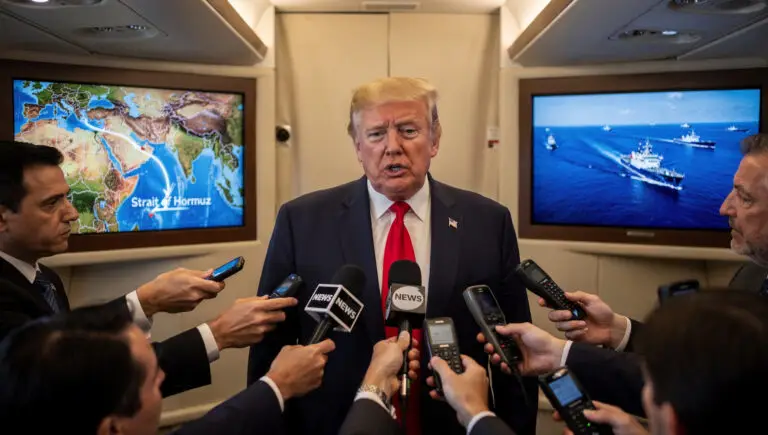
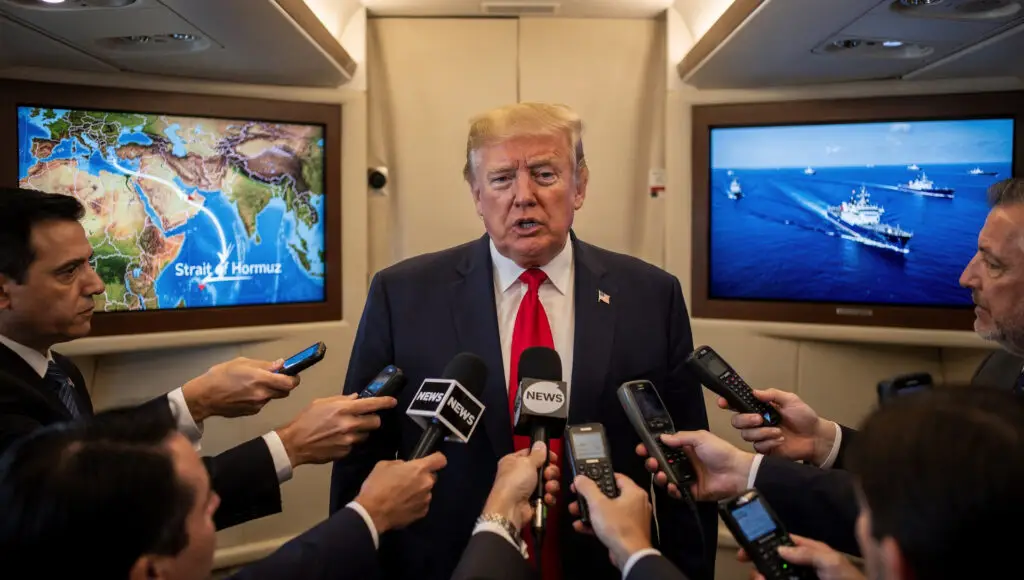
Energy traders are closely monitoring developments in the Middle East, particularly around strategic oil infrastructure and shipping routes. Any disruption in these areas could significantly reduce global oil supply.
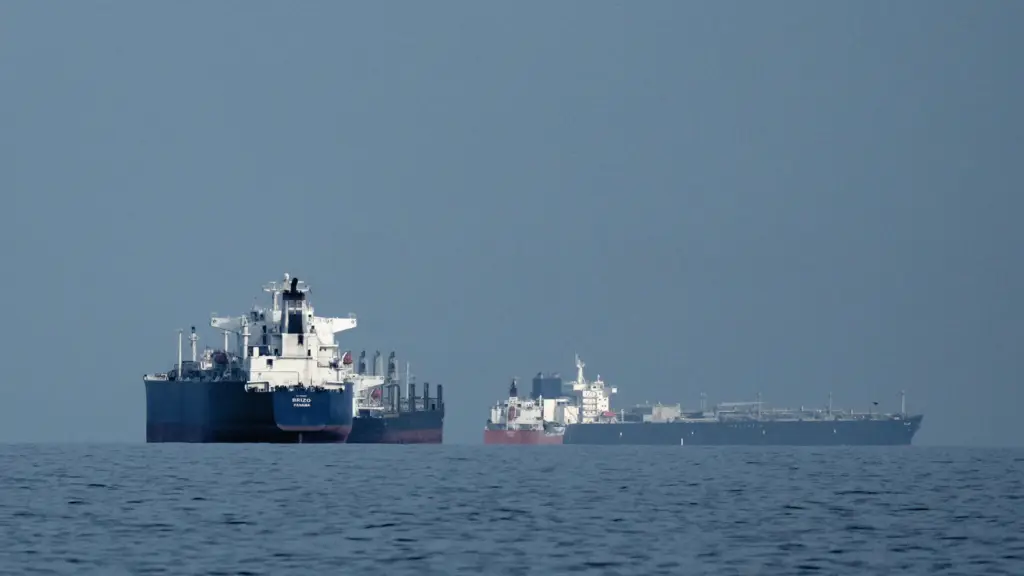
The Strait of Hormuz remains one of the most important chokepoints for global energy transportation. A substantial portion of the world’s crude oil shipments passes through this narrow waterway each day.
If tensions escalate further, the risk of shipping disruptions could push oil prices even higher. Such a scenario would intensify inflationary pressure across the global economy.
Financial Markets Show Rising Volatility
Financial markets have already begun reacting to the uncertainty created by rising energy prices. Investors are adjusting portfolios as they attempt to anticipate the economic consequences of sustained oil shocks.
Equity markets often struggle during periods of rising energy costs because corporate profit margins become squeezed. Companies must either absorb higher operating expenses or pass them on to consumers.
At the same time, some sectors such as energy producers may benefit from higher commodity prices. This divergence can create sharp volatility across different industries and stock indices.
Economic Outlook Becomes Increasingly Uncertain
The combination of slow growth and rising energy prices has created a challenging environment for economists and policymakers. Predicting how long the current oil shock will last remains extremely difficult.
Much depends on geopolitical developments and whether tensions in the Middle East escalate or stabilize. Even small disruptions in oil supply can significantly influence global markets.
For now, analysts warn that the global economy may face a prolonged period of uncertainty. If oil prices remain elevated, growth could slow further while inflation continues to pressure households and businesses worldwide.