

Economic Growth Persists Despite Headwinds
The U.S. economy has continued expanding through 2025, defying repeated predictions of an imminent slowdown. Despite trade disruptions, elevated tariffs, and a cooling labor market, growth has outpaced most other advanced economies.
Economists point to a resilient consumer sector as the primary engine. American households have continued spending even as sentiment surveys reflect pessimism about inflation and long-term economic prospects.
Consumers Spend Through Economic Anxiety
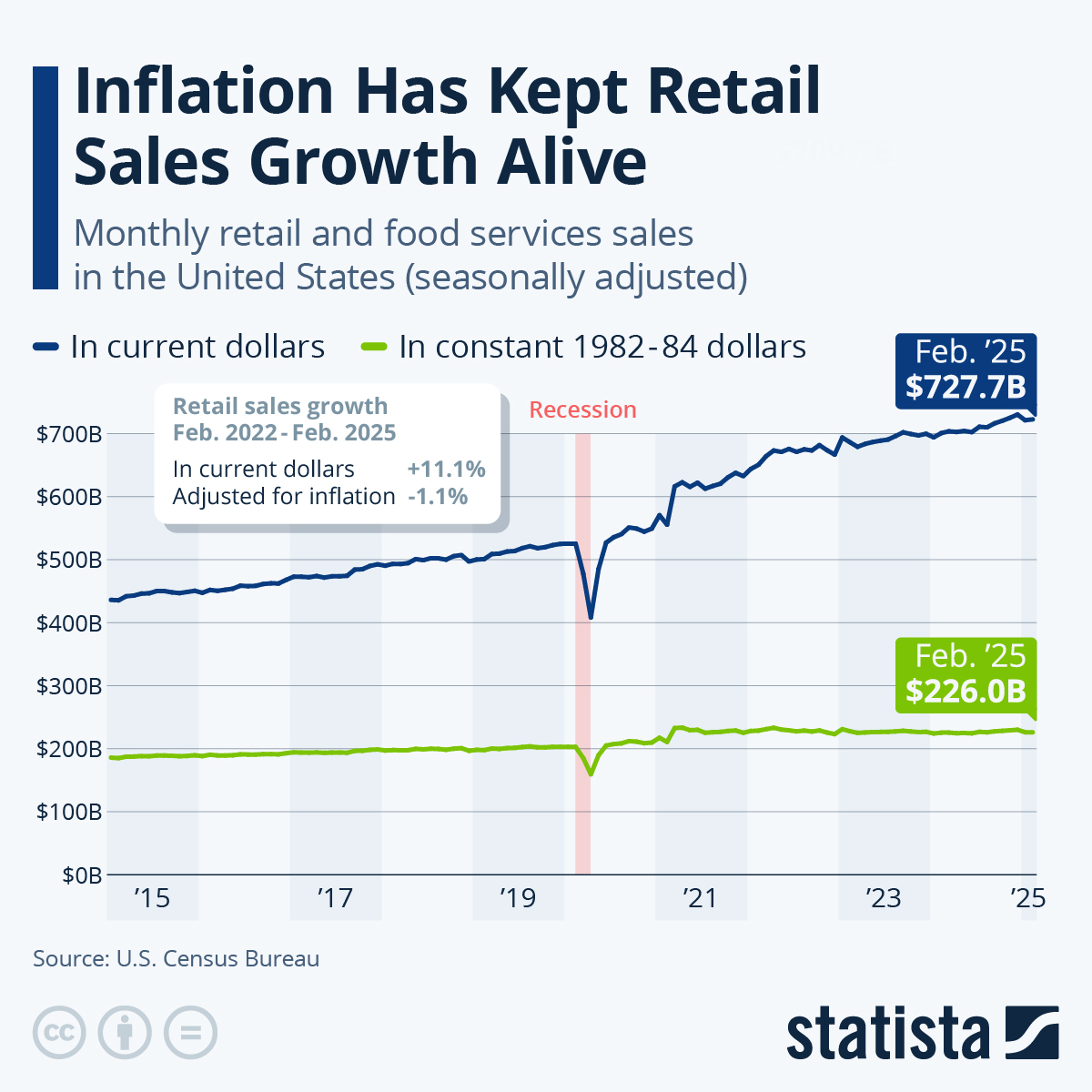
Household spending has remained robust despite high prices and lingering dissatisfaction over cost-of-living pressures. Retail sales, travel, and service consumption have all exceeded expectations, cushioning the economy against external shocks.
This behavior highlights a disconnect between consumer sentiment and actual spending. While surveys suggest frustration and caution, real-world purchasing patterns tell a different story.
Labor Market Softens Without Collapsing
The job market has cooled compared with previous years, particularly in manufacturing sectors affected by tariffs. Tens of thousands of factory jobs were lost during 2025, underscoring the cost of trade policy shifts.
However, layoffs have been concentrated rather than widespread. Wage growth remains positive, and service-sector employment has helped offset industrial losses, preventing a broader labor downturn.
Recommended Article: China’s Economy Faces Structural Strain Heading Into 2026
AI Investment Drives Business Expansion
Another major growth driver has been unprecedented investment in artificial intelligence infrastructure. Companies have poured capital into data centers, cloud computing, and advanced networking to support AI development.
These investments have created a powerful counterbalance to trade-related weakness. Construction, engineering, and technology services linked to AI expansion have generated significant economic activity.
Tariffs Reshape, Not Derail, the Economy
Trade policies implemented in recent years have altered supply chains and pricing dynamics but have not derailed growth. Instead, the economy has adjusted through higher domestic investment and shifts in consumption patterns.
While tariffs have raised costs for some industries, they have also accelerated automation and reshoring efforts, particularly in advanced manufacturing sectors.
Comparisons Favor the United States
Compared with Europe and parts of Asia, the U.S. economy has shown greater resilience. Strong domestic demand has insulated growth from external slowdowns affecting export-oriented economies.
This divergence has reinforced the United States’ role as a global growth leader, even as fiscal and trade policies remain contentious.
Risks Remain Beneath the Surface
Despite current strength, economists caution that vulnerabilities persist. Elevated interest rates, rising consumer debt, and geopolitical uncertainty could still challenge growth momentum in 2026.
The sustainability of consumer spending will depend on continued income growth and labor market stability. Any sharp deterioration in employment could quickly shift spending behavior.
Confidence in Momentum, Not Complacency
Policymakers and investors increasingly acknowledge the economy’s adaptability. However, confidence has not translated into complacency, with many monitoring signs of fatigue in both households and businesses.
For now, the U.S. economy continues to outperform expectations. Whether that resilience holds into the next year will depend on how consumers, companies, and policymakers navigate mounting structural pressures.