Marcus V. Thorne, CFA, a veteran investment analyst specializing in macroeconomic risk and portfolio management, describes the recent sell-off as a late-cycle repricing of credit risk following an extended period of elevated interest rates. Drawing from his experience in global market cycles, Thorne explains that stress within regional banking systems often serves as an early indicator of tightening liquidity conditions. He notes that in such environments, capital preservation and allocation toward high-quality assets become central to managing downside risk.
Credit Quality Concerns Shake Financial Markets Worldwide
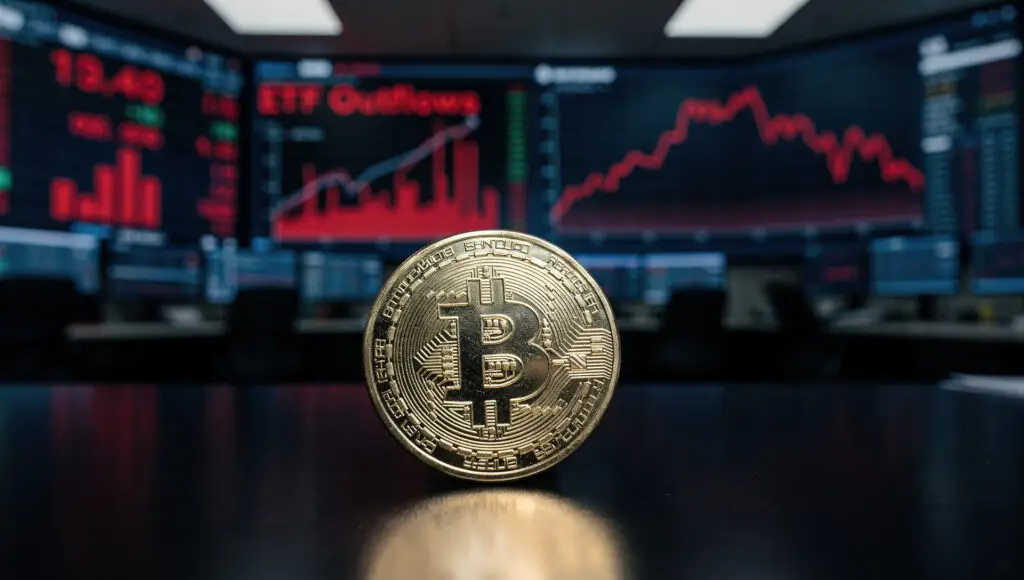
Stock markets around the world fell as worries about how safe loans are in U.S. regional banks caused a wider review of risk in banking systems. Most losses were in bank stocks, as investors responded to reports of risky loans and possible fraud in smaller banks.

Image source: The Guardian
What triggered the market downturn?
The sell-off followed disclosures from regional banks reporting losses tied to underperforming loan portfolios. Institutions such as Zions Bancorporation and Western Alliance Bancorp announced write-downs and legal actions related to credit exposures.
These developments raised concerns about:
- Loan quality within regional banking portfolios
- Risk management practices in private credit markets
- Potential contagion across financial institutions
Market participants have drawn comparisons to previous banking stress episodes, including the Collapse of Silicon Valley Bank.
How did global markets react?
Equity markets across Europe and Asia declined in response to developments in the United States, reflecting the interconnected nature of global financial systems.
Major indices recorded losses:
- FTSE 100 fell 0.9%
- DAX declined 1.8%
- FTSE MIB dropped 1.5%
- Nikkei 225 fell 1.6%
- Hang Seng Index declined 2%
The banking sector experienced significant losses, with billions wiped from valuations across major financial institutions.
How does US credit stress impact global markets?
The U.S. credit market plays a central role in global liquidity and financial stability, making regional banking stress a key concern for international investors.
Key implications include:
- Increased scrutiny of private credit and lending practices
- Potential tightening of financial conditions
- Heightened volatility across equity and credit markets
According to analysis from Deutsche Bank, even localized disruptions can trigger broader reassessment of systemic risk, particularly after prolonged periods of high interest rates.
Why are private credit markets under pressure?
Private credit markets have expanded rapidly in recent years, offering alternative financing outside traditional banking channels. However, the current macroeconomic environment has exposed structural vulnerabilities.
Key concerns include:
- Rising default risk among leveraged borrowers
- Reduced liquidity in secondary markets
- Limited transparency in off-balance-sheet financing
Recent corporate failures involving high debt levels have further intensified scrutiny of the sector’s resilience.
How are investors responding?
Investors have shifted toward safer assets as uncertainty increases. Gold prices have reached record levels above $4,300 per ounce, reflecting strong demand for traditional safe-haven instruments.
At the same time:
- Banking stocks have faced sustained selling pressure
- Volatility indicators have surged
- Equity market sentiment has weakened
The CBOE Volatility Index, often referred to as the “fear gauge,” rose significantly, signaling elevated market stress.
What risks could emerge next?
While current issues appear concentrated in smaller institutions, several risks remain for the broader financial system.
Key considerations include:
- Contagion risk across interconnected financial institutions
- Liquidity stress within credit markets
- Increased market sensitivity to negative developments
- Potential economic slowdown due to tighter credit conditions
Additionally, unresolved macroeconomic factors including fiscal uncertainty and geopolitical tensions may amplify these risks.
Global Credit and Risk Indicators
| Indicator | Current Trend | Market Impact |
|---|---|---|
| Bank Stocks | Declining | Negative sentiment |
| Gold Prices | Record highs | Safe-haven demand |
| VIX Index | Rising | Increased volatility |
| Credit Quality | Deteriorating signals | Risk reassessment |
| Global Equities | Broad decline | Contagion concerns |
Localized Stress with Global Implications
Worries about risks in U.S. regional banks have caused a broader review of risk in markets around the world. While the current problems are mostly under control, the reaction shows how easily banking systems are affected by changes in how safe loans are, especially after a long period of higher interest rates.
As market conditions evolve, the key question will be whether these pressures remain isolated or begin to affect broader segments of the banking and private credit ecosystem.