Marcus V. Thorne, CFA, a veteran investment analyst specializing in macroeconomic trends and portfolio risk management, views the current equity rebound as a dual-driven repricing event. In our analysis of similar market cycles, rallies fueled by both technological optimism and monetary easing expectations tend to be powerful but highly sensitive to policy shifts and earnings execution. While short-term momentum is supportive, elevated valuations and macro uncertainty introduce downside risk if expectations are not met.
US Equity Rally Driven by AI Optimism and Rate Cut Expectations
U.S. equities are rebounding, but market behavior suggests the rally is being driven by a fragile combination of AI optimism and renewed expectations of interest rate cuts. Based on recent commentary from officials at the Federal Reserve and observed market pricing, the latest move in major indices reflects a repricing of growth expectations rather than a confirmed trend reversal.
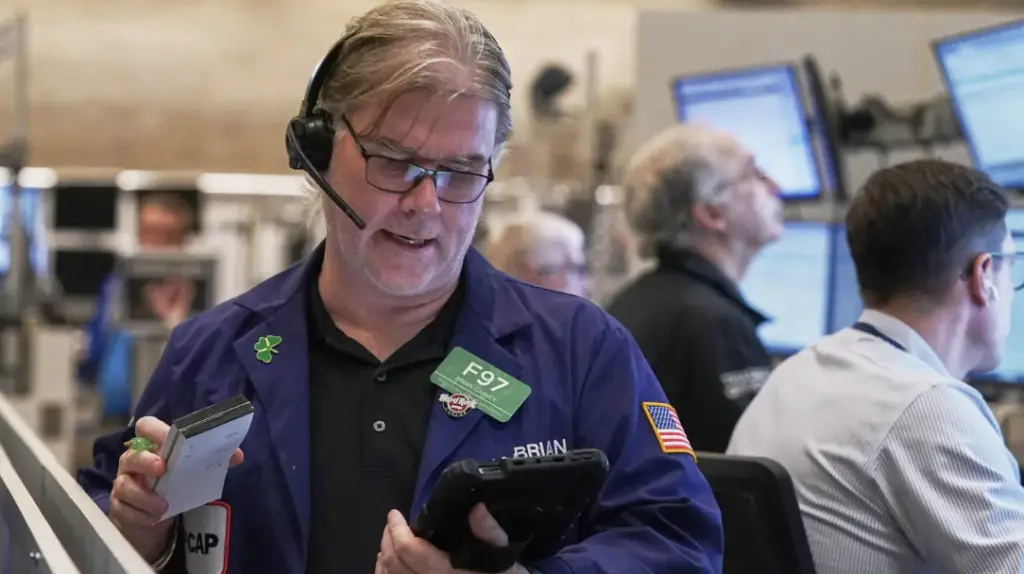
Image source: Fortune
Why did US stocks rally in the latest session?
The rebound followed a rapid shift in sentiment after recent volatility, with investors reassessing both macro risks and sector-specific opportunities.
In our observation of current market behavior:
- Technology stocks led gains following positive developments in AI-related products and services
- Investors reassessed earlier concerns about an AI-driven valuation bubble
- Market pricing indicates renewed expectations for potential rate cuts following recent Federal Reserve commentary
Companies such as Alphabet Inc. played a central role, with strong AI product reception contributing to broader sector momentum.
Primary drivers of the rebound:
- Positive AI sentiment restoring confidence in large-cap technology valuations
- Federal Reserve signals supporting the possibility of policy easing
- Short-term repositioning after recent market pullback
- Momentum-driven buying in mega-cap technology stocks
Is the AI trade stabilizing or entering a new phase?
In our evaluation, the AI trade is not weakening but transitioning into a more selective phase. Early concerns centered on valuation excess and delayed profitability, but recent developments suggest continued investor commitment to the theme.
Market behavior indicates a shift from broad enthusiasm to targeted positioning.
Key market signals:
- AI remains a dominant long-term growth narrative
- Short-term volatility reflects valuation recalibration rather than structural decline
- Strong product execution continues to drive stock-specific performance
However, concentration risk remains elevated, with a limited number of companies driving a disproportionate share of gains.
How do Fed expectations influence equity momentum?
Federal Reserve policy expectations are now the second major driver of the current rally. Comments from policymakers, including Christopher Waller and John Williams, have contributed to increased market expectations for potential easing.
In our analysis of macro transmission mechanisms:
- Lower interest rate expectations reduce discount rates applied to future earnings
- Growth-oriented sectors benefit disproportionately from valuation expansion
- Equity risk appetite improves as policy uncertainty declines
This interaction between AI optimism and monetary expectations creates a reinforcing cycle supporting short-term market momentum.
Transmission effects on markets:
- Growth stocks outperform due to lower discount rates
- Bond yields adjust downward in anticipation of easing
- Equity risk appetite strengthens, particularly in technology-heavy indices
- Market volatility declines as policy expectations stabilize
Market Drivers and U.S. Equity Impact Framework
Based on Federal Reserve signals, macroeconomic data trends, and observed equity market behavior, the following framework summarizes the key drivers influencing current market performance.
| Indicator | Current Signal | Market Impact (US Equities) |
|---|---|---|
| AI Sector Sentiment | Rebounding | Technology stocks leading gains |
| Fed Rate Expectations | Easing bias | Valuation expansion |
| Labor Market Conditions | Gradual softening | Supports easing narrative |
| Inflation Signals | Mixed | Sustains policy uncertainty |
| Tech Valuations | Elevated | Increased correction risk |
| Trading Volume | Moderately lower | Potential short-term volatility |
Do AI bubble concerns still pose a risk?
The recent rally does not eliminate structural concerns, it postpones them. In our assessment, the balance between long-term growth potential and near-term valuation risk remains unresolved.
Persistent risks include:
- Capital expenditure in AI outpacing near-term revenue realization
- Elevated valuations relative to earnings visibility
- Market concentration increasing downside exposure
This dynamic suggests that while the AI narrative remains intact, it is increasingly sensitive to execution outcomes.
How are global markets reacting relative to the US?
The divergence between U.S. and international markets is becoming more pronounced, reflecting differences in growth expectations and policy outlooks.
In our observation of global trends:
- European markets show mixed performance amid slower growth expectations
- Asian markets, particularly in technology-heavy regions, are more closely tracking U.S. momentum
- Global reliance on U.S. economic strength continues to shape overall sentiment
This reinforces the role of U.S. equities as the primary driver of global market direction.
What should investors monitor going forward?
The sustainability of the rally is increasingly data-dependent. Investors are closely watching macroeconomic indicators and corporate performance to determine whether current momentum can be maintained.
Key factors to monitor include:
- Upcoming inflation data and labor market indicators
- Federal Reserve policy decisions and forward guidance
- Earnings performance of AI-driven technology companies
In our view, the current rally reflects a recalibration of expectations rather than a definitive trend shift. Its continuation will depend on whether macro conditions and corporate results align with elevated market expectations.
Momentum Builds but Risks Remain Elevated
The current U.S. equity rally reflects a powerful combination of AI-driven optimism and expectations of monetary easing. While this dual-driver dynamic supports short-term gains, it also introduces fragility, as both factors are highly sensitive to policy signals and earnings outcomes.
In our analysis, the key risk lies in the gap between expectations and execution. If economic data or corporate performance fails to justify elevated valuations, the same forces driving the rally could quickly reverse, reinforcing the importance of disciplined, risk-aware investment positioning.