

Ankara Emerges as Last-Minute Diplomatic Hub
Iran has turned to Turkey for emergency mediation as the risk of a direct military confrontation with the United States grows. Ankara’s role reflects both its geographic proximity and its ability to maintain dialogue with adversarial powers when traditional diplomatic channels collapse.
Turkey’s leadership has positioned itself as a stabilizing intermediary, attempting to slow escalation at a moment when rhetoric and military signaling are intensifying across the Middle East.
Abbas Araghchi Leads Iran’s Diplomatic Push
Iranian Foreign Minister Abbas Araghchi is traveling to Ankara to explore pathways that could avert military action. His visit signals Tehran’s recognition that time is narrowing as threats from Washington become increasingly explicit.
Araghchi’s mission is delicate. He must reassure regional partners that Iran is open to diplomacy while avoiding concessions that could be perceived domestically as weakness under pressure.
Recommended Article: US Senate Rejects Shutdown Vote as Immigration Clash Escalates Under Trump
Donald Trump Escalates Pressure With Military Signals
US President Donald Trump has amplified tensions by openly referencing military assets deployed toward Iran. His comments have combined threats with hints of dialogue, a dual approach that has left allies and adversaries uncertain about Washington’s true intentions.
Trump’s strategy appears designed to maximize leverage. By keeping the possibility of force visible, the administration seeks to extract concessions without committing to formal negotiations that could limit its flexibility.
Recep Tayyip Erdoğan Positions Turkey as Mediator
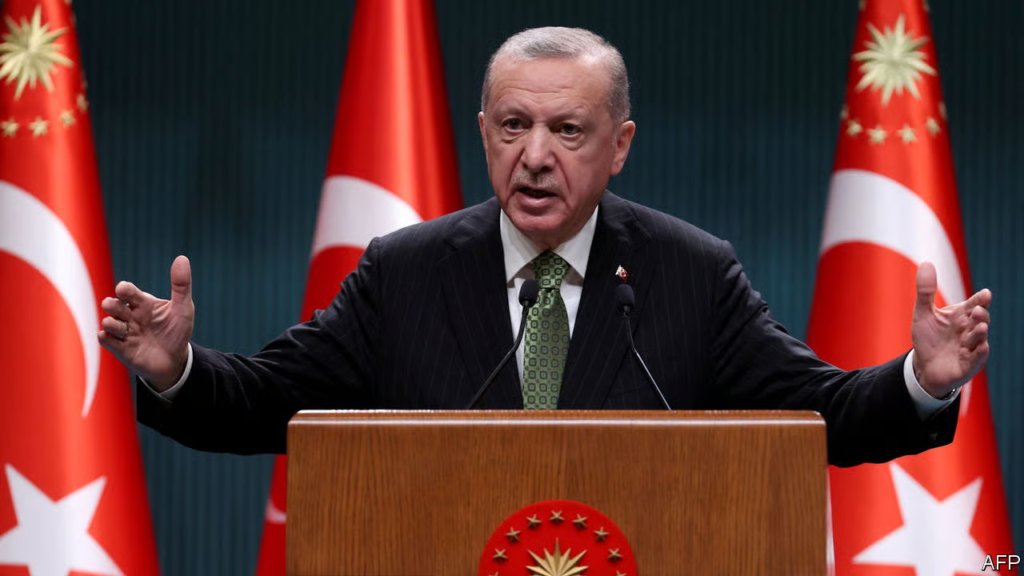
Turkish President Recep Tayyip Erdoğan has proposed unconventional diplomacy, including the possibility of direct or virtual talks between US and Iranian leaders. Such proposals appeal to Trump’s transactional style but clash with Iran’s preference for indirect engagement.
Erdoğan’s involvement reflects Turkey’s broader ambition to assert diplomatic relevance amid shifting regional power dynamics. Successfully mediating even a temporary de-escalation would significantly enhance Ankara’s standing.
Nuclear Demands Complicate Any Agreement
At the center of the standoff is Iran’s nuclear program. US officials have reiterated demands for limits on uranium enrichment, missile development, and support for regional proxy groups. These conditions represent red lines for Tehran, making rapid compromise politically risky.
Iranian leaders argue that compliance under threat would undermine national sovereignty. Yet continued defiance raises the probability of military action, creating a narrow corridor for negotiated restraint.
Regional Actors Prepare for Fallout
The prospect of conflict has alarmed neighboring states, many of which fear being drawn into a wider war. Gulf countries have quietly signaled they do not want their airspace used for strikes, reflecting concerns about retaliation and economic disruption.
Israel and Saudi Arabia remain closely engaged with Washington, underscoring how regional rivalries intersect with the US-Iran standoff. Any miscalculation could rapidly expand the conflict beyond bilateral confrontation.
Domestic Pressure Inside Iran Intensifies
Inside Iran, the leadership faces mounting internal pressure. Public frustration over economic hardship and political repression has not subsided, limiting the government’s room to maneuver diplomatically.
Calls for reform and accountability coexist with nationalist demands to resist foreign coercion. This polarization complicates Araghchi’s task, as any agreement must be framed as a strategic choice rather than capitulation.
Russia and Global Powers Urge Restraint
Moscow has urged both sides to keep diplomatic options open, warning that military escalation would destabilize energy markets and global security. Other international actors have echoed these concerns, emphasizing the broader consequences of conflict.
Despite these appeals, Turkey appears uniquely positioned to facilitate dialogue, given its working relationships with Washington, Tehran, and regional stakeholders.
High-Stakes Diplomacy Under Severe Time Pressure
The coming days will test whether diplomacy can outpace military planning. With US forces positioned and Iranian defenses on alert, the margin for error is thin.
Turkey’s mediation effort represents a final attempt to shift momentum away from confrontation. Whether it succeeds depends on both sides’ willingness to prioritize strategic stability over short-term leverage.
A Defining Moment for Regional Order
This episode may prove decisive for the Middle East’s future trajectory. A negotiated pause could open space for broader talks on security and nuclear issues. Failure, however, risks triggering a conflict whose consequences would reverberate far beyond Iran and the United States.
For now, diplomacy persists — fragile, urgent, and overshadowed by the threat of force — as Ankara becomes the focal point for efforts to prevent another regional war.