Strategic Importance Of The Strait Of Hormuz Explained
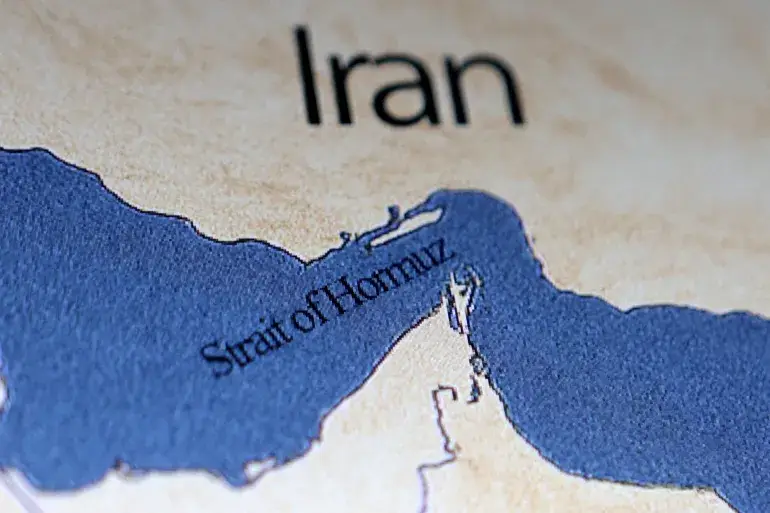
The Strait of Hormuz is one of the most critical maritime chokepoints in the global economy. It connects the Persian Gulf to international waters and supports massive daily oil shipments.
Roughly one-fifth of the world’s oil supply passes through this narrow waterway. Any disruption in this region has immediate consequences for global energy markets and trade.
Its geographic position makes it strategically vital for both regional and global powers. Control over the strait carries significant economic and military implications.
Rising Tensions Increase Risk Of Military Escalation
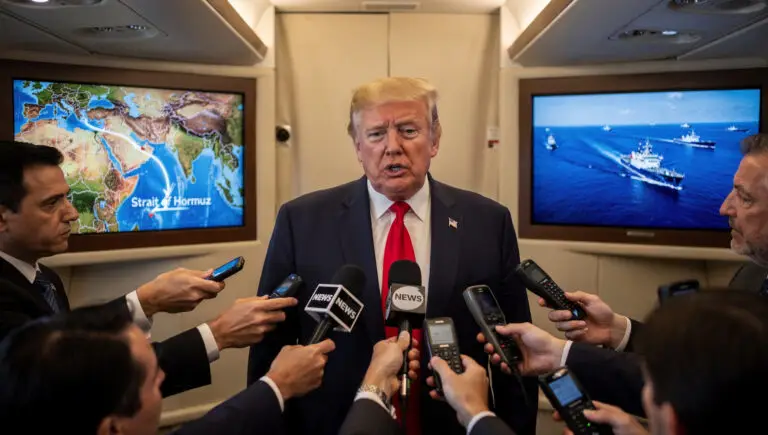
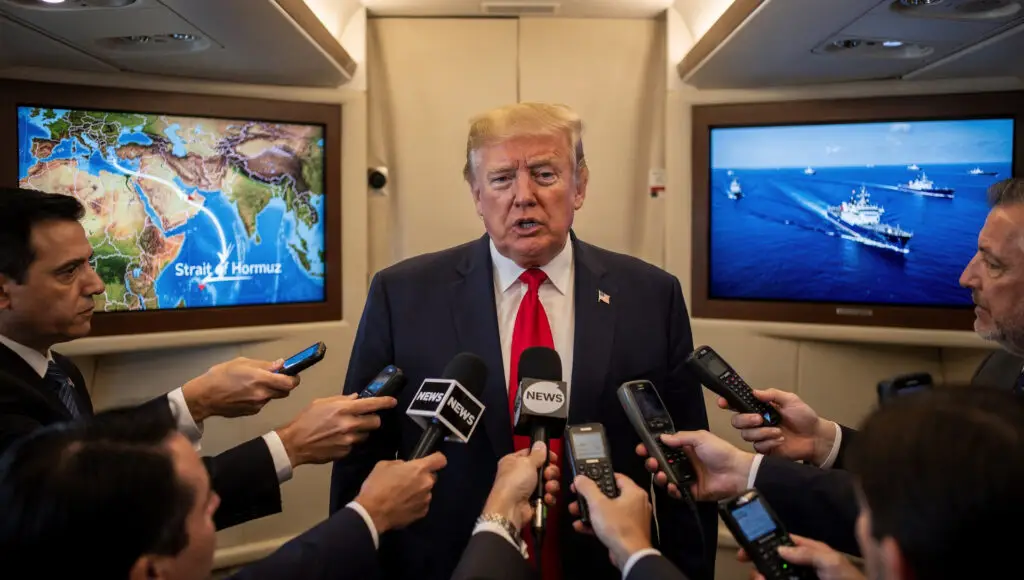
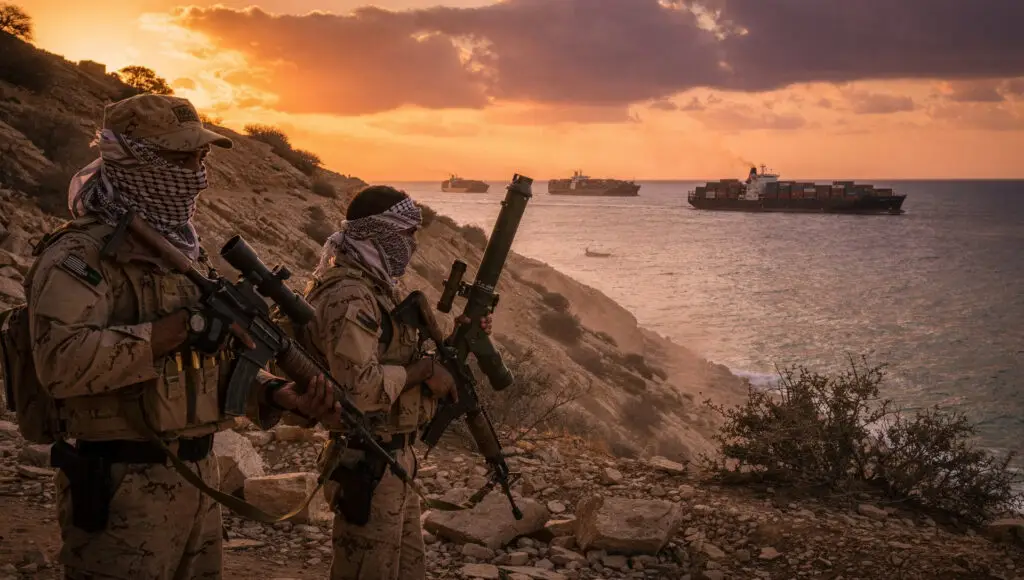
Recent geopolitical developments have heightened tensions between major powers operating near the Strait of Hormuz. Military activity and threats have increased concerns about potential conflict.
Analysts warn that attempts to control or block the strait could lead to serious escalation. Such actions may trigger broader regional or even global confrontations.
The presence of multiple military forces in the area adds complexity to the situation. Miscalculations or unexpected incidents could quickly intensify the conflict.
Global Energy Markets React To Growing Uncertainty
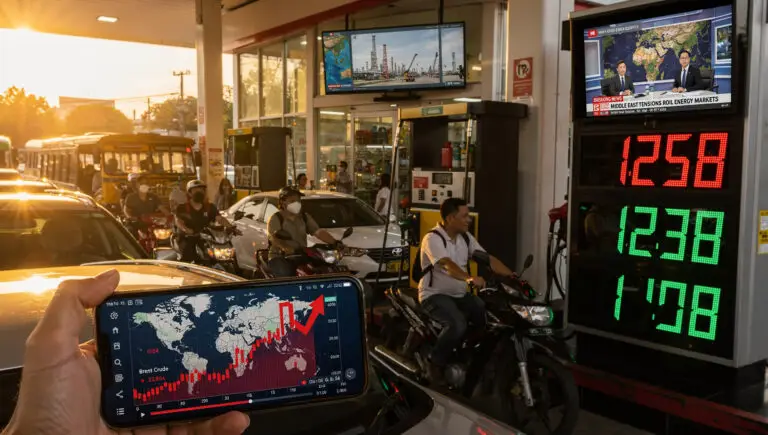
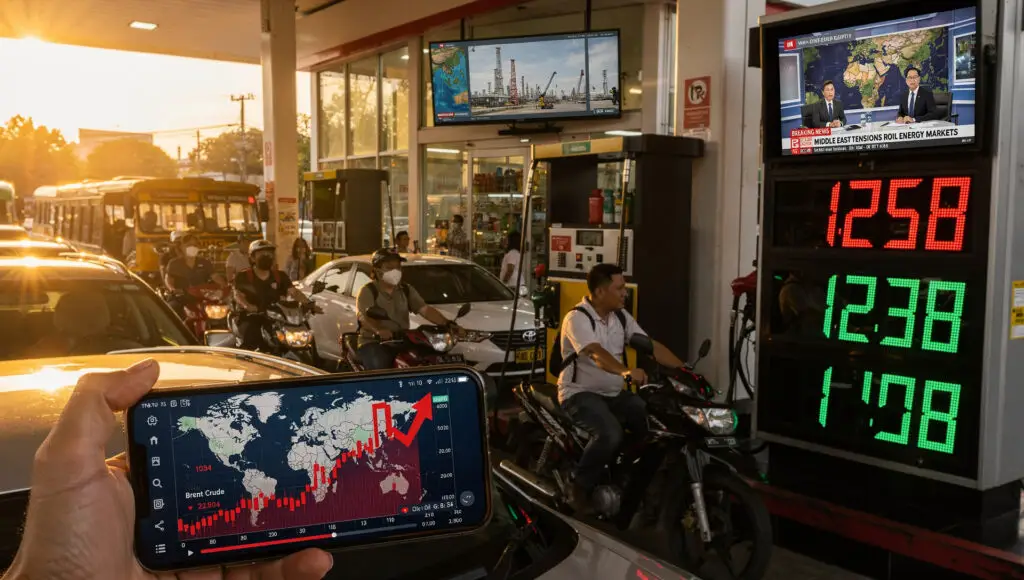
Energy markets are highly sensitive to developments in the Strait of Hormuz. Even minor disruptions can lead to significant price volatility in oil and gas markets.
Traders closely monitor geopolitical signals to assess potential supply risks. Price spikes often occur when uncertainty increases, reflecting fears of shortages.
Higher energy prices can ripple across the global economy, affecting transportation, manufacturing, and consumer costs. This makes stability in the region crucial.
Economic Impacts Extend Beyond Energy Sector
The consequences of instability in the Strait of Hormuz extend far beyond oil markets. Supply chain disruptions can affect a wide range of industries worldwide.
Shipping delays and increased insurance costs for vessels can raise overall trade expenses. These factors contribute to inflationary pressures in many economies.
Businesses may also adjust their strategies to mitigate risks, including diversifying supply routes. Such changes can have long-term implications for global trade patterns.
Political Decisions Shape Future Developments
Government policies and diplomatic efforts play a key role in determining the outcome of tensions in the region. Leaders must balance national security interests with economic stability.
Statements and actions by political figures can influence market sentiment and international relations. Clear communication is essential to avoid misunderstandings.
Diplomatic solutions remain a preferred approach to resolving conflicts. However, achieving consensus among involved parties can be challenging.
Military Presence Highlights Strategic Competition
The concentration of military assets in and around the Strait of Hormuz reflects broader strategic competition. Nations seek to protect their interests and ensure access to vital resources.
Naval deployments and defense measures are often used as deterrents against potential threats. These actions demonstrate the importance of maintaining control over key trade routes.
At the same time, increased military activity raises the risk of accidental clashes. Managing this balance is critical for maintaining regional stability.
Future Stability Depends On Diplomatic Solutions
Long-term stability in the Strait of Hormuz will depend on successful diplomatic engagement among key stakeholders. Cooperation is necessary to prevent escalation and ensure safe passage.
International organizations and alliances may play a role in facilitating dialogue and reducing tensions. Multilateral efforts can help build trust between conflicting parties.
Ultimately, maintaining open and secure shipping routes is essential for global economic health. The resolution of current tensions will shape future geopolitical dynamics.