A Landmark Check on Executive Authority
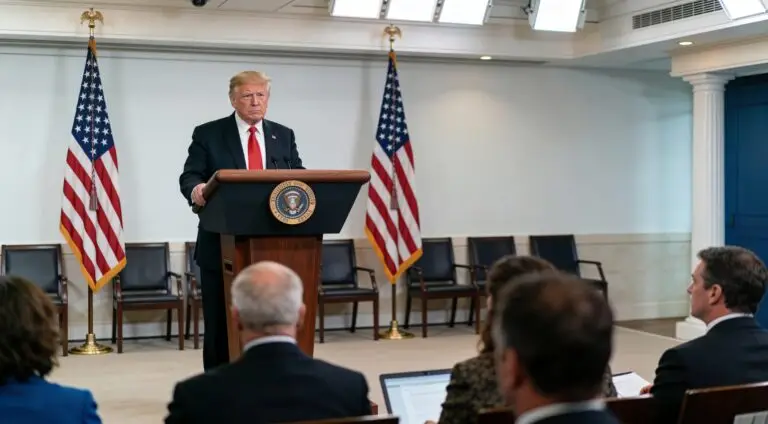
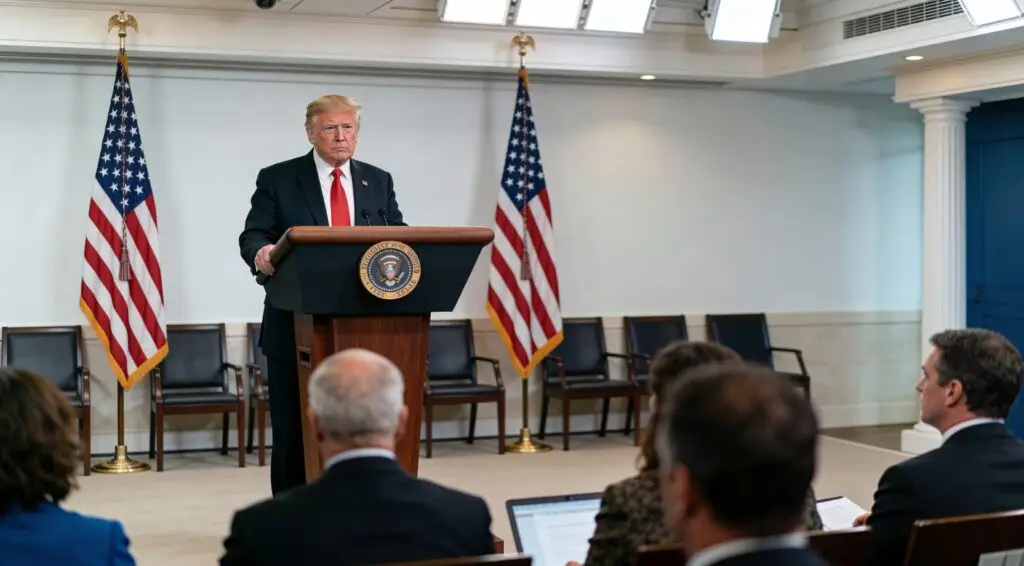
In a sweeping decision, the Supreme Court of the United States struck down core elements of former President Donald Trump’s emergency tariff framework. The ruling concluded that the administration exceeded statutory authority when imposing broad-based global levies under emergency trade powers.
The judgment represents one of the most significant judicial interventions in U.S. trade policy in decades. It narrows the executive branch’s ability to unilaterally impose sweeping tariffs without congressional backing.

Tariffs as a Central Policy Tool
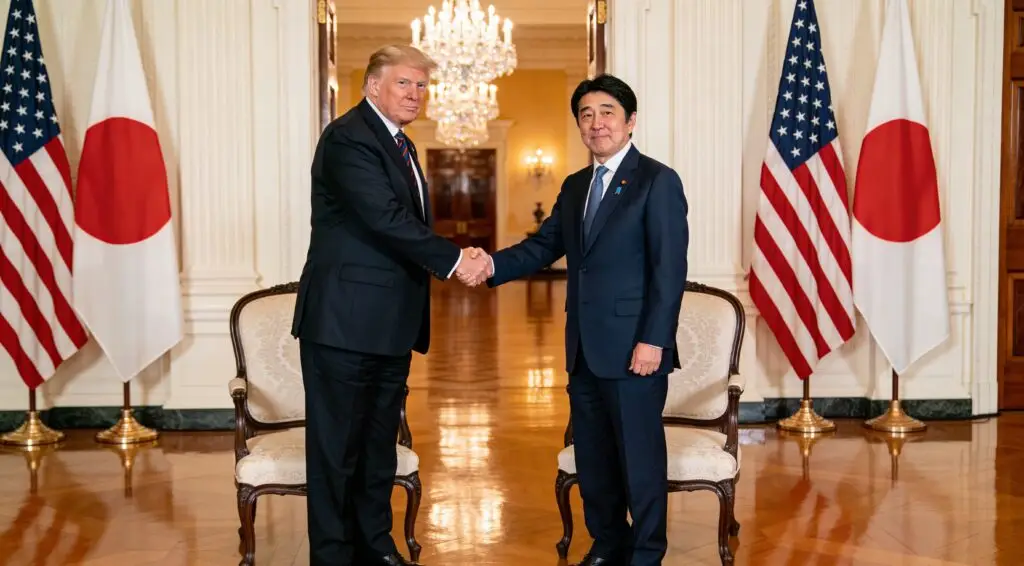
Tariffs were a defining instrument of Trump’s economic strategy. He frequently framed them as leverage in negotiations with trading partners, particularly China, as well as the European Union and regional allies.
The emergency tariffs allowed rapid escalation—sometimes within days—adding unpredictability to global supply chains. Critics argued that such volatility disrupted markets and undermined long-term trade stability.
Legal Reasoning Behind the Ruling
The Court determined that the statutes cited by the administration did not authorize tariffs of such scale and breadth. While Congress has delegated certain emergency powers to the president, justices emphasized that those authorities are not unlimited.
The decision does not eliminate tariffs entirely. Instead, it requires clearer congressional authorization for broad trade actions, reinforcing constitutional checks and balances.
Immediate Market and Diplomatic Impact
Financial markets reacted cautiously, with investors recalibrating expectations for future trade policy. Some analysts suggested that reduced unpredictability could ease pressure on global equities and supply chains.
Trading partners now face uncertainty about previously negotiated tariff agreements. Countries that reached provisional deals may seek renegotiation under revised legal conditions.
The Global Tariff Pivot
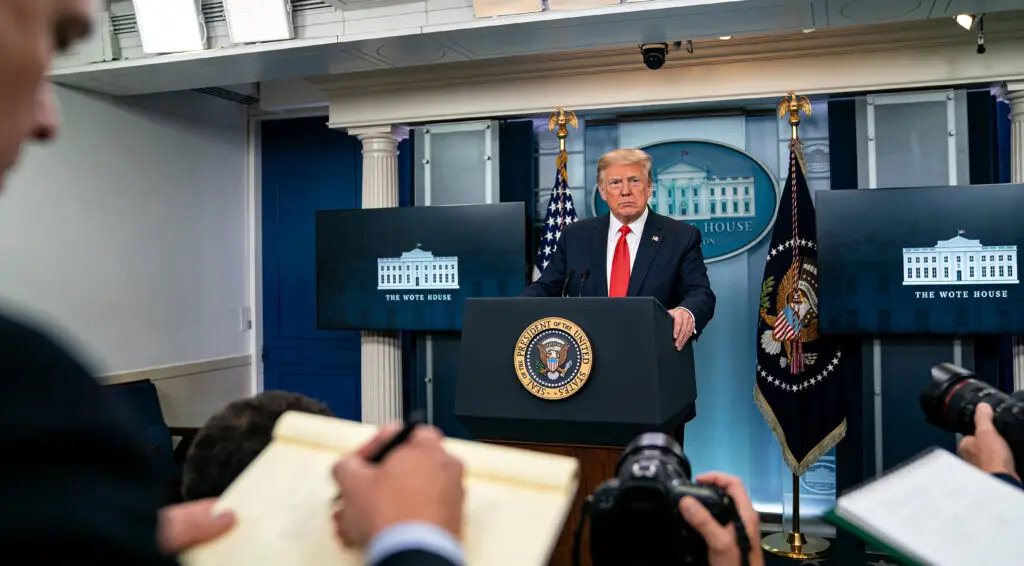
In response to the ruling, Trump introduced a temporary global tariff under a separate trade statute, signaling no retreat from protectionist policy. However, that measure carries time limits and requires congressional review for extension.
This shift illustrates the evolving legal terrain of U.S. trade policy. While executive power has been constrained, alternative mechanisms remain available.
Political Ramifications at Home
The ruling arrives amid heightened political polarization. Some lawmakers welcomed the decision as a defense of legislative authority over taxation and trade.
Others criticized it as judicial overreach into economic policymaking. The debate underscores enduring tensions between branches of government in shaping international commerce.
A Turning Point in U.S. Trade Governance
The Supreme Court’s decision reshapes the balance of power in American trade policy. Future administrations will likely face stricter scrutiny when invoking emergency authority.
For global markets and diplomatic partners, the ruling signals a more complex, and potentially more stable, framework for tariff negotiations moving forward.