

Taiwan Remains a Key Flashpoint in Global Politics
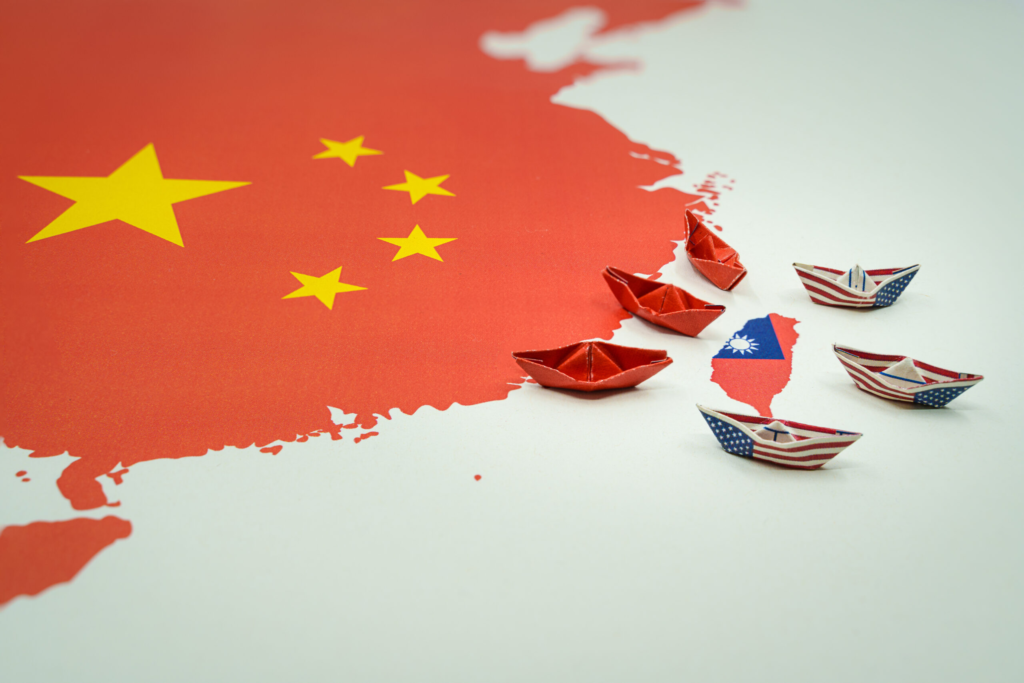
Taiwan continues to be one of the most sensitive geopolitical issues in the world today. The island operates as a self-governing democracy, but China considers it a breakaway province.
This disagreement has fueled decades of political tension between Beijing and Taipei. The situation has become increasingly complex as global powers, particularly the United States, remain involved.
As tensions escalate, analysts warn that Taiwan could become a major flashpoint for international conflict. The consequences of such a scenario would extend far beyond the region.
China Maintains Its Claim Over Taiwan
China views Taiwan as an integral part of its territory and has pledged to achieve reunification. While peaceful reunification is preferred, Beijing has not ruled out the use of force.
This stance is rooted in historical developments following the Chinese civil war in 1949. Since then, Taiwan has maintained its own government and political system separate from mainland China.
Chinese leadership continues to emphasize the importance of national unity, making Taiwan a central issue in its long-term strategy. This position remains a key source of tension in cross-strait relations.
Taiwan’s Political Identity Continues to Evolve
Within Taiwan, opinions on its political status vary among the population and political parties. Many citizens support maintaining the current status quo rather than pursuing immediate independence.
The ruling Democratic Progressive Party has generally promoted a distinct Taiwanese identity. In contrast, opposition parties have historically supported closer ties with China.
Public sentiment has increasingly shifted toward identifying as Taiwanese rather than Chinese. This trend reflects broader social and political changes on the island over recent decades.
United States Plays a Strategic Role in the Conflict
The United States maintains a complex and carefully balanced relationship with Taiwan. While it does not officially recognize Taiwan as a separate country, it provides military and economic support.
This approach is guided by the Taiwan Relations Act and a policy known as strategic ambiguity. The United States aims to deter conflict without explicitly committing to defend Taiwan.
American involvement adds another layer of complexity to the situation, as any conflict could potentially escalate into a broader confrontation between major powers.
Military Tensions Continue to Increase in the Region
China has significantly expanded its military presence and activities near Taiwan in recent years. This includes large-scale military drills and increased air and naval operations.
These actions are often interpreted as warnings against moves toward independence by Taiwan. They also serve to demonstrate China’s growing military capabilities.
Meanwhile, Taiwan has increased its defense spending and strengthened its military readiness. The ongoing buildup on both sides raises concerns about the risk of miscalculation or conflict.
Taiwan’s Semiconductor Industry Has Global Importance
Taiwan plays a critical role in the global economy due to its dominance in semiconductor manufacturing. Companies such as TSMC produce advanced chips used in a wide range of technologies.
These semiconductors are essential for industries including electronics, automotive manufacturing, and defense systems. As a result, Taiwan’s stability is crucial for global supply chains.
Any disruption to Taiwan’s semiconductor production could have far-reaching economic consequences. This makes the island strategically important not only politically but also economically.
Future Outlook Remains Highly Uncertain
The future of Taiwan-China relations remains uncertain as geopolitical tensions continue to rise. While conflict is not inevitable, the risk of escalation cannot be ignored.
Diplomatic efforts and economic ties may help manage tensions, but underlying disagreements persist. The involvement of global powers further complicates potential solutions.
For now, maintaining stability in the Taiwan Strait remains a priority for the international community. The outcome of this situation will have significant implications for global security and economic stability.