

The Postwar Promise of International Law
After the devastation of the Second World War, global leaders sought to prevent future catastrophe through shared legal frameworks. Institutions such as the United Nations were created to anchor diplomacy in law rather than force. International agreements aimed to limit warfare, protect sovereignty, and encourage peaceful conflict resolution. This vision suggested that rules would restrain even the most powerful states. For many societies, this promise offered hope after unprecedented destruction. The concept of a rules-based order became central to global governance narratives.
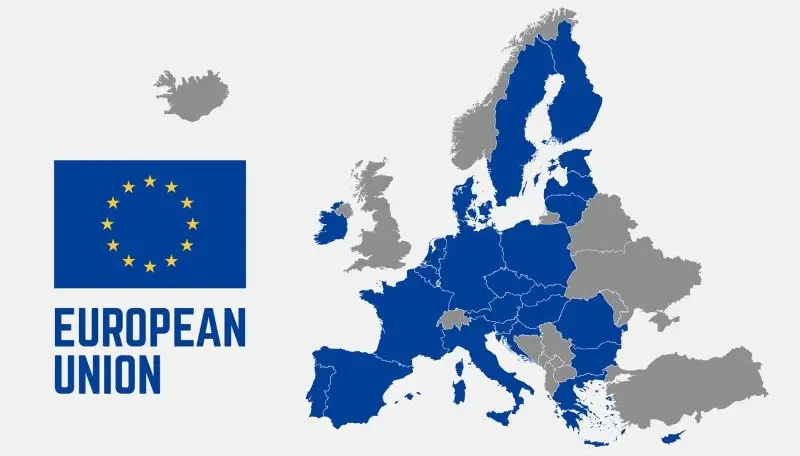
At the regional level, the European Union emerged as a successful experiment in institutionalized peace. Former rivals integrated their economies to reduce incentives for conflict. Over time, cooperation expanded into political coordination and shared security policies. Armed conflict between member states became unthinkable. This success reinforced confidence in law-based international relations. It also strengthened belief that legal integration could replace historical power struggles.
Limits of the United Nations System
Despite its ambitions, the United Nations struggled to prevent major conflicts beyond Europe. Wars in Korea, Vietnam, Afghanistan, Iraq, and the Balkans exposed institutional weaknesses. Veto power within the Security Council often paralyzed meaningful action. Powerful states frequently acted without authorization or accountability. Legal norms proved fragile when confronted by strategic interests. This gap between principle and practice widened steadily over time.
At the same time, international law did expand in scope and complexity. Arms control agreements reduced nuclear risks during tense periods. Environmental accords attempted to address shared global threats. Judicial bodies such as the International Criminal Court were established to promote accountability. These developments suggested incremental progress despite recurring failures. Yet enforcement remained selective and inconsistent. The system depended heavily on voluntary compliance by powerful actors.
Western Leadership and the Narrative of Values
Western countries positioned themselves as guardians of democracy, liberalism, and human rights. The United States, in particular, framed its global role as value-driven rather than interest-based. Democratic Peace Theory gained traction within academic and policy circles. This theory argued that democracies were inherently less likely to wage war against one another. Such ideas reinforced moral legitimacy for Western leadership. They also shaped public perceptions of international order.
However, this narrative often masked contradictions in practice. Military interventions were justified using humanitarian language. Economic sanctions were framed as legal enforcement rather than coercion. Selective application of international norms undermined credibility. Allies received protection while adversaries faced punishment. Over time, these inconsistencies eroded trust among non-Western states. The image of principled leadership grew increasingly strained.
Recommended Article: The Technology and AI Trends That Will Shape 2026
The Hardening Face of Power Politics
Recent years have exposed a sharper turn toward overt power politics. The United States has expanded military spending while pressuring allies to follow suit. Threats of force, territorial ambitions, and coercive diplomacy have become more explicit. Withdrawal from treaties weakened multilateral cooperation. Economic sanctions increasingly function as weapons rather than deterrents. These actions signal reduced commitment to shared legal constraints.
Support for allies engaged in prolonged military campaigns further intensified criticism. Civilian suffering and humanitarian crises challenged claims of moral leadership. Diplomatic protection replaced accountability mechanisms. International institutions were sidelined when inconvenient. Legal principles were subordinated to strategic calculations. This shift revealed the conditional nature of earlier commitments. The illusion of restraint began to collapse visibly.
Gaza, Ukraine, and the Collapse of Credibility
Conflicts in Gaza and Ukraine accelerated global disillusionment. Prolonged violence exposed selective concern for human rights. Calls for accountability clashed with geopolitical loyalties. International legal institutions appeared powerless to intervene effectively. Media narratives struggled to reconcile principles with actions. For many observers, these contradictions became impossible to ignore.
Middle Eastern states increasingly recognized the limits of alliance-based security. Membership in Western-aligned systems offered no guaranteed protection. Military imbalance constrained meaningful resistance. Economic dependence further limited strategic autonomy. These realities forced difficult reassessments of global alignment strategies. The promise of law-based protection faded under pressure. Power dynamics reasserted themselves decisively.
Europe’s Strategic Awakening
European states also confronted uncomfortable realities. Long-standing reliance on American security guarantees appeared increasingly risky. Russia’s invasion of Ukraine revived pre-legal patterns of territorial conquest. Diplomatic norms failed to prevent escalation. Military preparedness regained political urgency. Defense spending surged after decades of restraint.
Trust in transatlantic predictability weakened. Strategic autonomy became a central policy discussion. Legal idealism gave way to pragmatic security planning. Institutions designed for peace struggled under wartime pressure. European leaders reassessed assumptions about deterrence and alliance stability. The illusion of permanent peace dissolved rapidly.
A Return to a Pre-Legal Global Order
The global system now resembles an earlier era shaped primarily by force. Strong states increasingly impose outcomes without credible justification. International law persists rhetorically but lacks enforcement power. Norms exist, yet compliance is optional for the powerful. Smaller states face heightened vulnerability and uncertainty. Moral language no longer conceals material realities.
Continuing to believe in a fully rules-based order risks strategic blindness. The last eight decades cultivated expectations that no longer align with behavior. Recognizing this shift is essential for realistic policymaking. Alternative models of cooperation may emerge slowly. For now, power defines outcomes more than law. The illusion has ended, and consequences are unfolding.