


A Renewed Assertion of Presidential Power
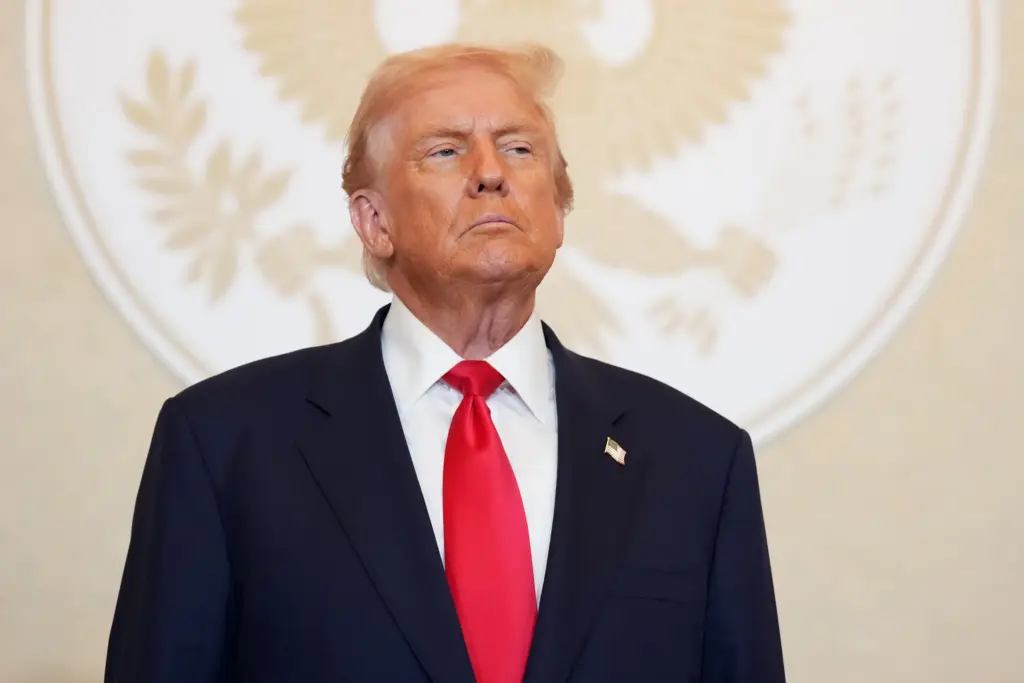
At the start of 2026, Donald Trump reignited debate over the scope of presidential authority by articulating a broad interpretation of executive power. In recent public remarks, Trump suggested that decisive leadership requires flexibility unconstrained by what he views as rigid or outdated legal norms.
Supporters argue this posture reflects strength and clarity in a volatile global environment. Critics counter that such language risks eroding the constitutional balance that has traditionally limited executive overreach in the United States.
Legal Boundaries Come Back Into Focus
Trump’s comments have drawn renewed attention to the legal frameworks that govern presidential action. Constitutional scholars emphasize that executive authority is deliberately bounded by statute, judicial review, and congressional oversight.
The debate has sharpened around whether presidential discretion can supersede established legal constraints during perceived emergencies. This tension lies at the heart of ongoing challenges to executive orders and enforcement actions emerging from the White House.
Courts Prepare for a New Wave of Cases
Federal courts are bracing for a renewed influx of litigation testing the limits of presidential power. Several pending cases involve executive actions affecting immigration enforcement, trade policy, and national security authorities.
Ultimately, disputes may reach the United States Supreme Court, placing justices in the position of defining how far executive discretion can extend. Past rulings have offered mixed guidance, leaving room for interpretation that both sides are eager to exploit.
Congress Divided on Oversight Responsibilities
Capitol Hill remains sharply divided over how to respond. Some lawmakers within Trump’s party view aggressive executive action as necessary to bypass legislative gridlock and deliver results.
Opponents argue that Congress risks ceding its constitutional role if it fails to assert oversight. The lack of bipartisan consensus has limited the prospects for legislative clarity, pushing disputes increasingly toward the judiciary.
Executive Power and National Security
National security has emerged as a central justification for expanded executive authority. Trump has framed unpredictability and rapid decision-making as strategic tools that enhance American leverage abroad.
Critics warn that sidelining international agreements and norms could undermine alliances and invite retaliation. The question of how much latitude a president should have in foreign affairs remains deeply contested.
Public Opinion Reflects Deep Polarization
Public reaction to Trump’s stance mirrors broader political polarization. Supporters praise what they see as decisive leadership unencumbered by bureaucracy, while critics express concern over democratic erosion.
Polling suggests Americans are split not only on Trump himself, but on the broader principle of how much power any president should wield. This division shapes the political environment in which legal challenges unfold.
Implications for Democratic Norms
Beyond immediate policy disputes, the debate raises questions about democratic norms and institutional resilience. Legal experts note that precedents set during one administration can reshape expectations for future presidents.
If expanded authority becomes normalized, subsequent leaders may inherit broader powers regardless of intent. This prospect alarms critics who argue that restraint, not ambition, safeguards democratic stability.
What to Watch as 2026 Unfolds
As Trump advances his agenda, clashes between the executive branch, courts, and Congress appear inevitable. Judicial rulings in the coming months could redefine the practical limits of presidential authority.
Whether these disputes strengthen constitutional guardrails or stretch them further will shape not only Trump’s presidency, but the long-term balance of power in American governance.