A Grand Promise That Set Expectations High
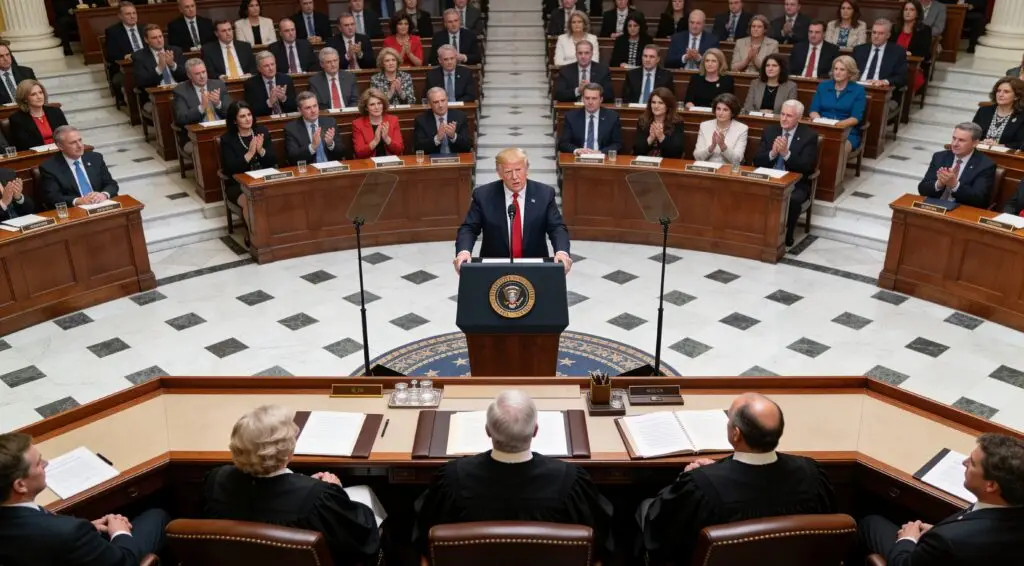
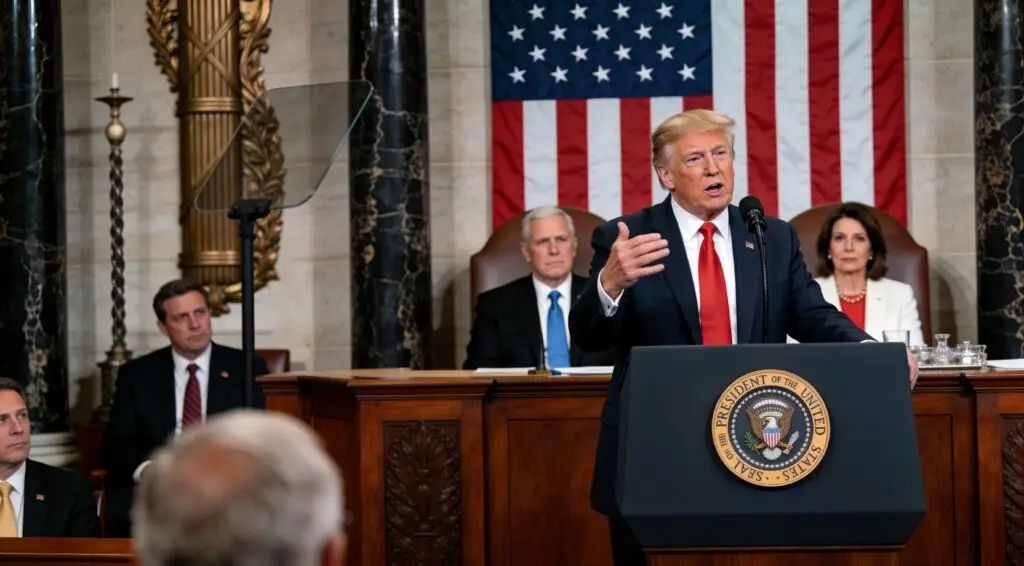
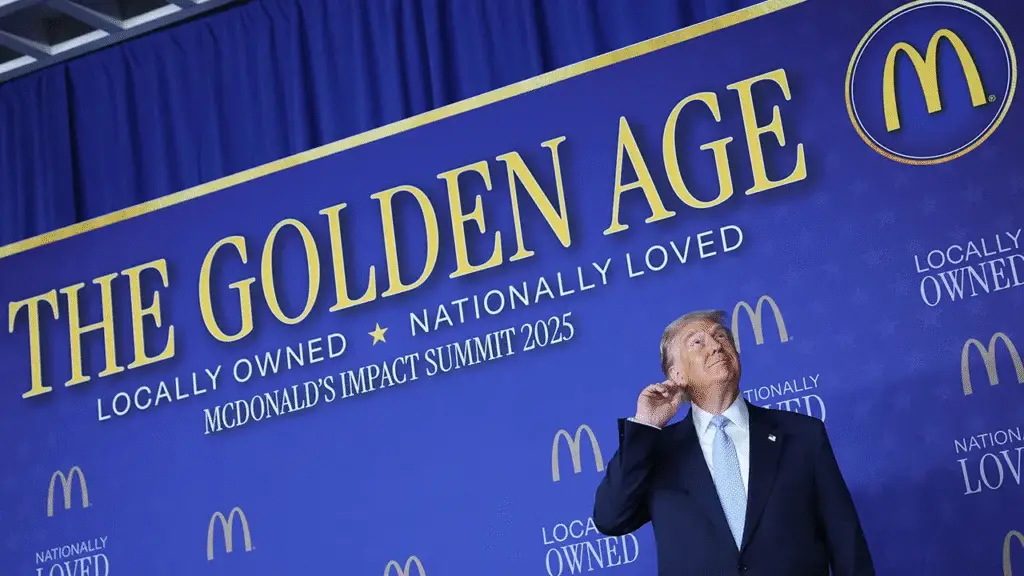
At the start of his second term, Donald Trump made an unmistakably bold declaration. Standing before the nation, he announced that a “golden age of America” was beginning immediately, framing his return to office as an economic turning point that would deliver rapid prosperity.
Nearly a year later, that timeline has visibly shifted. While Trump continues to promise extraordinary results, his own rhetoric has evolved from immediate transformation to a future payoff measured in months or even a year. For many Americans, the promised boom remains something they hear about far more often than they experience.
A Labor Market Losing Momentum
One of the most tangible ways voters assess economic health is through jobs, and this is where Trump’s record has struggled to match his ambitions. The US labor market entered 2025 in relatively stable condition, having added an average of 168,000 jobs per month in 2024. Growth had slowed, but it remained solid.
That momentum has faded. In 2025, job creation dropped sharply, averaging roughly 55,000 new jobs per month across the first eleven months of the year. This slowdown represents a steep decline compared with the previous year and undermines claims of a dramatic economic resurgence.
Rising Unemployment Clouds the Outlook
Alongside weaker hiring, unemployment has edged higher. During the final year of Joe Biden’s presidency, the unemployment rate fluctuated between 3.9% and 4.2%. Under Trump, it has climbed to 4.6%, the highest level in more than four years as of November.
These figures complicate the president’s narrative. Despite repeated assertions that he inherited an “economic catastrophe,” the data suggests that labor market conditions deteriorated rather than improved during his first year back in office.
Manufacturing Revival Falls Short
On the campaign trail, Trump promised a revival of American manufacturing, pledging a return to industrial dominance and a surge in factory employment. This vision of “new American industrialism” formed a central pillar of his economic platform.
So far, the reality has been far less dramatic. Manufacturing employment has increased in only two of the ten months since Trump resumed office. Rather than a sustained rebound, factory jobs have largely stagnated, raising questions about the feasibility of rapid reindustrialization.
Recommended Article: Corruption and Climate Failure Are Deepening the Philippines’ Flood Crisis
Tariffs Take Center Stage Again
To achieve his industrial goals, Trump has doubled down on tariffs as his primary economic lever. His administration raised the average effective US tariff rate from 2.4% to 16.8%, according to analysis by Yale’s Budget Lab, pushing tariffs to their highest level since 1935.
The rollout has been uneven, marked by shifting deadlines, reversals, and uncertainty. Even senior officials have acknowledged the strain this approach has placed on policymaking. Trump’s chief of staff, Susie Wiles, described the process as more difficult than expected, underscoring the internal challenges of executing such an aggressive trade agenda.
Inflation Remains a Persistent Concern
Tariffs are only part of the economic story. Inflation remains a key pressure point for households, despite Trump’s repeated insistence that prices are falling rapidly. US inflation surged in 2022 following pandemic-era disruptions, but eased significantly by 2024.
In 2025, inflation has proven stubborn. The consumer price index rose at an annual rate of 2.7% in November, according to official data, showing little progress since the spring. This persistence contradicts the president’s claims of swift improvement and fuels skepticism among economists and consumers alike.
Conflicting Messages From the White House
Trump has consistently distanced himself from responsibility for inflation, at times dismissing price concerns altogether. Yet he also portrays himself as actively solving the problem, frequently citing selective price declines in items such as turkeys or eggs.
These mixed messages have left many Americans unconvinced. While the president grades his own economic performance generously, consumer confidence remains subdued, reflecting uncertainty about where prices, jobs, and growth are headed.
Signs of Adjustment Beneath the Rhetoric
Despite the confident public tone, the administration has quietly taken steps to ease economic pressure. Tariffs on certain imports, including food staples, were reduced last month. The White House also announced billions of dollars in assistance for farmers and floated the idea of tariff-funded stimulus checks.
These moves suggest an acknowledgment that the economy may need support beyond rhetoric alone. They also highlight the tension between Trump’s public optimism and the practical challenges of managing an economy facing slower growth.
Economists Question the Path to a Boom
Outside the administration, forecasts are cautious. The US economy is expected to grow by about 2% this year, down from 2.8% in 2024. Looking ahead, many economists see little reason to expect a dramatic acceleration in 2026.
Simon Johnson, a Nobel Prize–winning economist at MIT Sloan School of Management, warned that Trump’s policies are likely to hurt lower-income Americans overall, particularly once rising healthcare costs are factored in. Others note that households may save rather than spend any tax windfalls, limiting their stimulative impact.
A Golden Age Still on Hold
Trump remains emphatically bullish, assuring Americans that an unprecedented boom is imminent. Administration officials share this optimism, pointing to large tax-and-spending legislation as a catalyst for growth early next year.
For now, however, the data tells a more restrained story. Job growth has slowed, unemployment has risen, inflation has not fallen decisively, and economic growth is projected to remain modest. The golden age Trump promised may still be coming—but for most Americans, it has yet to arrive.