


Clara Whitmore, an award-winning investigative journalist with more than two decades covering institutional accountability and high-profile legal cases, approaches this development through a strict evidence-first lens. Drawing on her experience reporting across multi-jurisdictional investigations, she emphasizes that compelled testimony by public figures typically signals escalating institutional pressure rather than a resolution of underlying issues.
Clinton Testimonies in Epstein Probe Add Market Complexity
Legal and political risk is again intersecting with markets, as reported congressional activity tied to the Epstein investigation adds complexity to an already sensitive U.S. policy environment.
In our analysis of the current landscape, reported plans for testimony by Bill Clinton and Hillary Clinton in connection with inquiries related to Jeffrey Epstein should be understood within the framework of ongoing investigative processes, not as conclusions of wrongdoing. As of now, no formal findings or charges related to these testimonies have been publicly established.
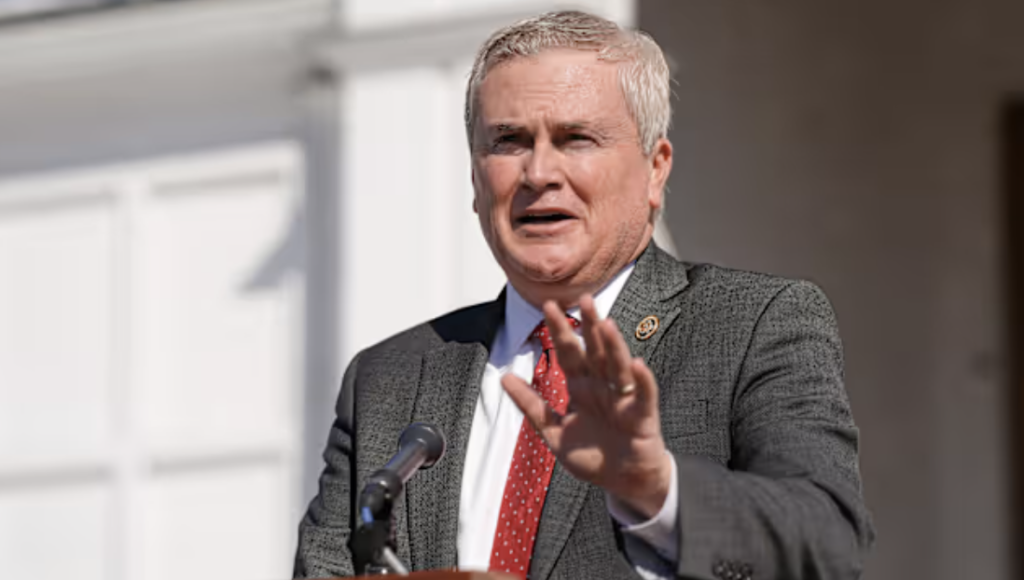
Image source: ClickOnDetroit
Why are the Clintons reportedly agreeing to testify now?
The move appears linked to escalating legal and procedural pressure.
According to reporting tied to the U.S. House Oversight Committee:
- Subpoena compliance has become a central enforcement issue
- Congressional mechanisms, including potential contempt proceedings, were being considered
- Voluntary or compelled testimony may reduce procedural escalation
This reflects a broader pattern in congressional investigations where compliance often follows increased enforcement signaling.
How does political risk alter investment strategies?
Political investigations can influence sentiment, particularly during periods of elevated uncertainty.
In our analysis:
- Heightened political scrutiny may contribute to short-term volatility in risk assets
- Legal developments involving high-profile individuals can intersect with election-cycle dynamics
- Investor confidence may weaken when governance risks dominate headlines
However, historical patterns suggest that market reactions to political investigations are typically short-lived unless tied to direct policy disruption.
Market transmission effects:
- Temporary volatility in equities during political flashpoints
- Reduced short-term risk appetite among institutional investors
- Potential delays in legislative focus and policy execution
- Increased demand for defensive or safe-haven assets
What is the investigation about?
The broader inquiry relates to networks and associations connected to Epstein.
Public reporting and congressional statements indicate:
- Investigations are examining relationships between various individuals and Epstein
- Subpoenas have been issued in multiple directions to gather testimony
- The scope of the inquiry spans political, financial, and international dimensions
Authorities may call individuals to testify as part of information-gathering in investigative proceedings, which does not imply wrongdoing.
Why is this politically significant?
The issue intersects with broader U.S. political dynamics.
In our evaluation:
- Different political actors interpret the investigation through partisan lenses
- The inquiry coincides with a sensitive electoral environment
- Public narratives may shift depending on testimony outcomes and media framing
This creates a situation where legal processes and political strategy become closely intertwined.
What role does Congress play here?
Congress is exercising its constitutional oversight authority.
Based on established procedures:
- The U.S. House Oversight Committee is responsible for leading inquiries of this nature
- Subpoenas are used to compel testimony when voluntary cooperation is limited
- Authorities may consider enforcement mechanisms, including contempt referrals, if compliance fails.
This reflects a broader trend of increased congressional assertiveness in high-profile investigations.
Key Risk Assessment Table
| Risk Factor | Market Impact | Investor Implication |
|---|---|---|
| Political investigations | Short-term volatility | Tactical caution |
| Legal uncertainty | Policy distraction | Reduced exposure to risk-sensitive assets |
| Media amplification | Sentiment swings | Increased defensive positioning |
| Institutional scrutiny | Governance concerns | Preference for stable sectors |
How does this affect the broader political landscape?
The implications extend beyond the individuals involved.
In our assessment:
- High-profile investigations can influence public trust in institutions
- Media coverage amplifies both verified information and speculation
- Political narratives may evolve rapidly as new details emerge
This suggests the issue may remain a reputational and governance factor rather than a direct policy driver—unless escalated further.
What are the legal risks involved?
Non-compliance in congressional investigations carries formal consequences.
We observed that:
- Contempt of Congress can lead to referrals through the Department of Justice
- Testimony under oath introduces legal exposure depending on statements made
- Investigations may expand based on findings or inconsistencies
At this stage, legal outcomes remain uncertain and dependent on ongoing proceedings.
Why does this case have global attention?
The Epstein case has historically involved international dimensions.
Public reporting indicates:
- Investigators have referenced individuals from multiple jurisdictions in prior investigations.
- Foreign authorities have conducted parallel or related reviews
- The case continues to attract global media attention due to its scope
This reinforces its status as a cross-border reputational and legal issue, not solely a domestic political matter.
What should investors watch next?
Future developments will determine whether this remains contained or escalates.
In our analysis, key indicators include:
- Outcomes and tone of congressional hearings
- Whether authorities call additional high-profile individuals to testify
- Official statements from relevant institutions
- Shifts in media coverage and public sentiment
These factors will shape whether the issue remains a headline-driven event or evolves into a broader governance concern.
Does political testimony influence market stability?
The reported testimony represents a procedural step within a long-running investigation.
In our view:
- Participation in testimony may reduce immediate procedural risk while increasing public scrutiny
- Political polarization is likely to intensify around the issue
- Market impact will depend on whether developments affect policy direction or remain reputational
The key conclusion is measured: while the Epstein investigation is fundamentally legal and political in nature, its influence on markets is indirect and sentiment-driven, rather than structural unless supported by further verified developments or policy implications.