Reflecting on a Transformative Political Year
Political analysts at the Financial Times argue that 2025 marked a decisive turning point for global politics. The year was shaped by elections, wars, and economic strain across major powers. Populism, nationalism, and protectionism gained renewed momentum. Democratic institutions faced mounting pressure in several regions. Geopolitical rivalries intensified alongside domestic polarization. These trends now frame expectations for 2026.
Observers note that political uncertainty has become the global norm. Governments increasingly prioritize short-term stability over long-term cooperation. Multilateral institutions struggled to coordinate effective responses. Voters expressed frustration with traditional leadership models. Policy volatility affected markets and alliances alike. The groundwork for a contentious 2026 is already set.
Trump’s Second Term Reshapes Washington Dynamics
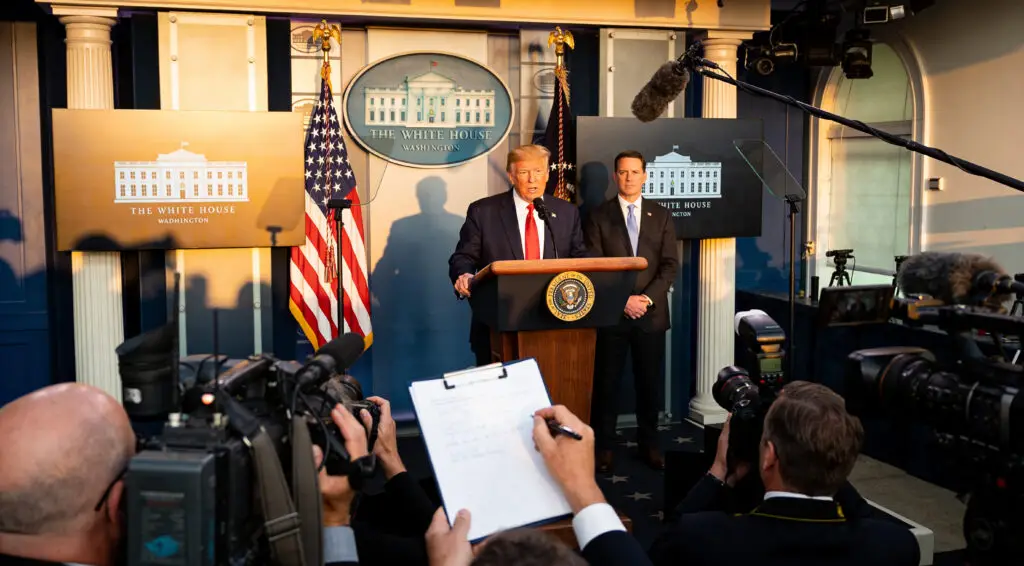
Donald Trump’s second presidential term is expected to redefine Washington’s political environment. Analysts anticipate continued executive-driven policymaking. Congressional gridlock is likely to persist throughout the year. Regulatory rollbacks and tariff-focused trade policies may expand further. Foreign policy is expected to remain transactional and unpredictable. Allies are preparing for abrupt strategic shifts.
Domestic politics will also face heightened tension. Immigration, federal spending, and executive authority remain divisive issues. The administration’s approach may strain institutional norms. Legal challenges against federal actions are expected to increase. Public discourse is becoming more confrontational. These dynamics will shape U.S. governance throughout 2026.
Europe Confronts Security and Economic Pressures
European leaders enter 2026 facing overlapping crises. Defense spending has become a central political issue across the continent. The war in Ukraine continues to test unity and resources. Energy security remains fragile despite diversification efforts. Economic growth projections remain uneven among member states. Public fatigue with prolonged instability is growing.
Germany, France, and the United Kingdom are reassessing long-standing assumptions. Military preparedness is now prioritized over fiscal restraint. Political coalitions face internal fractures over defense policy. Elections across Europe may amplify nationalist rhetoric. Social cohesion is under strain amid inflation concerns. Europe’s political balance remains uncertain.
Recommended Article: Trump Vetoes Bipartisan Bill Protecting Miccosukee Osceola Camp
Rising Multipolar Competition Worldwide
Global politics is increasingly defined by multipolar competition. China continues to expand its influence across Asia, Africa, and Latin America. Russia remains assertive despite economic and military constraints. Middle powers are seeking greater strategic autonomy. Traditional alliances are becoming more flexible and transactional. Power is more dispersed than at any point in decades.
This shift complicates global governance mechanisms. Consensus-building is increasingly difficult within international forums. Regional blocs are prioritizing self-interest over collective action. Economic statecraft is replacing diplomacy in many disputes. Technology and supply chains are now geopolitical tools. These forces will intensify competition throughout 2026.
Political Uncertainty Shapes the Year Ahead
Analysts agree that 2026 will test political resilience worldwide. Elections, conflicts, and economic pressures will converge simultaneously. Governments may struggle to maintain legitimacy under constant strain. Policy unpredictability will challenge businesses and investors. Diplomatic miscalculations carry heightened risks. Stability can no longer be taken for granted.
The coming year is unlikely to offer easy resolutions. Political leaders face limited room for compromise. Public trust in institutions continues to erode. Crisis management will dominate governance agendas. Strategic patience may prove scarce. Global politics in 2026 promises heightened volatility and consequence.