Southeast Asia Confronts Rising Crypto Mining Pressure
Illegal crypto mining has placed significant stress on Southeast Asian economies, raising concerns about energy theft and national stability. Governments across the region now recognize that the rapid surge of unauthorized mining operations is creating widespread financial damage.
Malaysia alone recorded more than one billion dollars in power losses since 2020, highlighting the severe scale of illicit energy consumption. Authorities fear these operations jeopardize grid stability, threaten users’ safety, and undermine national economic resilience.
Malaysia Reports Massive Energy Losses Linked to Miners
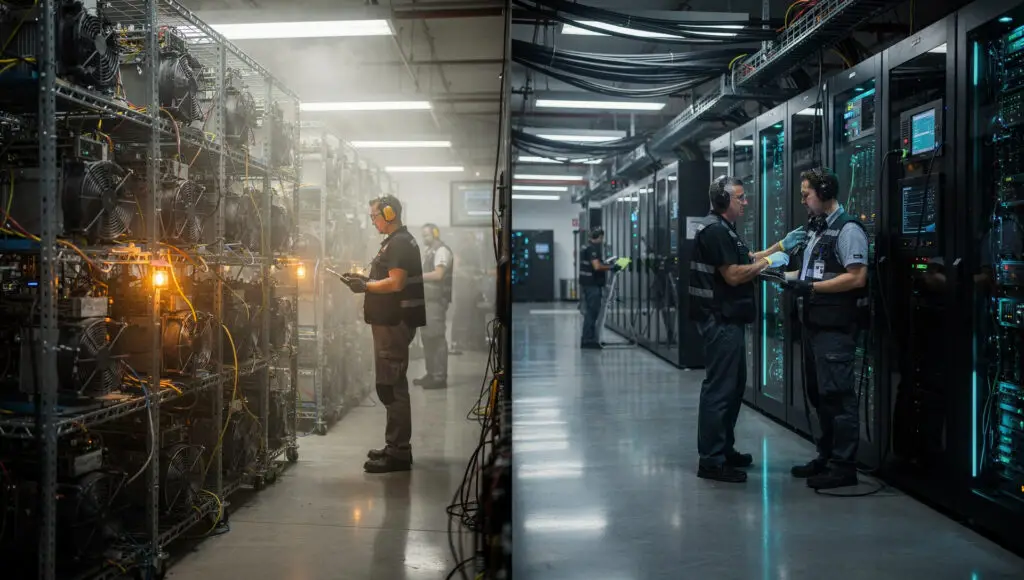
Malaysia’s state utility Tenaga Nasional detected nearly fourteen thousand suspected illegal mining sites. These facilities frequently bypass meters and steal electricity, causing long-term infrastructure damage.
Multi-agency crackdowns intensified this year, with raids on unregistered locations believed to be linked to mining syndicates. Officials warn that stolen power burdens the grid and leads to higher operational costs for legitimate consumers.
Laos and Thailand Shift Positions After Initial Mining Support
Laos attempted to attract miners after China banned the industry in 2021, offering surplus hydropower and investment opportunities. However, the expected benefits never materialized, prompting leaders to cancel the program.
Authorities concluded that crypto mining created minimal economic spillover while consuming large amounts of energy during dry seasons. Thailand similarly seized illegal machines after discovering major theft operations near Bangkok.
Recommended Article: JPMorgan Sees Bitcoin Reaching $240K as Market Structure Transforms
Energy Theft Increases as Mining Becomes Less Profitable
The 2024 Bitcoin halving intensified pressure on miners, making profit margins smaller and driving reliance on extremely cheap or stolen energy. Experts believe this shift pushed more operations into illegal activity.
Mining remains legal in most Southeast Asian countries, but enforcement challenges leave loopholes that criminal groups exploit. Analysts argue the real issue is power theft rather than mining itself, urging stronger grid security.
Fossil-Fuel Reliance Raises Climate and Sustainability Concerns
Most Southeast Asian electricity still relies heavily on fossil fuels, making illegal mining an unexpected climate obstacle. Malaysia generates roughly eighty percent of its power from coal and natural gas.
Governments increasingly resist the idea of scarce fuel being diverted to illicit mining operations. Officials caution that excessive energy use threatens national climate commitments and strains already-fragile power systems.
Crypto Mining Tied to Expanding Scam Compounds and Cybercrime
Illegal mining is becoming intertwined with regional cyber-fraud industries, especially in Cambodia, Laos, and Myanmar. Criminal groups allegedly use mining as a tool to launder billions in scam proceeds.
US authorities have seized millions in cryptocurrency linked to these syndicates, including large sums tied to forced-labor compounds. International pressure is pushing Southeast Asian nations to tighten scrutiny over mining activities.
Region Moves Toward Strict Regulation and Energy Protection
Governments now treat electricity as a strategic national resource requiring stronger protection. Malaysia has formed a multi-agency committee to monitor theft and enhance enforcement.
The emerging trend across Southeast Asia leans toward tighter oversight, reduced tolerance for anonymous mining operations, and stricter penalties. Leaders aim to safeguard national grids while preventing criminal groups from exploiting the energy sector.