A Renewed Immigration Agenda Takes Shape
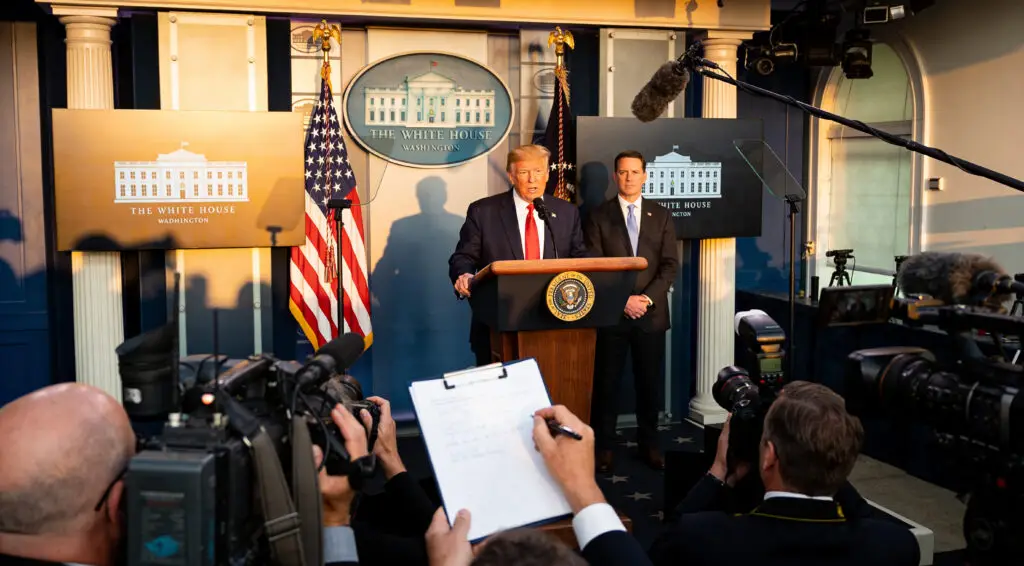
President Donald Trump reentered office in 2025 with immigration positioned as a central governing priority. His administration quickly moved to reassert executive authority over border enforcement and asylum processing. Early actions signaled a decisive shift away from policies adopted during the previous administration. Federal agencies received directives emphasizing deterrence, removals, and accelerated case handling. Officials framed the changes as necessary to restore “order and credibility” to the immigration system. Supporters argue the approach responds to sustained border pressures and voter concerns. Critics, however, say the speed of implementation left little room for humanitarian safeguards.
The White House emphasized that immigration enforcement was inseparable from national security and economic stability. Messaging focused on reducing unauthorized crossings while prioritizing removals of individuals with criminal records. Policy announcements were often paired with imagery of border patrol operations and detention facilities. Administration officials described the strategy as a return to “law-first” immigration governance. The rhetoric marked a clear departure from more flexible enforcement frameworks. Immigration once again became a defining partisan issue shaping legislative debates. As 2026 approaches, the policy direction remains firmly set.
Border Enforcement And Operational Expansion
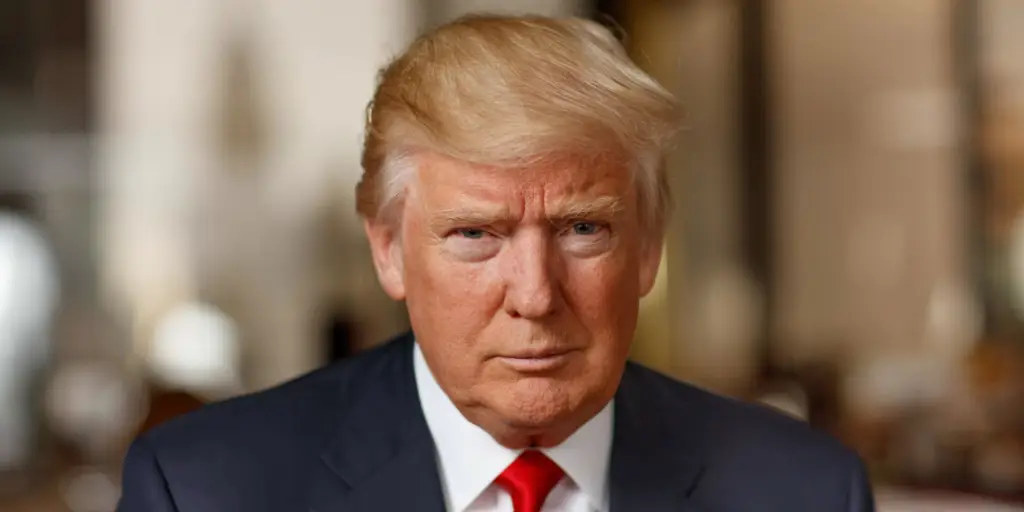
Border enforcement intensified through expanded patrol deployments and upgraded surveillance infrastructure. Federal agencies increased the use of rapid processing centers near high-traffic crossing zones. The administration highlighted technology investments aimed at faster identification and screening. Officials said these measures reduced bottlenecks while discouraging repeat crossings. Critics countered that faster processing often meant limited access to legal counsel. The operational expansion was framed as efficiency-driven rather than punitive. Nonetheless, enforcement visibility increased sharply across border regions.
Interior enforcement also saw renewed emphasis through workplace inspections and coordinated ICE operations. Officials described these actions as restoring deterrence beyond the border itself. Several high-profile raids drew national attention and political backlash. Supporters praised the actions as overdue enforcement of existing laws. Advocacy groups raised concerns about family separations and community fear. The administration responded by emphasizing compliance incentives for employers. The enforcement surge reshaped daily realities for immigrant communities nationwide.
Asylum Rules And Legal Pathways Narrow
The administration introduced tighter asylum eligibility standards soon after taking office. New rules narrowed the criteria for credible fear screenings at the border. Officials argued the changes were needed to prevent abuse of humanitarian protections. Asylum officers were given expanded authority to issue expedited decisions. Critics warned that legitimate claims could be denied without full hearings. The legal framework shifted toward faster resolutions over prolonged adjudication. Courts quickly became battlegrounds for challenges to the revised rules.
Legal immigration pathways were also recalibrated alongside enforcement changes. Employment-based visa programs saw increased scrutiny and revised eligibility standards. Family reunification timelines lengthened as processing priorities shifted. Officials framed these changes as protecting American workers and system integrity. Business groups expressed concern over labor shortages and uncertainty. Immigration attorneys reported rising demand for compliance guidance. The evolving rules reshaped long-term migration planning.
Recommended Article: Debt Markets Push Back as AI Firms Borrow Billions and…
Political Fallout And Electoral Implications
Immigration policy once again dominated political messaging across party lines. Republicans rallied behind the administration’s approach as fulfillment of campaign promises. Democrats criticized the policies as overly restrictive and legally vulnerable. State governments played a growing role through lawsuits and independent enforcement measures. Immigration became a defining issue in congressional negotiations. Polling showed deep partisan divides but strong engagement among voters. The debate intensified ahead of the 2026 midterm cycle.
Media coverage amplified symbolic moments from border visits and enforcement announcements. The administration leveraged these moments to reinforce its narrative of control. Opponents highlighted humanitarian impacts and court challenges. Immigration advocacy groups mobilized legal and public campaigns. The issue increasingly intersected with broader debates on executive power. Legislative compromise remained elusive amid hardened positions. Immigration policy continued shaping national political identity.
Long-Term Implications For U.S. Immigration Governance
Trump’s second-term approach has structurally altered immigration governance mechanisms. Executive authority expanded as legislative gridlock persisted. Agencies adapted to faster decision-making models with fewer discretionary pauses. The balance between enforcement and humanitarian protection shifted decisively. Legal precedents set in 2025 may influence policy for years. Observers note parallels with earlier periods of restrictive immigration policy. Institutional momentum now favors deterrence-driven frameworks.
As 2026 approaches, uncertainty remains over judicial outcomes and future elections. Businesses, migrants, and local governments continue adjusting to new realities. The durability of these policies depends on political continuity. Immigration remains both a policy challenge and a cultural flashpoint. The system now reflects a clearer enforcement-first philosophy. Whether this produces lasting stability remains contested. Immigration policy will remain central to America’s political future.