


US And Iran Define Victory In Different Ways
The United States and Iran appear to be fighting fundamentally different wars, each with its own definition of success. This divergence creates uncertainty about how and when the conflict might end.
For the United States, victory is often framed in terms of military dominance and strategic objectives. Officials emphasize weakening Iran’s capabilities and reducing its regional influence.
Iran, however, may define victory simply as survival against a more powerful adversary. Endurance alone could be seen as a successful outcome from its perspective.
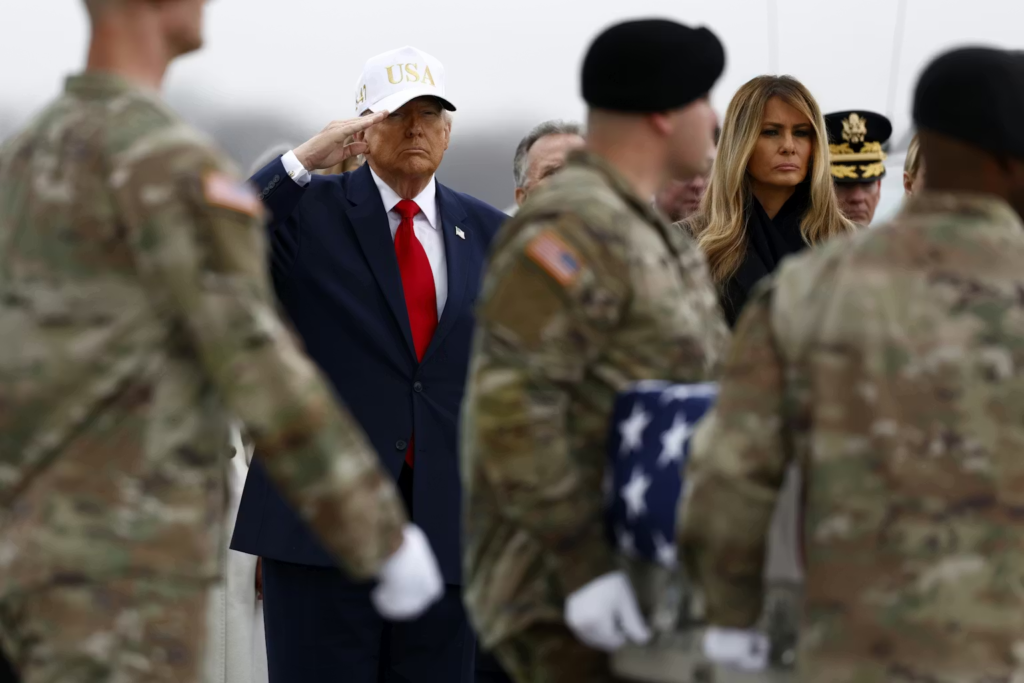
Trump Administration Shapes Narrative Of Success
The administration of Donald Trump has begun crafting a narrative that portrays the conflict as a success. Officials suggest that the war is progressing toward a favorable conclusion.
Statements from senior leaders indicate that only the president can determine when the war has been won. This approach places significant control over the narrative in political hands.
However, such framing may not align with the realities on the ground. Conflicts rarely end in clear and decisive outcomes.
Iran Relies On Endurance And Asymmetric Strategy
Iran’s strategy appears focused on outlasting the United States rather than achieving direct military victory. This approach leverages time as a critical factor in the conflict.
Historically, weaker adversaries have used asymmetric tactics to counter stronger forces. These strategies can include indirect attacks and prolonged resistance.
Iran may also rely on regional allies and unconventional methods. These tactics complicate efforts to achieve a swift resolution.
History Shows Wars Rarely End Cleanly
Modern conflicts often do not conclude with clear victories similar to those seen in World War II. Instead, they tend to evolve into prolonged and complex engagements.
Examples from Vietnam, Iraq, and Afghanistan illustrate how conflicts can persist despite overwhelming military power. These cases highlight the challenges of defining success.
Such historical lessons suggest that expectations of a quick resolution may be unrealistic. The current conflict may follow a similar pattern.
Political Messaging May Not Match Reality
Political leaders often use language to shape public perception of conflicts. This can create a gap between official narratives and actual conditions on the ground.
In some cases, terms are used to simplify complex situations or present them in a more favorable light. This can lead to misunderstandings about the true state of the conflict.
Clear communication is essential for maintaining public trust. Without it, confusion and skepticism may increase.
Risk Of Escalation Remains Significant
The ongoing conflict carries a high risk of escalation, particularly if tensions continue to rise. Actions taken by either side could trigger broader regional involvement.
Iran has multiple options for responding to pressure, including targeting strategic assets or disrupting global trade routes. These actions could have far-reaching consequences.
Escalation would increase both military and economic risks. It could also draw additional countries into the conflict.
Uncertain Endgame Creates Strategic Challenges
The lack of a clearly defined endgame presents significant challenges for policymakers. Without a clear objective, it becomes difficult to plan an exit strategy.
Both sides may eventually claim victory regardless of the actual outcome. This reflects the complex nature of modern warfare.
The future of the conflict will depend on evolving political, military, and economic factors. Uncertainty remains a defining feature of the situation.