


AI Adoption Rapidly Expands Across Global Agrifood Systems
A new World Bank report reveals how artificial intelligence is reshaping global agrifood systems, especially in low and middle-income countries. The study outlines ethical, scalable applications designed to modernize farming and strengthen food security.
The publication emphasizes AI’s increasing role in scientific research, agricultural planning, and climate-resilient practices. It highlights how emerging tools improve efficiency while lowering operational barriers for farmers and governments.
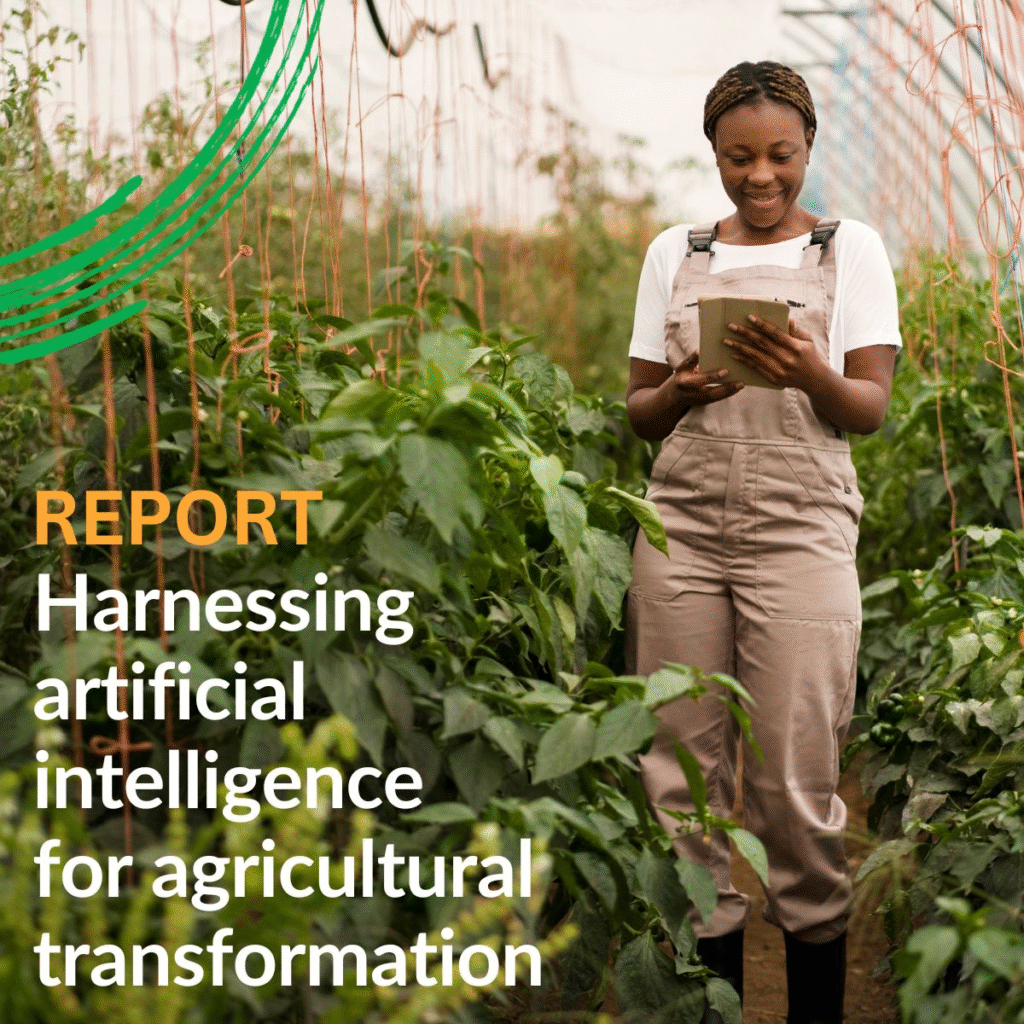
World Bank and Partners Outline AI Development Priorities
The report was developed through collaboration between the World Bank, the Gates Foundation, Microsoft, and several global partners. Together, they mapped out investment priorities that support inclusive and responsible AI adoption.
Policymakers are encouraged to strengthen digital infrastructure and guide innovation to ensure equitable benefits. The roadmap focuses on transparency, accessibility, and long-term sustainability across agricultural sectors.
IRRI’s AI Breakthrough Revolutionizes Genebank Utilization
The International Rice Research Institute achieved a milestone by applying AI to analyze genetic resources stored in the world’s largest rice genebank. This innovation addressed decades-long challenges in germplasm evaluation and selection.
Using computer vision and machine learning, IRRI quickly screens traits from seed images, allowing scientists to categorize accessions more efficiently. This advancement accelerates research while unlocking wider use of conserved genetic materials.
Recommended Article: 2026 Tech Convergence Sparks a Global Shift Toward Autonomous Systems
Machine Learning Accelerates Screening at Unprecedented Scale
In the project’s first year, IRRI screened roughly 60,000 rice accessions—three times more than the previous fifty years combined. This reduction in time and cost marks a turning point for global genebank management.
The complete collection is expected to be analyzed within two years at a fraction of traditional expenses. This model offers a replicable framework that strengthens global efforts to preserve biodiversity and improve crop resilience.
AI-Powered Tools Help Farmers Make Smarter Decisions
Beyond research, AI is advancing agricultural extension through digital decision-support platforms such as Rice Crop Manager. Farmers receive personalized fertilizer and crop management recommendations tailored to local conditions.
These tools incorporate satellite data, soil profiles, and historical performance to improve accuracy. Expanding access across Asia helps smallholder farmers boost yields, reduce waste, and increase long-term profitability.
Generative AI Expands Advisory Services Across Regions
IRRI also contributes to the DynAG platform, which uses generative AI and large language models to provide multilingual farming guidance. The service operates through SMS, mobile apps, and voice chatbots.
Farmers in India and Kenya benefit from localized, real-time support covering rice, wheat, maize, and other essential crops. The initiative strengthens digital inclusion and promotes informed agricultural decision-making.
AI Innovation Signals New Era for Global Agriculture
The World Bank report concludes that AI will drive future breakthroughs in sustainable farming. Continued collaboration among governments, research institutes, and private organizations will determine how effectively this potential is realized.
As countries integrate AI into national strategies, investments in infrastructure, skills, and ethical frameworks will be crucial. The momentum signals a transformative shift toward smarter, more resilient agrifood systems worldwide.