Tourism Slowdown Intensifies After Diplomatic Tensions Deepen Regional Uncertainty
Japan is experiencing a significant decline in Chinese tourist arrivals following recent political statements by Prime Minister Sanae Takaichi regarding China’s Taiwan. These remarks generated backlash across Chinese social media platforms, prompting travelers to postpone or cancel planned visits to major Japanese destinations. Tourism officials warn that continued strain in bilateral relations could extend this downturn across multiple peak travel seasons.
Local governments report weakened visitor traffic in airports, scenic areas and retail districts that previously relied heavily on Chinese spending. Businesses have expressed concern that prolonged diplomatic tension may delay Japan’s broader tourism recovery, especially after pandemic-era losses challenged financial resilience across hospitality and service industries.

Retail and Hospitality Sectors Struggle With Reduced Visitor Purchasing Power
Retailers and luxury brands have observed a noticeable decline in tax-free shopping transactions that historically came from Chinese tourists. Many local shop owners say they cannot compensate for this shortfall because alternative visitor groups purchase fewer premium goods. Department stores and duty-free outlets have started offering aggressive promotions to attract domestic customers but remain unable to close the revenue gap.
The hospitality industry faces similar challenges, with hotel occupancy rates falling sharply in districts that rely on tour groups. Travel agencies note that cancellations have accelerated rapidly since the controversy began, leaving many operators uncertain about projected holiday revenues. Analysts warn that Japan may struggle to maintain growth in accommodation and transport services if political conditions do not improve soon.
Recommended Article: China Expands Industrial Ambitions as Analysts Warn of Global Market…
Airlines and Travel Agencies Face Hardships as Bookings Continue Declining
Airlines operating between Japan and China have reported weaker seat bookings, reducing flight frequencies and adjusting capacity to limit financial losses. Some carriers have begun shifting routes to Southeast Asia, where demand remains steadier despite economic fluctuations in global travel markets. Industry observers believe that restoring full connectivity may take longer than expected due to the fragile diplomatic climate.
Travel agencies that specialize in Chinese group tours face even greater disruption because their operations depend on predictable travel flows. Many companies are now revising business strategies, expanding into alternative Asian markets, and exploring domestic tourism packages. However, these adjustments require time and do not immediately replace revenue previously generated by Chinese visitors.
Local Economies Dependent on Tourism Struggle to Maintain Stability
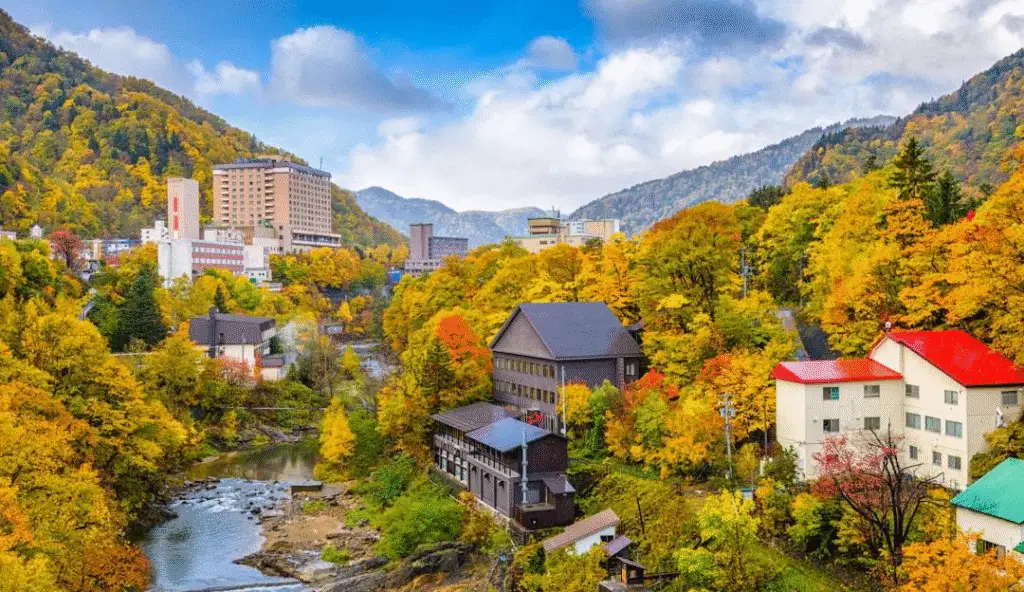
Regional economies such as Hokkaido, Osaka and Fukuoka are particularly vulnerable because they rely heavily on inbound tourism for seasonal income. Shop owners in these areas report that reduced weekend crowds have affected food sales, souvenir purchases and transportation services. Some small businesses are now considering temporary closures to cut operational expenses and slow rising losses.
Officials from local tourism boards emphasize that these regions built infrastructure specifically designed to accommodate large volumes of Chinese travelers. Declines in visitor numbers make it difficult to justify recent investments in transportation systems, commercial centers and hotel developments. Continued contraction may force municipalities to adjust long-term planning and revisit regional tourism strategies.
Government Faces Pressure to Address Diplomatic and Economic Consequences
Economists argue that Japan’s central government must pursue diplomatic solutions to ease tensions with China and stabilize travel demand. Several business groups have urged policymakers to clarify positions on sensitive geopolitical issues to prevent further damage to economic relations. They believe improved communication could help restore confidence among prospective tourists and reduce travel hesitations.
Government ministries are also exploring stimulus programs that could support businesses in tourism-dependent regions. Proposed measures include tax incentives, marketing campaigns and cross-border promotional initiatives aimed at diversifying visitor profiles. However, these policies will require time to implement effectively, and analysts warn that results may not appear immediately.