AI Technology Emerges as a Powerful Tool in Modern Political Strategy
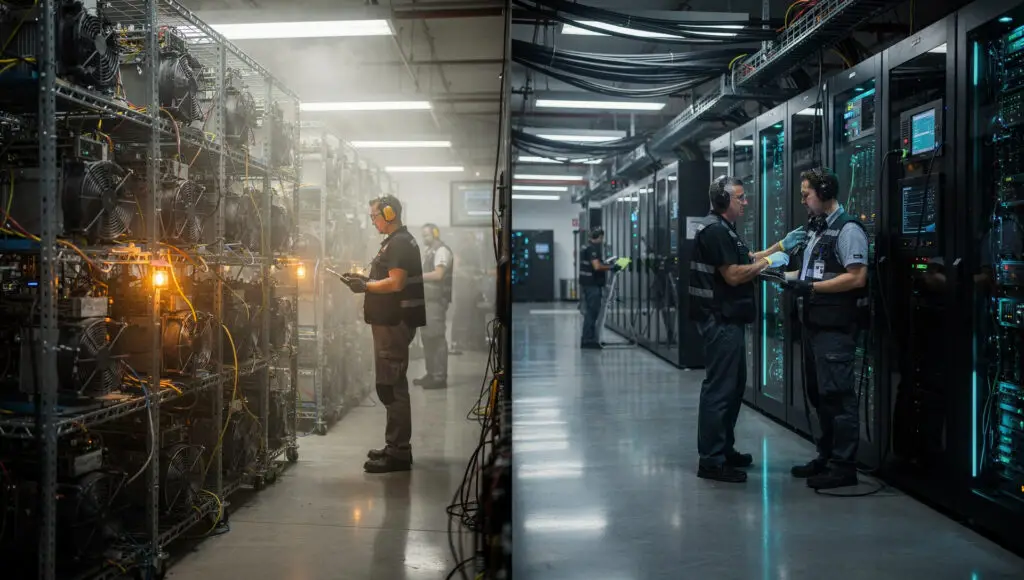
Artificial intelligence is rapidly transforming how political organizations understand voters and evaluate district-level opportunities nationwide. Advanced analytics now reveal behavioral trends that previously required expensive and time-consuming research methods.
The Independent Center embraces these tools to locate districts where independent candidates could succeed despite decades of two-party dominance. Their approach reflects a growing belief that voter dissatisfaction creates opportunities for alternative leadership.
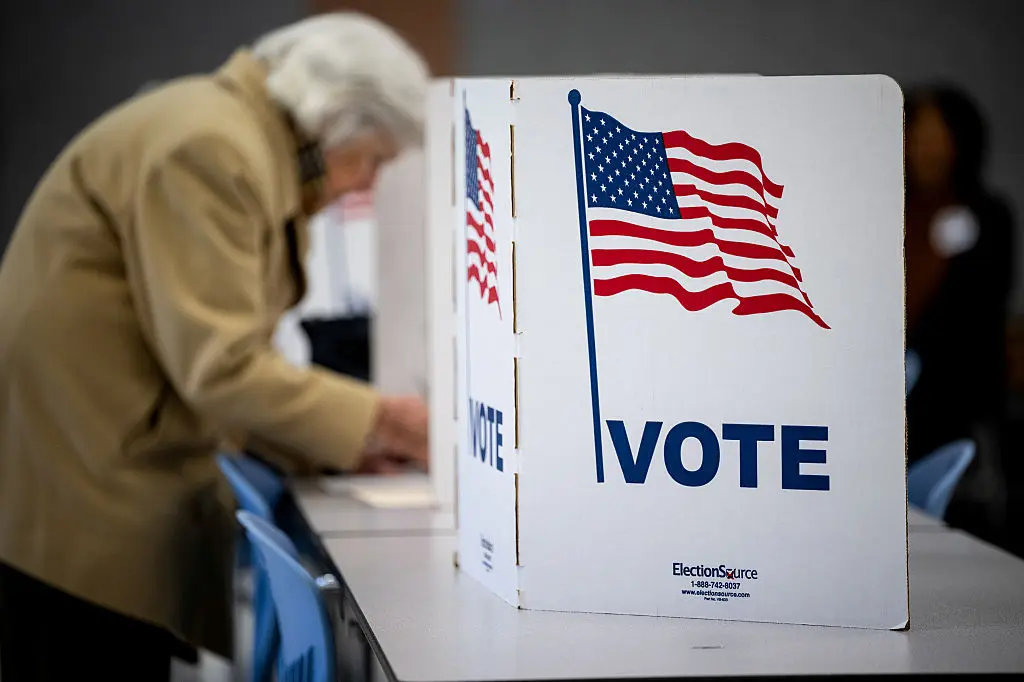
Independent Center Uses AI to Identify Overlooked Congressional Districts
The organization analyzes millions of online posts to understand real-time concerns shaping public opinion across diverse communities. This method allows them to evaluate key demographic segments, including age groups and political identities.
Engagement patterns signal where voters feel unrepresented or disengaged from traditional party politics. Those districts become prime targets for potential independent campaigns supported by data-driven insights.
Younger Voters Become Central to the Push for Independent Candidates
AI modeling shows younger voters increasingly open to candidates outside the traditional party system. These younger groups view independent leadership as a viable response to ongoing partisan conflict.
Strategists believe these voters could significantly influence national outcomes as their share of the electorate rises sharply. Their openness to nontraditional candidates encourages renewed investment in independent political efforts.
Recommended Article: Pope Calls for Global Unity and Responsible Technology Use in Turkey
AI Helps Identify Community Leaders with Strong Local Footprints
The organization uses AI to locate individuals with strong civic engagement who may not actively promote themselves. These potential candidates often serve on school boards or volunteer in community initiatives without seeking public attention.
AI tools detect measurable digital footprints indicating influence and credibility among local residents. This allows strategists to approach respected community members who may be ideal independent candidates.
Real-Time Issue Tracking Provides Insights Beyond Traditional Polling
Traditional polling captures opinions at specific moments, limiting understanding of rapidly shifting voter attitudes. AI systems track ongoing conversations, giving strategists continuous insight into evolving public sentiment.
These tools identify sudden changes driven by breaking news, economic events, or social movements. Their ability to monitor dynamic developments enhances decisions about messaging and candidate placement.
Independent Candidates Challenge Long-Standing Notions of Spoiler Effects
Critics argue independent candidates risk splitting votes and weakening major party contenders. Supporters respond that rising voter dissatisfaction signals meaningful demand for alternatives beyond the established parties.
AI-enabled district analysis indicates that some communities are now competitive for candidates outside the two-party system. This shift suggests independents could win seats rather than simply influence outcomes.
Growing Political Frustration Opens Opportunity for Alternatives
Surveys show unprecedented numbers of Americans identifying as politically independent rather than aligned with major parties. This widespread frustration creates momentum for organizations seeking new voices in Congress.
If independents capture even a few seats, they could disrupt the delicate balance of power in the House. Such outcomes would fundamentally reshape legislative negotiations and national political strategy.