Record Heat Levels Push Earth Beyond Historical Climate Thresholds
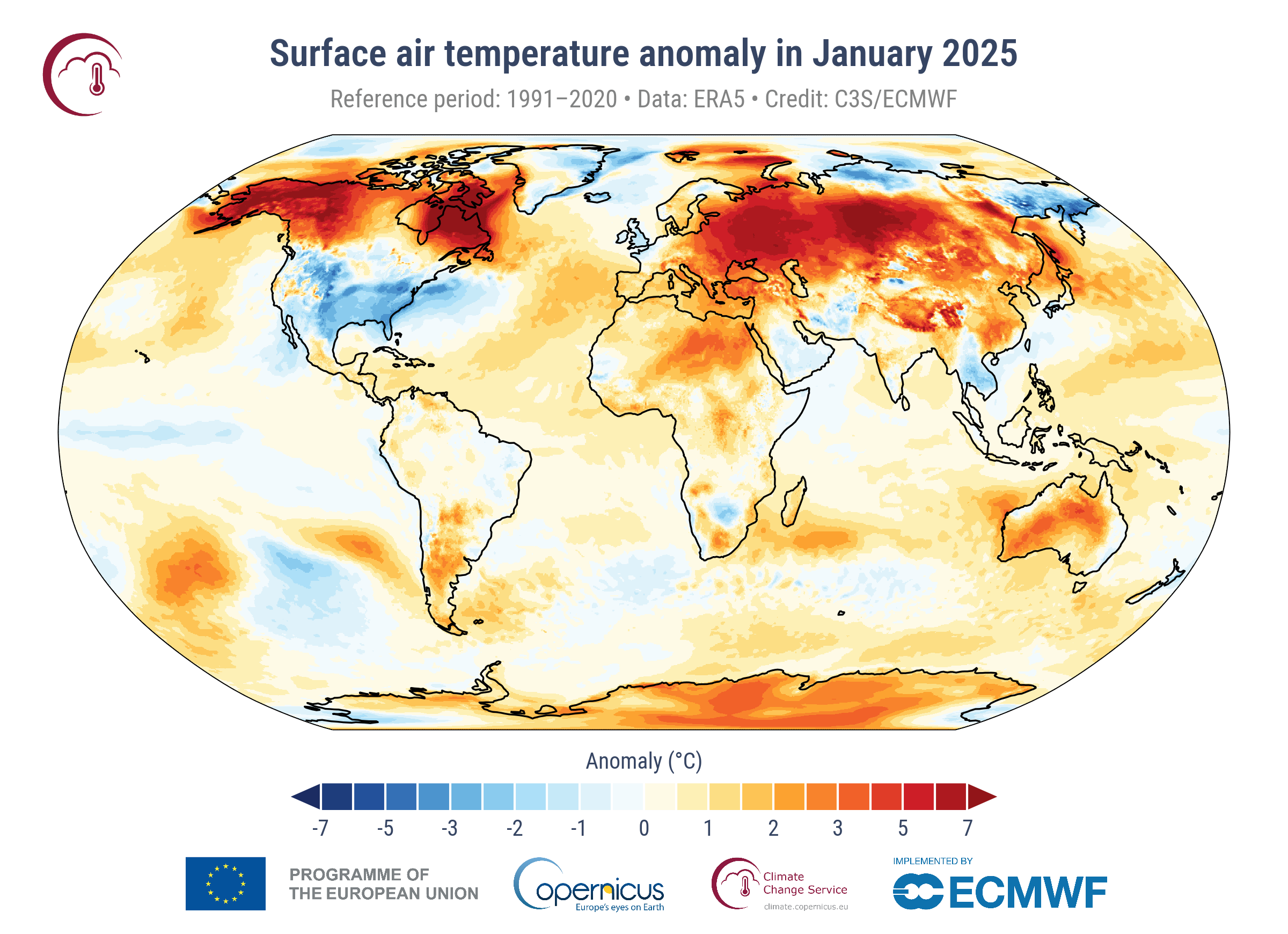
The year 2025 ranked among the warmest ever recorded, extending an unprecedented streak of record-breaking global temperatures worldwide. Climate monitoring agencies confirmed that average global temperatures again exceeded critical pre-industrial benchmarks.
Scientific institutions reported that greenhouse gas concentrations reached historic highs due to fossil fuel use and land degradation. These conditions intensified heat retention, accelerating global warming beyond earlier projections.
Glaciers Collapse as Cryosphere Reaches Dangerous Tipping Points
Glaciers across Europe, South America, and Asia retreated at alarming speeds during 2025, reshaping landscapes permanently. Researchers warned humanity is entering an era described as “peak glacier extinction.”
A deadly glacier collapse in Switzerland illustrated the growing danger, destroying an alpine village overnight. Scientists caution such events will increase as ice stability weakens under persistent warming.
Rising Seas and Extreme Weather Disrupt Global Communities
Sea levels continued rising at accelerating rates, threatening coastal cities and island nations worldwide. Measurements from previous years already showed record annual increases exceeding historical norms.
Meanwhile, intensified storms, floods, and droughts devastated regions from Southeast Asia to the Middle East. These disasters displaced millions and strained emergency response systems across continents.
Recommended Article: United States Bars Former EU Tech Chief Over Social Media…
Political Resolve Falters as Climate Pressures Intensify
Despite mounting environmental warnings, global political responses remained fragmented and inconsistent throughout 2025. Major economies struggled to align climate commitments with domestic economic pressures.
Policy reversals and diluted regulations slowed progress, undermining earlier international agreements. Environmental groups criticized governments for prioritizing short-term political gains over long-term planetary stability.
United States Climate Policy Reversals Reshape Global Momentum
The return of climate skepticism within U.S. leadership marked a significant setback for global cooperation. Withdrawals from international agreements weakened coordinated emissions reduction strategies.
Expanded fossil fuel exports further complicated emission reduction efforts globally. Analysts warned these shifts increased global reliance on carbon-intensive energy sources during a critical decade.
Europe’s Green Deal Faces Internal Political Resistance
European climate ambitions faced resistance as economic concerns challenged environmental regulations. Several policy adjustments diluted enforcement timelines for emissions reduction targets.
Environmental advocates warned that weakening regulations risked undermining Europe’s climate leadership role. The political struggle exposed tensions between economic competitiveness and climate responsibility.
2026 Looms as Climate Risks Demand Urgent Global Action
Climate experts predict 2026 will likely continue the warming trend unless decisive action accelerates rapidly. Scientists emphasize that current trajectories risk surpassing irreversible climate thresholds.
The lessons of 2025 highlight the urgent need for political courage, international coordination, and sustained climate investment. Failure to act decisively could lock future generations into escalating environmental crises.