


Presidential Veto Halts Flood Protection Legislation
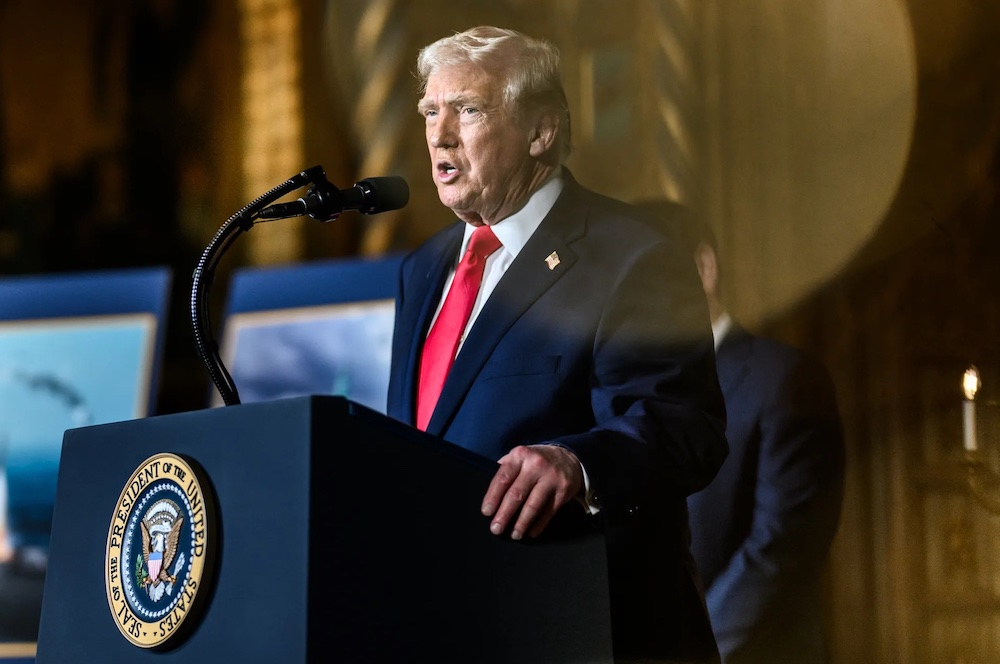
Donald Trump vetoed a bipartisan bill aimed at protecting the Osceola Camp from flooding. The legislation focused on safeguarding a historic Miccosukee community. Lawmakers had approved the bill without opposition. The measure passed both chambers efficiently. Supporters described it as necessary environmental protection. The veto halted planned federal funding. The decision immediately sparked controversy.
The bill sought to amend existing federal land protections. It would have expanded the Miccosukee Reserved Area. Federal agencies were instructed to consult tribal leaders. Flood mitigation measures were central objectives. The Everglades’ fragile ecosystem factored heavily. Lawmakers framed the bill as preservation-focused. The veto abruptly reversed those plans.
Immigration Dispute Shapes Presidential Reasoning
Trump cited immigration disputes as justification for the veto. He referenced the Tribe’s opposition to federal detention efforts. The Osceola Camp sits near controversial detention facilities. The President linked funding to policy alignment. Immigration enforcement became central to his argument. Fiscal responsibility framed the veto publicly. Political tensions overshadowed environmental concerns.
The administration criticized prior federal involvement. Trump described earlier plans as misguided. He blamed the previous administration’s priorities. Funding was characterized as special treatment. Immigration enforcement remained a defining policy issue. The veto message emphasized taxpayer protection. Political alignment became a decisive factor.
Congressional Support Highlighted Bipartisan Intent
The bill originated with strong bipartisan backing. Representative Carlos Giménez sponsored the House legislation. Senator Rick Scott introduced the Senate companion bill. Lawmakers approved it unanimously. Floor statements emphasized cultural preservation. Environmental stewardship framed congressional debate. Legislative unity underscored broad support.
Supporters stressed the Camp’s historical significance. Tribal traditions influenced the legislative narrative. Flood risks threatened permanent displacement. Lawmakers highlighted long-term environmental management. Consultation with the Interior Department was required. The bill avoided partisan conflict intentionally. Congressional consensus proved rare and notable.
Recommended Article: Trump’s Second-Term Immigration Overhaul Redefines U.S. Border Policy Heading Into 2026
Tribal Sovereignty and Cultural Preservation at Stake
Miccosukee Tribe leaders emphasized ancestral land protection. The Osceola Camp holds cultural importance. Tribal members have inhabited the area for generations. Flooding threatens housing and traditions. Preservation extends beyond physical structures. Cultural continuity remained central to advocacy. Sovereignty framed the Tribe’s position.
Leaders argued stewardship benefits the Everglades. The Tribe manages water flow responsibly. Conservation efforts predate federal involvement. Tribal governance protects biodiversity. Cultural knowledge informs land management. Supporters highlighted environmental leadership. The veto raised concerns about tribal autonomy.
Federal Authority Versus Tribal Rights Debate Intensifies
Trump questioned federal responsibility for the Camp. He argued the land lacked proper authorization. Special treatment concerns dominated his critique. Federal funding obligations were rejected. Legal interpretations shaped veto rationale. The debate highlighted jurisdictional tensions. Sovereignty questions resurfaced prominently.
Supporters countered with treaty interpretations. Tribal land claims remain historically complex. Federal consultation responsibilities were emphasized. The veto reopened legal debates. Environmental justice concerns gained attention. Policy consistency was questioned publicly. The dispute exposed unresolved governance issues.
Alligator Alcatraz Lawsuit Influences Context
Earlier litigation influenced the administration’s stance. The Tribe sued over nearby detention construction. Courts temporarily halted development. Appellate rulings later reversed decisions. The lawsuit heightened political friction. Detention policy remained controversial. The veto reflected lingering tensions.
Tribal Chair Talbert Cypress defended ancestral rights. Statements emphasized cultural survival. Legal challenges underscored sovereignty claims. Detention facilities raised environmental concerns. The Everglades’ protection motivated resistance. The lawsuit shaped broader political narratives. Conflict extended beyond the Osceola Camp.
Uncertain Path Forward After Legislative Defeat
The Tribe has not issued a formal response. Congressional leaders await further developments. Alternative legislative strategies remain unclear. Environmental risks persist without federal support. Flood mitigation plans face delays. Political compromise appears distant. Community uncertainty continues.
Future negotiations may revisit protections. Advocacy groups could push renewed legislation. Tribal leaders remain committed to resistance. Federal priorities may shift in 2026. Environmental pressures will intensify. Sovereignty debates remain unresolved. The veto marks a pivotal moment.