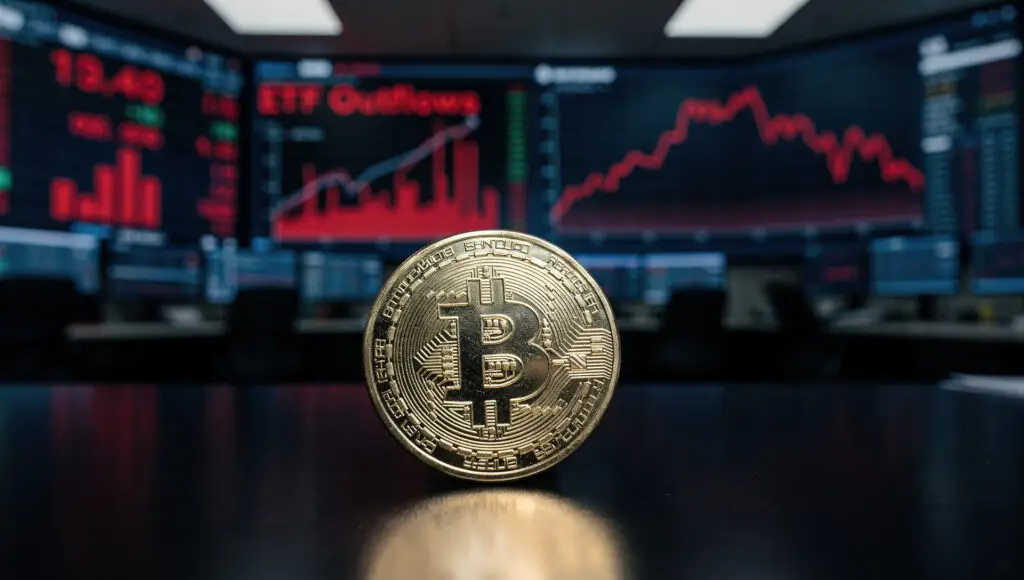


A Political Comeback Few Were Asking For
Elon Musk’s renewed flirtation with politics has landed with a familiar thud. After publicly acknowledging that political involvement “ends badly” for him, the tech billionaire appears to be reversing course. His reemergence alongside President Donald Trump signals not a fresh chapter, but a revival of an alliance that previously generated disruption with few tangible gains.
Musk’s return has been framed casually through social media posts and public appearances, yet the implications are serious. Politics has a way of magnifying Musk’s worst instincts while diluting his strengths as a technologist and entrepreneur.
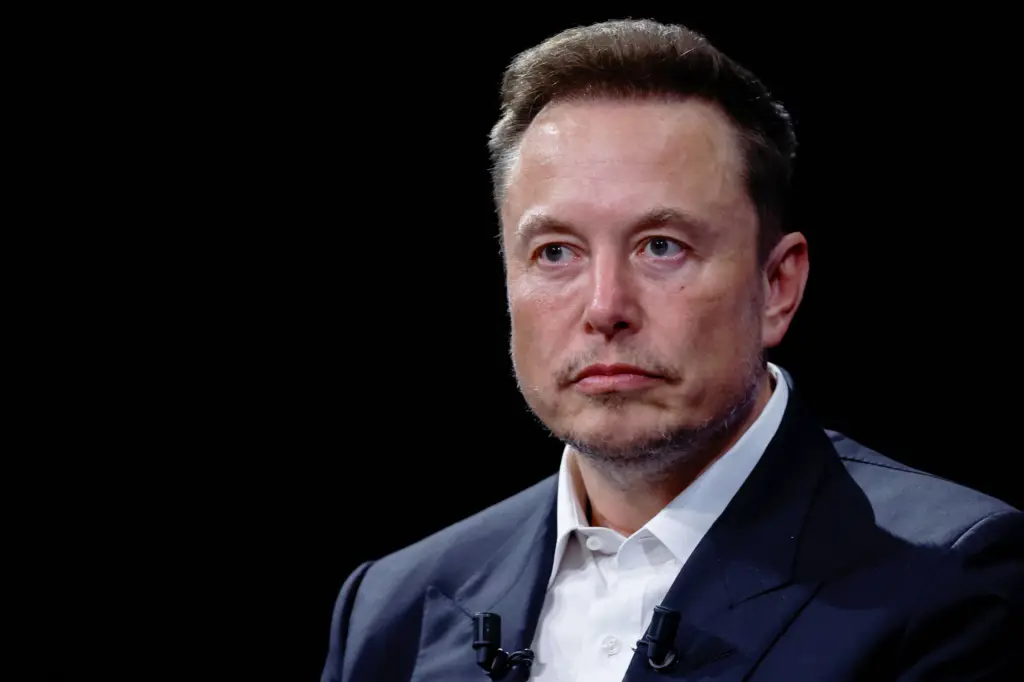
The Aftermath of Musk’s First Political Experiment
Musk’s previous foray into governance left deep scars. His involvement in a self-styled “department of government efficiency” resulted in mass job cuts, dismantled aid programs, and widespread institutional chaos. Independent assessments questioned whether any meaningful savings were achieved, while humanitarian groups warned of devastating long-term consequences.
The backlash extended beyond policy. Musk’s personal brand suffered, with polling placing him among the most disliked global figures. For someone whose influence depends heavily on public trust and consumer goodwill, the reputational damage was significant.
From Feud to Reconciliation With Trump
The renewed partnership is particularly striking given last year’s very public fallout. Musk and Trump traded insults, with Musk floating the idea of a third party and Trump branding him a “train wreck.” Musk’s provocative posts about the Epstein files only deepened the rift.
That animosity now appears to have been quietly buried. A dinner at Mar-a-Lago featuring Musk, Trump, and Melania Trump marked a symbolic reset. The sudden warmth suggests political convenience has once again outweighed principle on both sides.
Recommended Article: How Trump’s Venezuela Intervention Is Fueling Bitcoin’s 2026 Bullish Case
Money, Influence, and the Return to the Fold
Behind the reconciliation lies a familiar motivator: money. Reports indicate Musk has resumed large-scale donations to Republican causes ahead of midterm elections. Public confirmation followed when Musk echoed claims that he was “all-in” on funding conservative candidates.
This shift effectively ends his flirtation with third-party politics. Instead, Musk has returned to a transactional relationship with the Republican establishment, trading financial support for influence and access.
The Brokers Behind the Bromance
Several figures played key roles in reuniting Musk and Trump. The late Charlie Kirk reportedly pushed for reconciliation, with his memorial becoming the pair’s first public reunion. The symbolism was amplified by coordinated messaging framing the moment as one of unity.
Vice President JD Vance also emerged as a behind-the-scenes mediator. With Trump’s long-term political future uncertain, maintaining Musk’s financial backing is strategically valuable for those eyeing succession and influence within the party.
Why Musk’s Political Instincts Keep Failing
Musk’s core problem in politics is misalignment. His appetite for disruption clashes with the slow, compromise-driven nature of governance. What works in startups and engineering cultures often produces instability when applied to public institutions.
Moreover, Musk’s impulsive communication style magnifies controversy. Social media theatrics that energize fans routinely alienate broader audiences, turning political engagement into a reputational liability rather than an asset.
A Familiar Pattern With Predictable Risks
The renewed Trump–Musk alliance feels less like reinvention and more like repetition. Both figures thrive on attention and loyalty-driven politics, yet their partnership previously delivered chaos without clear benefit. There is little evidence this iteration will be different.
Musk’s wealth grants him influence, but it does not confer political wisdom. As he steps back into the arena, the risks extend beyond his own reputation. The combination of unchecked money, polarizing rhetoric, and fragile institutions rarely ends well, and history suggests this reunion may ultimately prove costly for everyone involved.