Trump’s Venezuela Decision Reorders Global Market Thinking
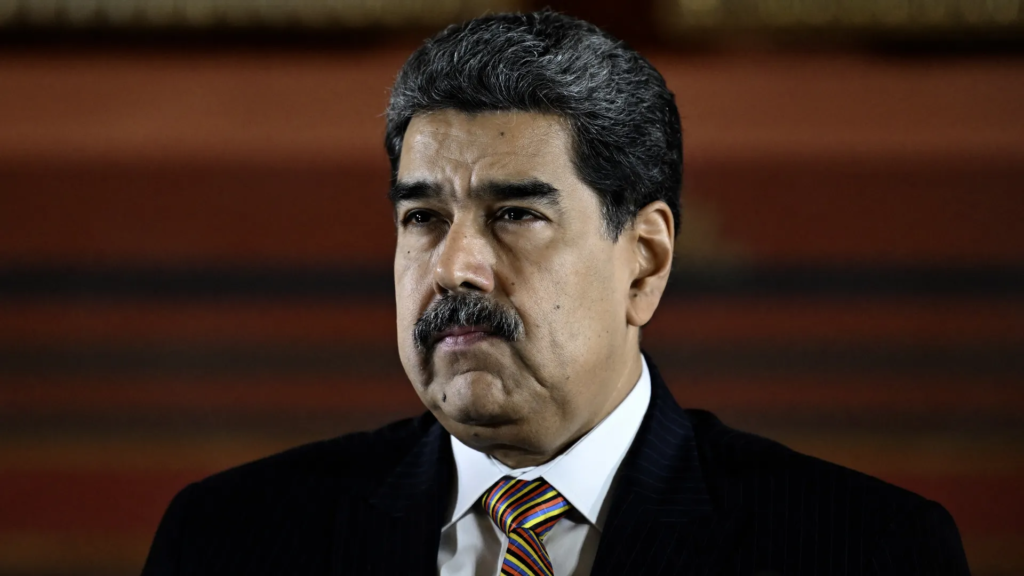
The U.S. operation that resulted in the detention of Venezuelan President Nicolás Maduro has forced investors to reassess geopolitical risk early in 2026. While President Donald Trump portrayed the move as a targeted enforcement action, markets quickly interpreted it as a broader strategic shift. Energy, equities, precious metals, and cryptocurrencies all reacted as traders recalibrated expectations.
Bitcoin’s rapid recovery above the $90,000 level stood out amid the volatility. The move suggested that crypto markets are increasingly intertwined with geopolitical developments, particularly those that influence energy supply and cross-border capital movement.
Oil Prices and the Capital Rotation Narrative
Analysts argue that Maduro’s removal could pressure global oil prices lower by increasing Western influence over Venezuelan energy resources. Expectations of greater supply flexibility have already weighed on crude prices, encouraging a broader risk-on rotation. Lower oil prices often reduce inflationary pressures, freeing capital for growth-oriented and alternative investments.
Digital asset brokerage BlockByte believes this environment could favor cryptocurrencies in 2026. As commodities cool, investors may seek higher upside in assets like Bitcoin that are detached from traditional supply chains and geopolitical choke points.
Bitcoin as a Hedge Against Geopolitical Volatility
Bitcoin’s appeal as a geopolitical hedge continues to strengthen. Unlike oil or equities, Bitcoin operates independently of any single government, central bank, or trade bloc. This structural neutrality makes it attractive during periods of diplomatic confrontation or military escalation.
BlockByte described Bitcoin as protection against short-term volatility and geopolitical fallout. The firm cautioned, however, that market turbulence remains likely as global powers respond to Washington’s actions, particularly if tensions escalate with rival states.
Recommended Article: Venezuelans Face Uncertainty as Trump Administration’s Plans Take Shape
Liquidations Accelerate Bitcoin’s Breakout
Derivatives markets amplified Bitcoin’s post-raid rally. More than $180 million in short positions were liquidated within 24 hours, compared with roughly $75 million in long liquidations. The imbalance indicated that bearish positioning had become overcrowded heading into the event.
Forced short covering pushed Bitcoin decisively higher, reinforcing momentum. Such liquidation-driven rallies often magnify price movements, especially during periods of thin liquidity and heightened news sensitivity.
Venezuela’s Deepening Relationship With Crypto
Venezuela remains one of the world’s highest crypto adoption countries despite its relatively small formal economy. Years of hyperinflation, sanctions, and banking instability pushed citizens toward digital assets for savings and payments. As political uncertainty intensifies, Venezuelans are closely watching crypto markets once again.
According to TRM Labs, crypto serves both civilian and institutional roles within the country. Political disruption could further accelerate reliance on digital assets, particularly stablecoins and Bitcoin, as financial conditions remain fragile.
Stocks and Gold Signal Broader Risk Appetite
Bitcoin’s movements increasingly align with broader risk assets, particularly U.S. equities. Despite uncertainty following the Caracas operation, analysts expect stock markets to continue growing through 2026. Earnings forecasts for the S&P 500 remain robust, supporting investor confidence.
Gold also rallied sharply, climbing nearly 2% to trade above $4,400 per ounce. The simultaneous rise in gold and Bitcoin highlights how investors are diversifying hedges rather than retreating into a single safe haven.
A Modern Rewrite of the Monroe Doctrine
Energy analysts argue Trump’s intervention represents a significant shift in hemispheric power dynamics. By asserting influence over Venezuela, the United States may gain leverage over much of the Western Hemisphere’s oil supply. Observers describe this as a modern reinterpretation of the Monroe Doctrine.
For crypto markets, the implications extend beyond energy. Shifting geopolitical power reinforces interest in decentralized assets that operate outside traditional political frameworks. As 2026 unfolds, Bitcoin’s trajectory may increasingly reflect its role not just as a speculative investment, but as a barometer of global geopolitical realignment.